You’ve finally chosen the perfect paint colour.
You bring home a few sample pots, test them on the wall, watch how the colour changes throughout the day, and feel ready to start painting.
Then someone at the paint store asks one simple question:
“Which finish would you like?”
Suddenly, a decision that seemed straightforward becomes surprisingly complicated.
Flat.
Matte.
Eggshell.
Satin.
Semi-gloss.
Gloss.
They all look similar on a tiny paint sample, yet they can completely change how a room looks, how light reflects across the walls, how easy it is to clean fingerprints, and even how noticeable small imperfections become.
The good news is that choosing the right paint finish isn’t about memorising technical terms.
It’s about understanding how each room is used.
A quiet bedroom has different needs from a busy kitchen. A hallway experiences different wear than a formal dining room. The finish that looks beautiful in one space may become frustrating in another.
This guide takes a room-by-room approach, helping you choose a paint finish that suits the way you actually live rather than simply following general decorating advice.
Before Choosing a Finish, Think About Daily Life
Most people choose paint finishes by looking at labels.
Interior designers usually begin somewhere else.
They think about what happens inside the room.
Does the room receive constant sunlight?
Will children touch the walls every day?
Is moisture part of the environment?
Do you want the walls to quietly disappear into the background, or become part of the design itself?
These questions often matter more than whether the paint can is labelled matte or satin.
Once you understand how the room functions, choosing the finish becomes much easier.
Living Rooms: Balance Beauty With Everyday Practicality
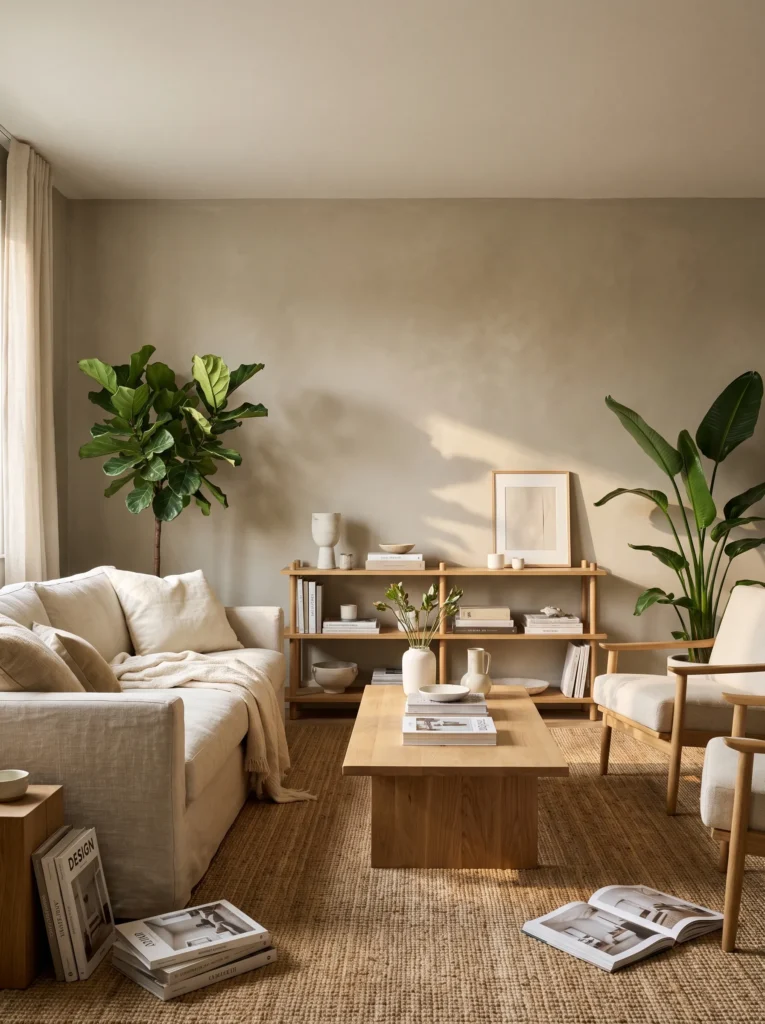
The living room is one of the most versatile spaces in a home.
It’s where family gathers, guests are welcomed, and quiet evenings often end.
Because the walls don’t experience constant moisture or heavy cleaning, this room gives you more flexibility than almost any other.
For most living rooms, eggshell provides an excellent balance.
It has a soft, low-sheen appearance that adds a little warmth without creating noticeable glare. It also handles occasional cleaning better than completely flat finishes, making it a practical choice for everyday living.
If your walls have visible imperfections or you’re aiming for a calm, understated look, matte can also work beautifully.
The best choice depends on whether durability or softness matters more in your space.

Bedrooms: Softness Usually Wins
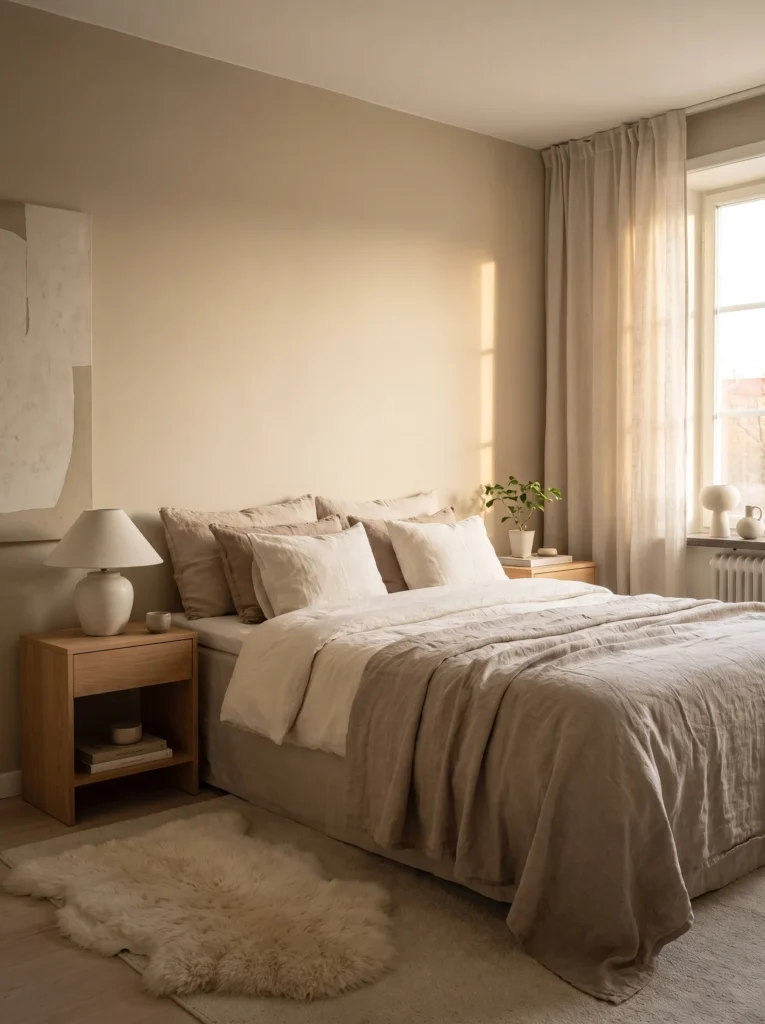
Bedrooms rarely need highly durable paint.
Instead, they benefit from finishes that create a calm atmosphere and soften the way light moves across the walls.
That’s why matte finishes remain one of the most popular choices for bedrooms.
Their low sheen helps minimise surface imperfections while giving walls a gentle, relaxed appearance.
If you have young children and expect frequent fingerprints or marks, an eggshell finish offers a little more washability without dramatically changing the overall look.
The goal isn’t simply clean walls.
It’s creating a room that feels restful from morning until night.

Kitchens: Choose a Finish That Can Handle Real Life
Kitchens place far greater demands on paint than almost any other room.
Steam.
Cooking oils.
Food splashes.
Frequent cleaning.
All of these gradually affect painted surfaces.
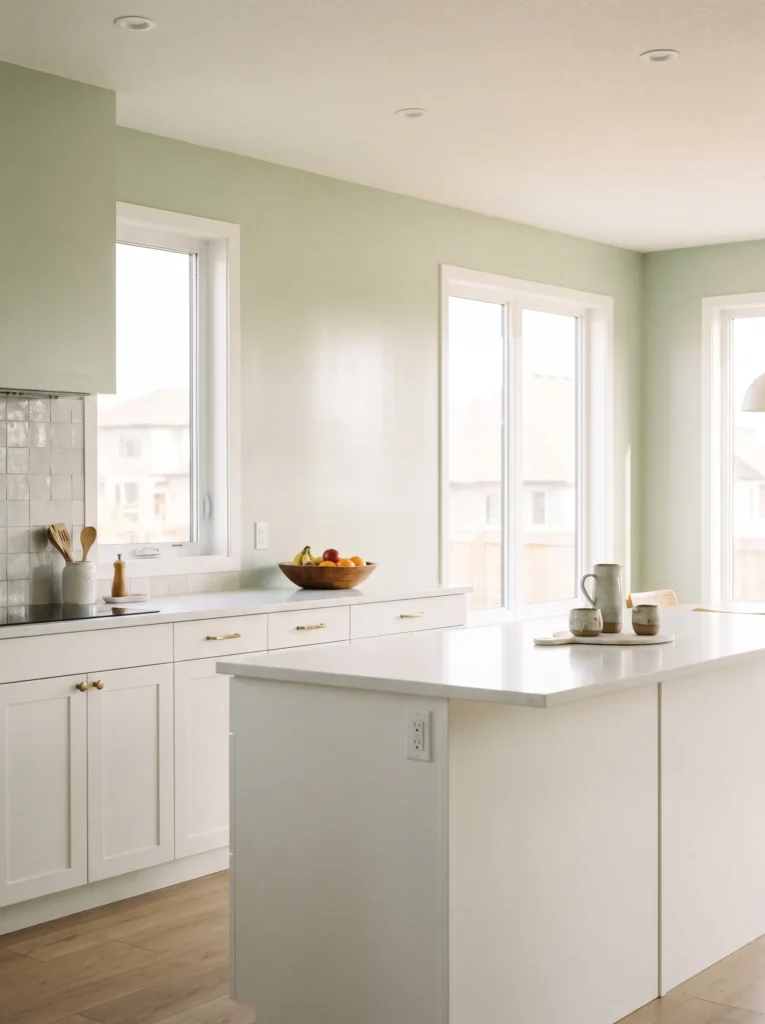
For most kitchens, satin strikes the right balance.
It resists moisture better than flatter finishes while remaining softer and more forgiving than high-gloss paint.
If your kitchen features white kitchen cabinets, choosing the right wall finish becomes even more important because different sheens change the way natural light reflects throughout the room.
Rather than chasing extra shine, aim for a finish that quietly supports the space without becoming the centre of attention.

Bathrooms: Moisture Changes Everything
Bathrooms create a very different environment from the rest of the home.
Daily showers increase humidity, condensation settles on walls, and regular cleaning becomes part of routine maintenance.
A satin finish is often the safest choice for bathroom walls because it provides better moisture resistance while remaining easy to wipe clean.
For ceilings in well-ventilated bathrooms, many homeowners still prefer a flatter finish to reduce glare, although paint specifically formulated for bathrooms can also improve long-term performance.
If you’re planning a complete renovation, your wall finish should complement the proportions of your bathroom vanity, creating a room that feels balanced rather than visually busy.
Hallways, Entryways, and Staircases: Prioritise Durability
Some rooms are simply touched more often than others.
Hallways collect fingerprints.
Children brush against walls with school bags.
Pets occasionally leave muddy marks near entrances.
In these busy transition spaces, eggshell or satin finishes usually perform best.
Both offer better durability than completely flat paints while maintaining a subtle appearance that suits most interiors.
Choosing a slightly more durable finish here often reduces the need for repainting later.
Trim, Doors, and Baseboards Need a Different Finish
Walls and trim don’t have to match.
In fact, they usually shouldn’t.
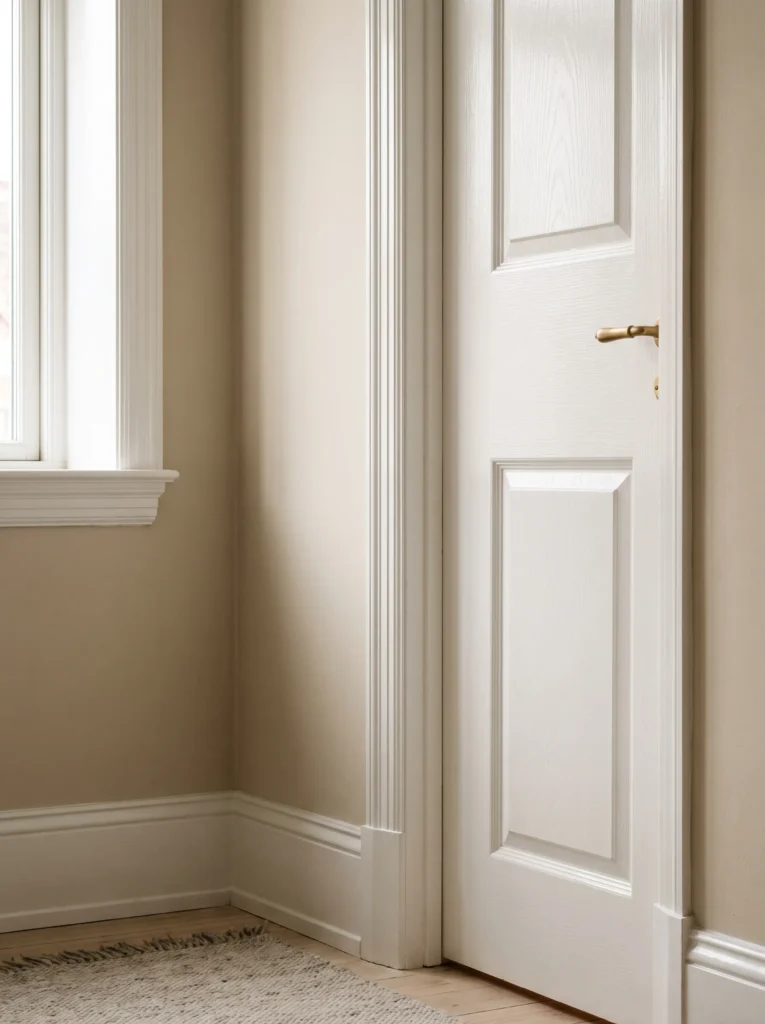
Doors, skirting boards, window frames, and mouldings experience much more contact than walls.
A semi-gloss finish is often the preferred choice because it’s durable, easy to clean, and subtly highlights architectural details.
Used carefully, the slight contrast between matte walls and semi-gloss trim creates depth without making the room feel overly formal.

When Each Paint Finish Makes the Most Sense
By now, you’ve probably noticed that no single paint finish works everywhere.
Each one solves a different problem.
Rather than asking which finish is “best,” think about which one matches the way a room is used.
Choose Flat Paint If…
Flat paint has almost no sheen, making it excellent at hiding small dents, patches, and uneven wall textures.
It’s a smart choice for ceilings and for rooms where the walls won’t need frequent cleaning.
If your home has older plaster walls or surfaces with visible imperfections, flat paint can create a softer, more forgiving appearance.
Keep in mind that it isn’t the easiest finish to wipe clean, so it’s usually better suited to lower-traffic spaces.
Choose Matte Paint If…
Matte paint has become increasingly popular because it combines a sophisticated appearance with better durability than traditional flat paint.
It works beautifully in bedrooms, home offices, formal dining rooms, and adult living spaces where you want the walls to feel calm rather than reflective.
If your decorating style leans toward warm neutrals, layered textures, or minimalist interiors, matte paint often enhances those elements without competing for attention.
Choose Eggshell If…
If you only remembered one finish from this guide, eggshell would probably be the safest recommendation for most homes.
It offers just enough sheen to make cleaning easier while still maintaining a soft, elegant look.
That’s why interior designers frequently use it in living rooms, dining rooms, hallways, and family spaces.
For many homeowners, eggshell becomes the perfect middle ground between beauty and practicality.
Choose Satin If…
Satin is designed for rooms that work hard.
Its smooth finish makes it easier to clean while standing up well to moisture and everyday wear.
That makes it an excellent choice for kitchens, bathrooms, laundry rooms, children’s bedrooms, and busy hallways.
When you’re painting spaces that experience frequent activity, satin often provides the best long-term balance.
Choose Semi-Gloss or Gloss If…
High-sheen paints have their place—but usually not across entire walls.
Instead, they’re best reserved for doors, trim, built-in cabinetry, and architectural details that benefit from extra durability.
Because these finishes reflect much more light, they also highlight imperfections more easily.
Used selectively, they create subtle contrast and help details stand out without overwhelming the room.
A Quick Room-by-Room Reference
Sometimes the simplest answer is the most useful.
Use this table as a starting point before choosing your paint.
| Room | Recommended Finish |
|---|---|
| Living Room | Eggshell or Matte |
| Bedroom | Matte |
| Kitchen | Satin |
| Bathroom | Satin |
| Hallway | Eggshell or Satin |
| Dining Room | Eggshell |
| Home Office | Matte |
| Ceiling | Flat |
| Trim & Doors | Semi-Gloss |
Remember, these aren’t strict rules.
Natural light, family lifestyle, wall condition, and personal preference can all influence the final decision.

Mistakes That Can Make Even Expensive Paint Look Disappointing
Buying premium paint doesn’t automatically guarantee beautiful results.
Often, it’s the finish—not the colour—that determines how successful the room feels once the project is complete.
Using High Gloss on Every Surface
A glossy finish might seem easier to clean, but too much shine can make walls feel harsh and draw attention to every small imperfection.
Reserve glossier finishes for trim, doors, and other architectural details instead.
Choosing One Finish for the Entire House
Every room has different demands.
Using exactly the same finish throughout the home may simplify shopping, but it rarely produces the best results.
Adapting the finish to each room creates a home that not only looks better but also performs better over time.
Forgetting About Natural Light
Paint finishes don’t look the same in every room.
A satin finish in a bright, south-facing kitchen may appear much shinier than the same paint in a shaded hallway.
Always test samples at different times of the day before making a final decision.
Focusing Only on Colour
Most homeowners spend weeks choosing paint colours but only minutes choosing the finish.
Yet the finish determines how that colour behaves once it’s on the wall.
It affects reflections, texture, depth, and even how clean the room appears.
Treat the finish as an equally important design decision—not just an option on the paint can.
It’s the Finish You Notice Last—But Appreciate the Longest
The best paint finish isn’t necessarily the one with the most shine or the highest price tag.
It’s the one that quietly supports the way you live.
When a finish suits the room, you rarely think about it. The walls are easier to maintain, light feels more balanced, and the space simply works the way it should.
Take a little extra time before choosing.
A small decision made today can influence how your home looks and feels for years to come.
Before You Open the Paint Can
Choosing a paint finish is one of those decisions that’s easy to overlook, yet it shapes how your home looks and functions every day.
Before committing to a finish, buy a small sample and test it on the wall you’re planning to paint. Watch how it looks in the morning, afternoon, and evening, and notice how it responds to both natural and artificial light.
A finish that looks perfect on a tiny paint chip can feel completely different once it covers an entire wall.
Taking this extra step can save you from repainting later—and help you choose a finish you’ll be happy living with for years.