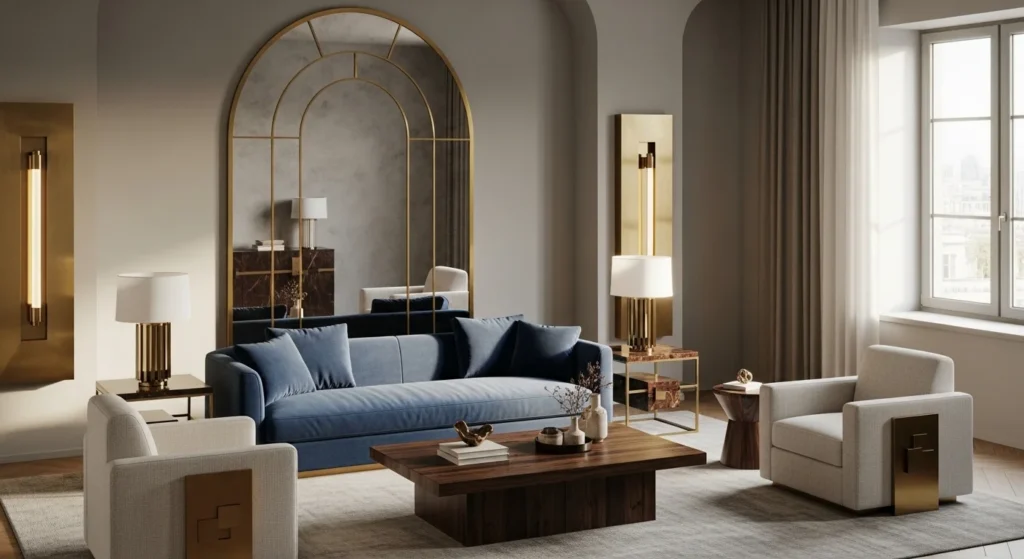
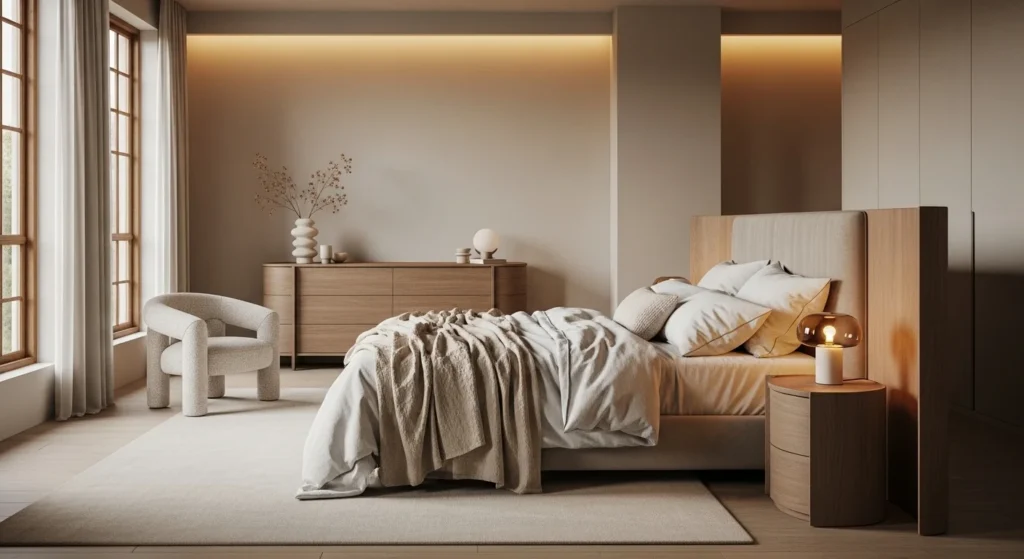
Quiet luxury has become one of the most influential interior design styles in recent years, but its appeal goes far beyond changing trends. Rather than relying on bold statement pieces or recognizable designer labels, it focuses on creating spaces that feel comfortable, balanced, and thoughtfully curated. The result is a home that feels welcoming the moment you step inside—one where every material, finish, and furnishing has been chosen with intention.
What makes this approach especially appealing is that it isn’t defined by a particular price point. A beautifully crafted oak side table, a set of linen curtains, or carefully layered lighting can have far more impact than filling a room with expensive décor that competes for attention. Quiet luxury is less about buying more and more about choosing pieces that age gracefully and continue to look beautiful for years.
If you’re drawn to interiors that feel calm, timeless, and effortlessly refined, these decorating principles offer a practical place to begin. Whether you’re refreshing a single room or slowly updating your entire home, these ideas will help you create spaces that feel elevated without feeling overdesigned.
Before You Begin: Understanding the Principles of Quiet Luxury
One of the biggest misconceptions about quiet luxury is that it requires a substantial decorating budget. In reality, the style is built on thoughtful decisions rather than expensive purchases. It values craftsmanship over trends, natural materials over synthetic finishes, and timeless design over seasonal collections.
Unlike highly decorative styles that rely on bold patterns and dramatic contrasts, quiet luxury creates interest through texture, proportion, and subtle details. Linen curtains moving gently with natural light, solid wood furniture that develops character over time, handcrafted ceramics, and soft layered lighting all contribute to a home that feels relaxed without appearing unfinished.
Another defining characteristic is restraint. Every piece has a purpose, and every room leaves space for the eye to rest. Rather than filling shelves or countertops with decorative accessories, the focus is on displaying fewer objects that carry more visual impact.
his approach also makes decorating easier over time. Because the foundation relies on classic materials and neutral tones, individual pieces can be updated gradually without redesigning the entire room. It’s a style that evolves naturally with your home instead of chasing what’s popular each season.
The eight ideas below reflect these principles and show how small, intentional choices can completely change the atmosphere of a space.
The Three Rules Designers Rarely Break
Quiet luxury isn’t built by following every decorating trend. Instead, professional designers rely on a few timeless principles that make a room feel elegant without trying too hard.
The first is to choose fewer pieces but make each one count. A single well-crafted wooden coffee table or a beautiful linen sofa often creates more impact than filling a room with decorative accessories.
The second is to layer textures instead of bold patterns. Linen, wool, stone, wood, leather, and ceramics naturally create visual interest while keeping the room calm and cohesive.
Finally, don’t underestimate the power of empty space. Leaving breathing room around furniture and decor allows each piece to be appreciated, giving the home the effortless feeling that defines quiet luxury.
Quiet Luxury Isn’t the Same as Expensive Decorating
One of the biggest misconceptions about quiet luxury is that it requires an unlimited decorating budget. In reality, the style is less about how much something costs and more about why it was chosen.
An expensive room can still feel cluttered if every corner competes for attention. Quiet luxury takes the opposite approach by focusing on thoughtful editing, timeless materials, and pieces that continue looking beautiful year after year. Instead of replacing furniture every season, the goal is to invest gradually in items that age gracefully and work together naturally.
When decorating with this mindset, quality becomes more important than quantity, making the finished space feel both refined and genuinely lived in.
1. Choose Linen Over Polyester for a Softer, More Natural Look
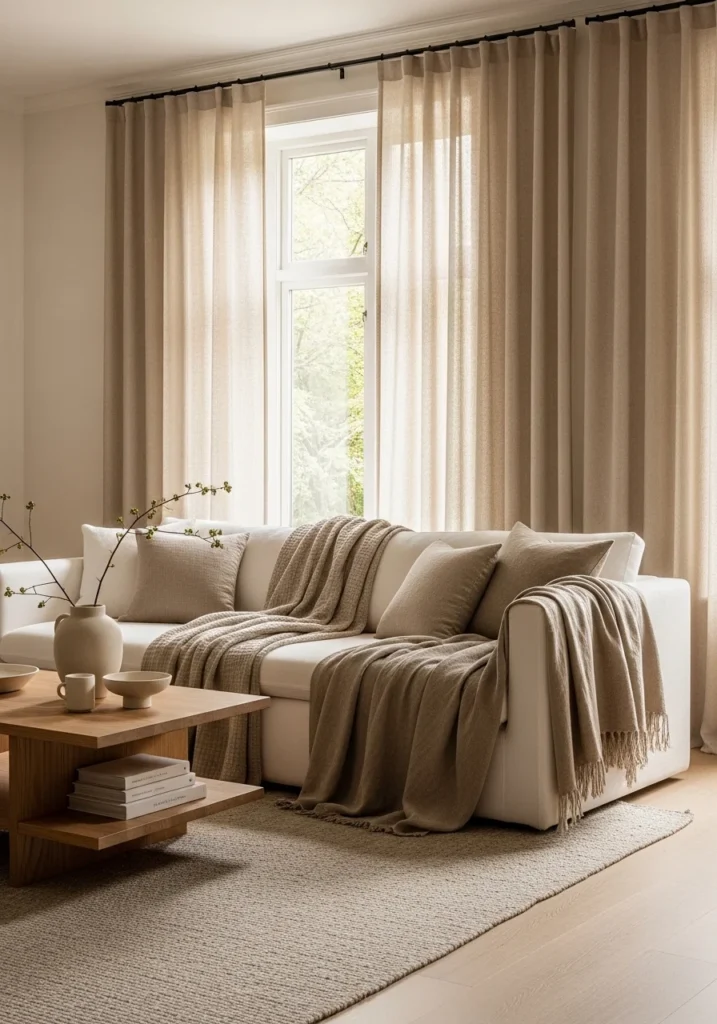
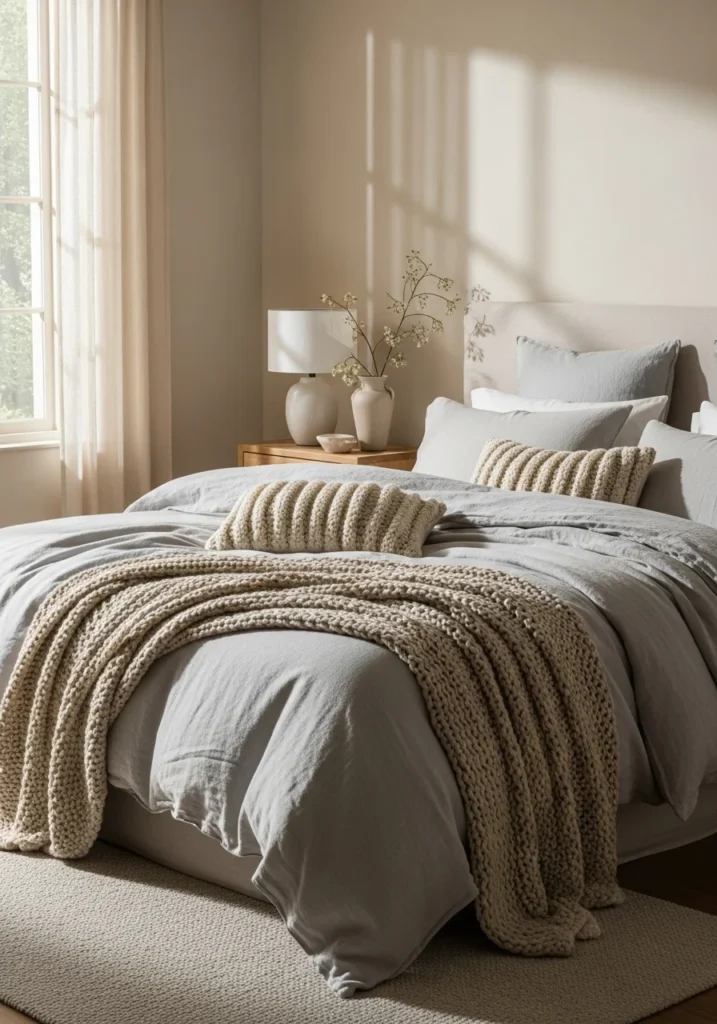
Few materials capture the essence of quiet luxury as effortlessly as linen. Its relaxed texture, gentle drape, and natural fibers create an understated elegance that synthetic fabrics often struggle to replicate. Rather than appearing perfectly pressed, linen develops a lived-in softness that gives a room warmth and character.
Swapping polyester curtains, bedding, or table linens for linen instantly changes the way a space feels. Natural fibers soften incoming light, create subtle movement near windows, and introduce texture without relying on bold patterns or bright colors. Even a single linen throw folded across the end of a bed can make the room feel more layered and inviting.
One of the reasons designers return to linen so often is its versatility. It works equally well in modern homes, traditional interiors, coastal spaces, and transitional designs because its beauty comes from simplicity rather than decoration. Pair it with warm woods, matte ceramics, woven baskets, or natural stone to create an interior that feels cohesive and timeless.
If pure linen isn’t within your budget, high-quality linen blends or linen-look fabrics can achieve a similar effect while remaining more affordable. Focus on neutral shades such as ivory, oatmeal, flax, or soft stone, which complement a wide variety of decorating styles and continue to feel elegant year after year.
Budget Alternative: Pre-washed linen blends and quality linen-look curtains provide a similar appearance at a more accessible price point, making them an excellent starting place when refreshing a room.

2. Introduce Bouclé as a Layer of Texture, Not a Trend
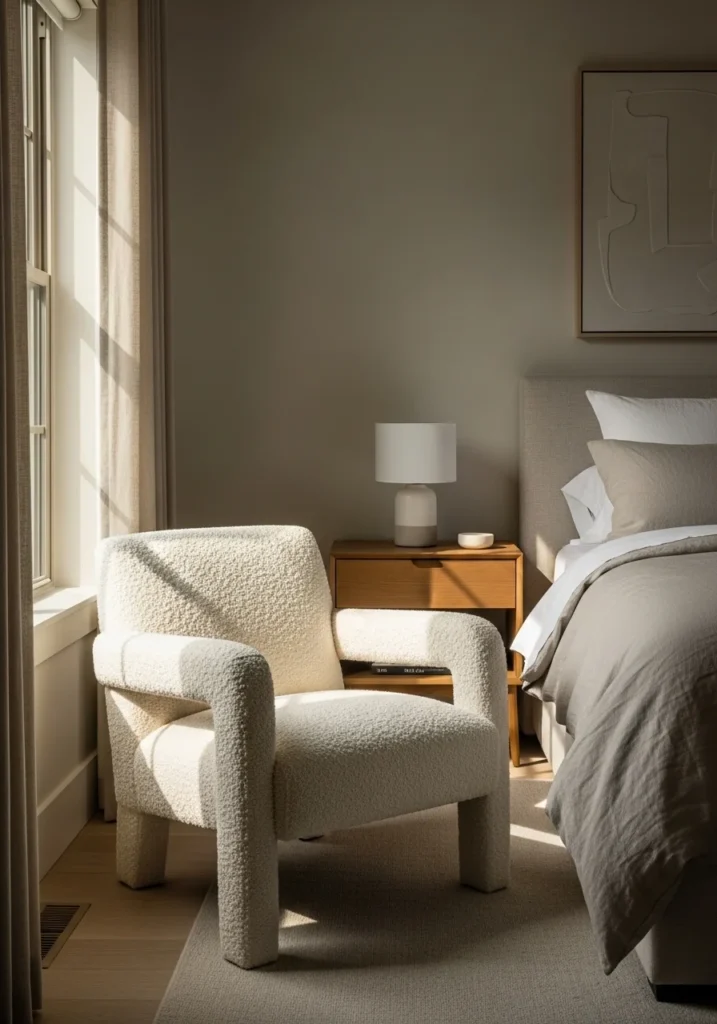
Bouclé has become one of the defining fabrics of contemporary interiors, but its lasting appeal comes from more than its popularity. The looped texture adds warmth and visual depth while maintaining the quiet, understated character that defines luxurious spaces.
Unlike velvet, which naturally creates a more formal and dramatic atmosphere, bouclé feels relaxed and approachable. It reflects light softly, making furniture appear inviting rather than overly polished. An accent chair, ottoman, or bench upholstered in bouclé can become a focal point without dominating the room.
Texture plays an important role in quiet luxury because it replaces the need for busy patterns. When paired with linen, natural wood, wool rugs, and matte finishes, bouclé contributes to an interior that feels rich through its materials rather than its color palette.
As with any popular finish, moderation is important. Introducing the fabric in one or two pieces creates balance while allowing other natural textures to complement it throughout the room.
Budget Alternative: Bouclé-inspired upholstery, accent pillows, and benches are now widely available at mid-range retailers, offering the same inviting texture without the investment required for custom furniture.
Shop this minimalist bouclé tufted accent chair (Paid Link)

3. Use Warm Whites Instead of Crisp Bright Whites
Wall color quietly shapes the mood of a room long before you notice the furniture or décor. In quiet luxury interiors, warm whites are often preferred because they create a softer, more welcoming backdrop that allows natural materials to stand out.
Unlike bright, cool whites—which can sometimes feel stark depending on the lighting—warm whites have subtle cream, beige, or greige undertones that make a space feel comfortable throughout the day. They also complement natural wood, stone, linen, and woven textures far better than cooler shades, helping every element feel connected.
The finish is just as important as the color itself. A soft matte or eggshell finish diffuses light gently, creating a calm atmosphere while reducing glare on the walls. This understated finish also enhances architectural details without drawing unnecessary attention to them.
Before painting an entire room, test a few samples on different walls and observe them throughout the day. Morning sunlight, afternoon brightness, and evening lamplight can dramatically change how a color appears.
Budget Alternative: Many paint brands offer beautiful warm white shades at affordable prices. A fresh coat of paint remains one of the most cost-effective ways to transform an entire room while creating a timeless foundation for future decorating.

4. Let Natural Wood Bring Warmth and Character
Wood has always been one of the defining materials in timeless interiors. Rather than chasing trendy finishes that come and go, quiet luxury embraces natural wood for the warmth, texture, and authenticity it brings to a space.
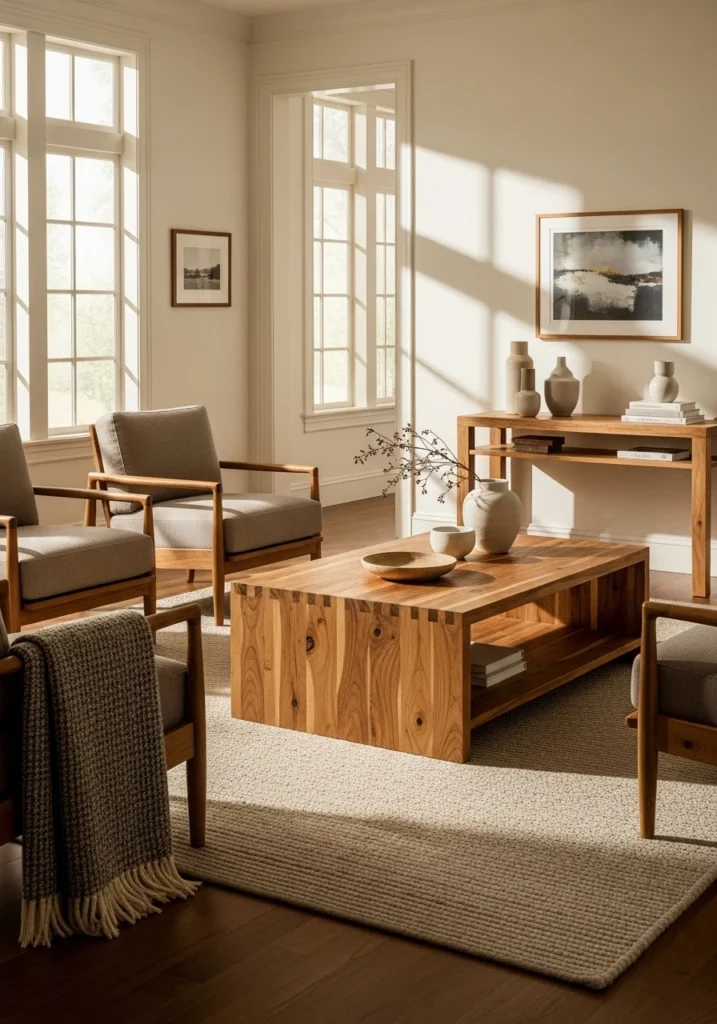
Whether it’s a solid oak dining table, a walnut coffee table, or a simple ash wood console, natural grain introduces subtle variation that manufactured finishes often can’t replicate. Each piece develops character over time, making the home feel more personal rather than perfectly staged.
Mixing wood tones is also perfectly acceptable when done thoughtfully. Instead of trying to match every finish exactly, aim for a balanced palette with similar undertones. Pairing medium oak with walnut or lighter ash creates depth while keeping the room visually harmonious.
This approach works especially well when balanced with soft textiles, matte finishes, and neutral upholstery. Together, these materials create an environment that feels refined without appearing overly formal.
Budget Alternative: Vintage furniture, estate sales, and quality wood veneer pieces often provide excellent value. A well-made secondhand table or cabinet can bring far more character to a room than buying multiple inexpensive trend-driven pieces.

5. Build Interest by Layering Texture Instead of Pattern
One of the easiest ways to recognize a quiet luxury interior is by the way it feels rather than the colors it uses. Instead of relying on bold prints or dramatic patterns, these spaces create depth through carefully layered textures.
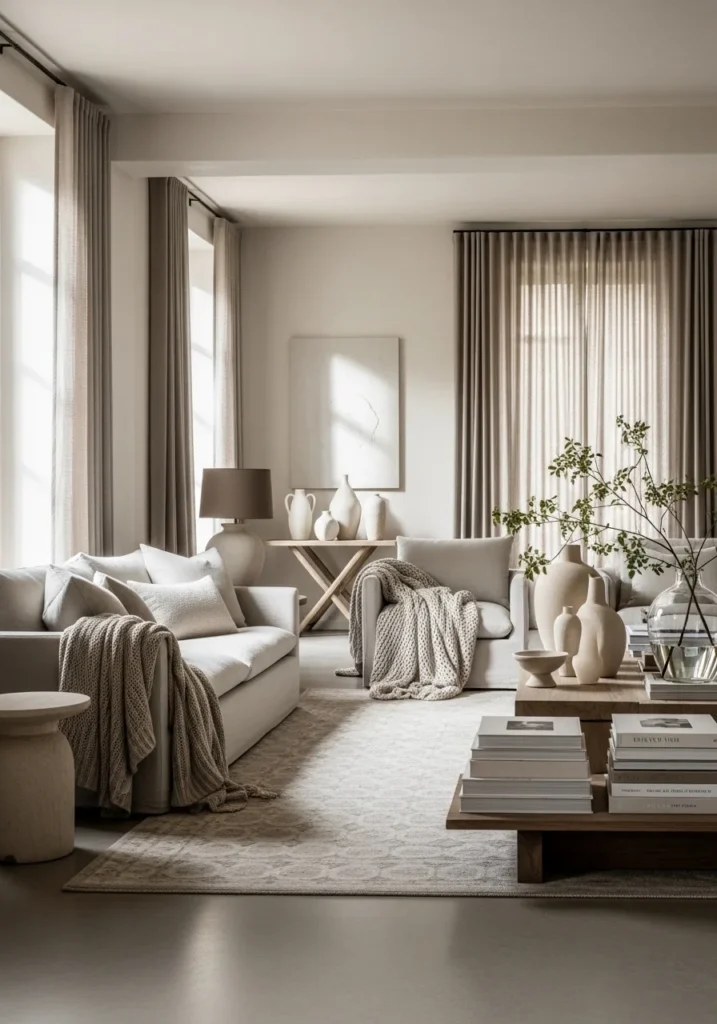
Imagine a living room with linen curtains, a wool area rug, a bouclé accent chair, a ceramic table lamp, and a solid oak coffee table. Individually, each element is understated. Together, they create a rich and inviting space because every material contributes something slightly different.
This layered approach keeps neutral color palettes from feeling flat. Soft fabrics balance harder materials like wood and stone, while woven baskets, natural fibers, and handcrafted accessories introduce warmth without overwhelming the room.
The key is variety, not quantity. Adding too many decorative pieces can distract from the simplicity that defines quiet luxury. Instead, focus on combining a handful of quality materials that complement one another and allow each texture to be appreciated.
When decorating, try thinking in layers rather than individual objects. The result is a home that feels collected over time instead of purchased all at once.
Budget Alternative: Refresh an existing room by introducing textured throw blankets, woven baskets, linen cushion covers, or handmade ceramic accessories. Small changes in material often have a greater impact than replacing large pieces of furniture.

6. Choose Matte Finishes That Allow Materials to Shine
One of the easiest ways to create a more refined interior is by reducing unnecessary shine. While glossy finishes can sometimes feel dramatic, they also reflect more light and tend to highlight fingerprints, dust, and everyday wear. Quiet luxury takes a different approach by allowing the beauty of the materials themselves to become the focus.
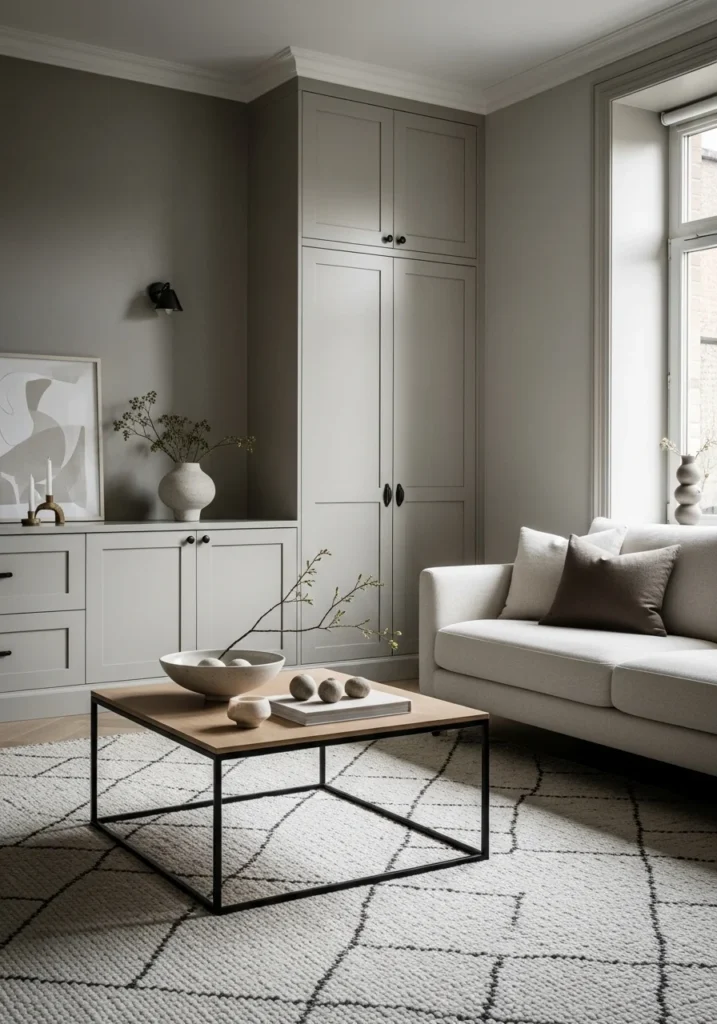
Matte paint, brushed hardware, honed stone, and softly finished cabinetry create a gentler visual experience. Instead of demanding attention, they contribute to an atmosphere that feels calm, balanced, and effortlessly sophisticated.
This doesn’t mean every surface should be matte. A carefully placed glass vase, polished marble accent, or antique brass detail can introduce contrast, but those reflective elements work best when surrounded by softer finishes.
When selecting new fixtures or updating existing furniture, consider how the finish interacts with the rest of the room rather than viewing each piece in isolation. Consistency across hardware, lighting, and accessories helps create the quiet cohesion that defines this decorating style.
Budget Alternative: Swapping cabinet hardware, repainting furniture with a quality matte finish, or replacing glossy accessories with more natural materials can make a noticeable difference without requiring a full renovation.

7. Add Architectural Details That Feel Original to the Home
Beautiful homes rarely rely on furniture alone. Often, it’s the architectural details that give a room its lasting sense of character.
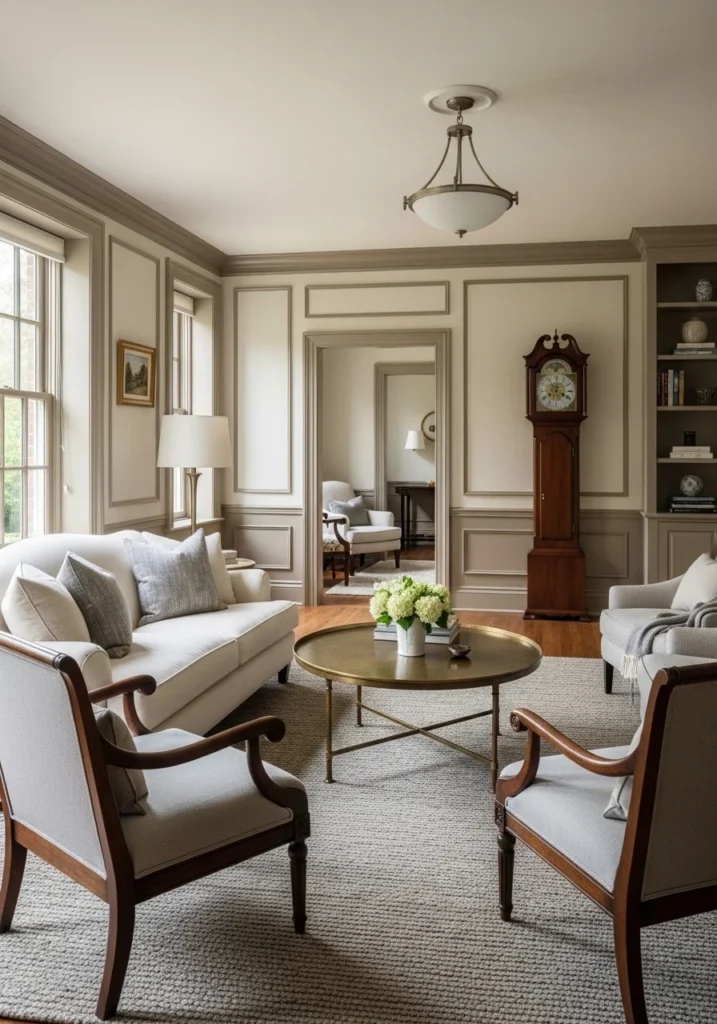
Features such as wall molding, picture rails, paneling, deeper baseboards, or decorative trim introduce subtle structure while making even simple spaces feel more thoughtfully designed. These details create visual interest before a single piece of furniture is added, allowing the room to feel complete without relying on excessive decoration.
If you live in a newer home, adding architectural interest doesn’t have to become an expensive renovation. Simple molding projects, trim kits, or peel-and-stick wall panels can introduce depth while respecting your home’s existing style.
The goal isn’t to recreate a historic house overnight. Instead, focus on details that look like they could have always belonged there. When architectural elements feel authentic to the space, the entire room gains a quiet confidence that’s difficult to achieve with décor alone.

8. Layer Warm Lighting Instead of Relying on One Bright Fixture
Lighting is often the finishing element that determines how every other design choice is experienced. Beautiful furniture, quality fabrics, and carefully chosen colors can lose much of their impact if they’re illuminated by a single bright ceiling fixture.
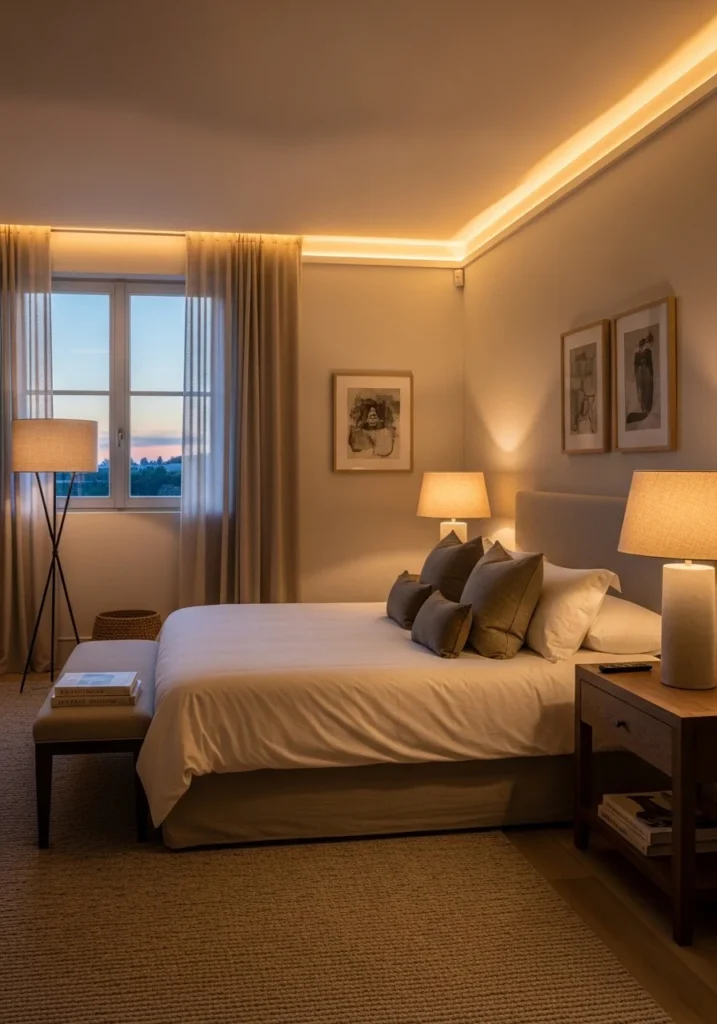
Quiet luxury interiors almost always use layered lighting. Ambient lighting provides overall illumination, task lighting supports everyday activities, and accent lighting highlights artwork, shelving, or architectural features. Together, these layers create depth and make a room feel comfortable from morning through evening.
Warm LED bulbs, fabric lampshades, wall sconces, and table lamps all contribute to a softer atmosphere than cool-toned overhead lighting alone. They also allow you to adjust the mood throughout the day, making the space equally suited for entertaining, reading, or simply relaxing.
Rather than trying to brighten every corner equally, embrace gentle pools of light that create warmth and dimension. The result is a home that feels inviting, lived-in, and effortlessly elegant.
Budget Alternative: Replacing cool bulbs with warm LEDs and adding one or two table lamps is often enough to completely change the atmosphere of a room without requiring any electrical work.

Common Mistakes That Disrupt the Quiet Luxury Look
Creating a home that feels quietly luxurious isn’t about following strict decorating rules—it’s often about knowing when to stop. A few thoughtful choices usually have more impact than filling a room with expensive accessories.
Here are some of the most common mistakes to avoid:
- Buying everything at once. Homes with character evolve gradually. Mixing older favorites with carefully chosen new pieces creates a more authentic and collected look.
- Decorating every surface. Empty space is an important part of good design. Leaving room between decorative objects allows quality materials and furniture to stand out.
- Using too many trendy finishes. Interior trends change quickly, but timeless materials like wood, linen, stone, and wool remain beautiful for decades.
- Ignoring comfort. Quiet luxury should feel as inviting as it looks. Comfortable seating, soft fabrics, and practical layouts are just as important as appearance.
- Matching everything perfectly. A home feels more natural when finishes, textures, and furniture complement one another without looking identical. Small variations create warmth and personality.
Keeping these principles in mind helps create interiors that remain elegant long after seasonal decorating trends have come and gone.
A Quick Quiet Luxury Checklist
Before bringing a new piece into your home, pause for a moment and ask yourself a few simple questions.
✔ Will this still look beautiful five years from now?
✔ Does it complement the colors and materials I already own?
✔ Is it made from natural or high-quality materials whenever possible?
✔ Does it improve the room instead of simply filling empty space?
If you can answer “yes” to most of these questions, you’re far more likely to create a home that feels timeless rather than trend-driven.
Materials That Instantly Elevate a Room
If there’s one shortcut to creating a quietly luxurious home, it’s choosing authentic materials whenever possible. Natural textures add depth and character that synthetic finishes often struggle to replicate.
Look for materials such as linen, cotton, wool, oak, walnut, marble, travertine, handmade ceramics, woven rattan, brushed brass, and natural stone. You don’t need to use every material in one room. Even introducing one or two genuine finishes can make the entire space feel richer, warmer, and more sophisticated.
Rather than following trends, these materials develop character over time, helping your home feel more personal with every passing year.
How to Keep Quiet Luxury Looking Beautiful
One reason quiet luxury feels so timeless is that it celebrates materials designed to last. A little regular care helps preserve that effortless appearance.
Wash linen and cotton textiles according to their care labels, dust wood and stone surfaces regularly, rotate cushions to encourage even wear, and avoid overcrowding shelves with decorative accessories. As your style evolves, remove pieces that no longer serve a purpose instead of continually adding new ones.
A thoughtfully maintained room often feels more luxurious than one filled with expensive but neglected furniture.
If You’re New to Quiet Luxury, Start Here
Transforming your home doesn’t have to happen all at once. In fact, the most beautiful interiors usually evolve gradually.
Choose one room that feels ready for a refresh. Replace synthetic textiles with natural fabrics, introduce a warm table lamp, swap a few decorative accessories for handcrafted ceramics, or add a piece of solid wood furniture that will stand the test of time. These small updates create meaningful change without overwhelming your budget or your space.
By focusing on thoughtful improvements instead of complete makeovers, you’ll naturally build a home that feels calm, elegant, and uniquely yours.
Final Thoughts
Quiet luxury isn’t about creating a home that impresses visitors the moment they walk through the door. Instead, it’s about designing spaces that continue to feel comfortable, balanced, and beautifully considered every day you live in them.
By choosing timeless materials, embracing natural textures, investing in quality where it matters most, and resisting the urge to follow every passing trend, you create a home that grows more inviting over time rather than feeling dated after a few seasons.
Perhaps the most appealing aspect of this style is that it doesn’t demand an immediate transformation. A single room can evolve gradually as older pieces are replaced with better-made alternatives and thoughtful finishing touches are added along the way. Those small, intentional decisions often create the most lasting results.
Whether you’re decorating an entire home or simply refreshing one corner at a time, let comfort, craftsmanship, and simplicity guide your choices. In the end, the most luxurious interiors are rarely the loudest—they’re the ones that feel welcoming, timeless, and unmistakably personal.
Happy decorating!
Affiliate Disclosure: As an Amazon Associate, I earn from qualifying purchases. If you purchase a product through links in this article, I may receive a small commission at no additional cost to you. Your support helps me continue creating practical decorating guides and home inspiration. Thank you!