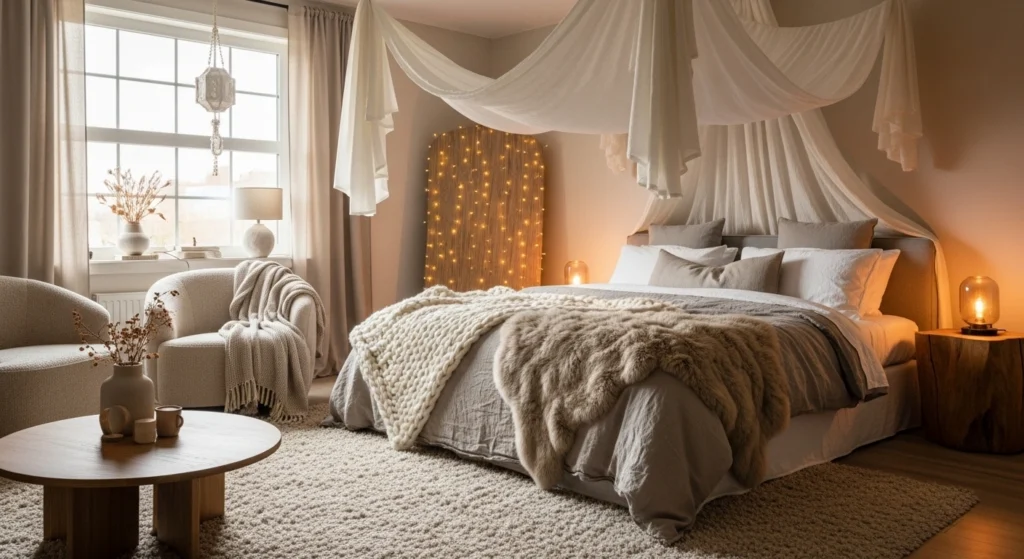
Winter Attic Bedroom Decor Ideas on a Budget (7 Steps)
An attic bedroom is the coldest room in the house in winter — sloped ceilings that trap the chill, draughty windows, and a bare floor that feels like ice underfoot in the morning. The good news is that warming one up does not need a remodel or a big budget: seven practical steps, mostly paint, textiles and secondhand finds, turn a freezing attic into the cosiest room in the house for roughly the price of one new piece of furniture.
Work through the steps in order: warm the floor first, then the walls, then the furniture, then the bed and the light. Each one is small on its own, but together they make an attic bedroom that holds its heat, looks intentional, and feels like a proper room instead of a storage space with a bed in it.
If the attic belongs to a teenager, our attic bedroom ideas for teens tackle the same slopes with a younger eye, and our cozy winter bedroom ideas layer the same warmth into a regular bedroom. For the spare room downstairs, our winter guest bedroom decor ideas use the same tricks on a flat ceiling.
Step 1: Warm the Floor First
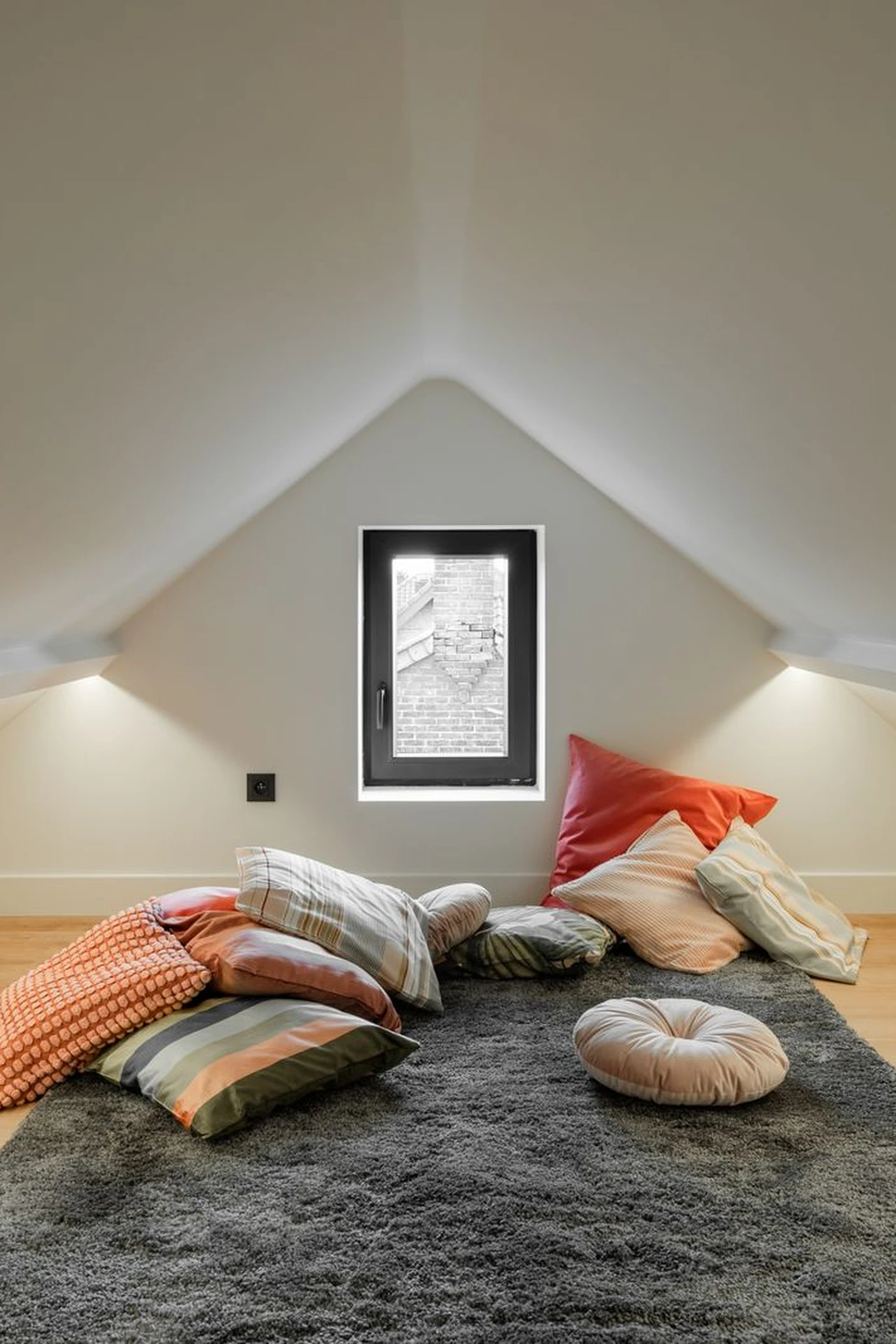
Attic floors are cold for a reason: there is usually nothing but floorboards and a cold roof space below them. Before you buy anything else, put a thick rug over the main walking area — the strip between the bed and the door, and the patch of floor where your feet land in the morning. A rug changes the room instantly, and it is the cheapest warmth you will buy all winter.
Look for wool or cotton rugs secondhand first: charity shops, Facebook Marketplace and house-clearance sales are full of them, often for $20 to $40 for a large one. A low, flat weave is easiest to clean and does not trap crumbs, while a thick shaggy rug feels wonderful underfoot but needs a good shake outside every week. Whatever you choose, put a non-slip rug underlay underneath — attic floors are usually smooth boards, and a rug that slides is a rug you will stop using.
Tip: Buy the rug bigger than you think you need. A rug that stops halfway across the floor looks like a mistake; one that runs from the bed to the door looks like a decision — and it keeps your feet warm for the whole walk, not just the first step.
Step 2: Paint the Slopes White
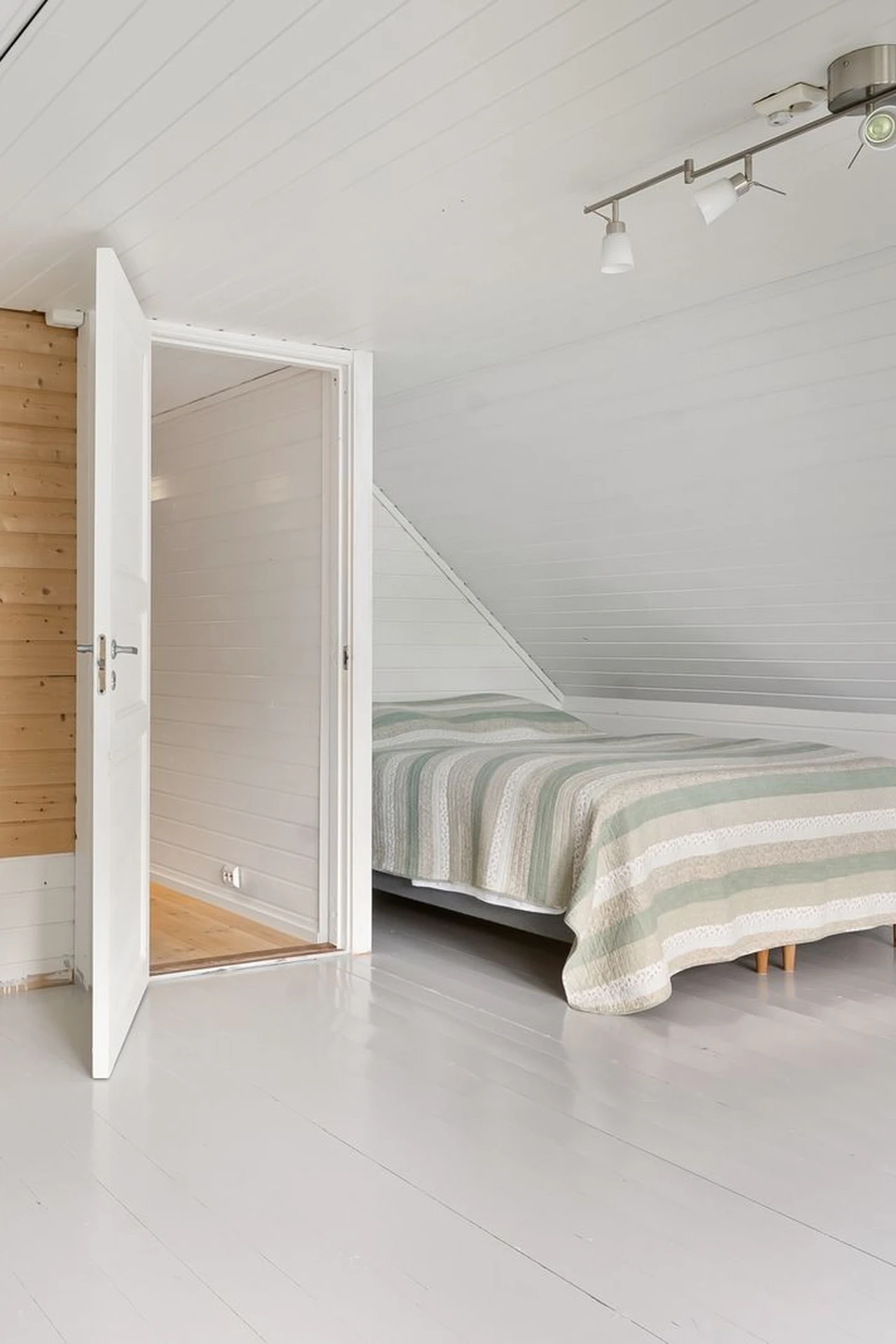
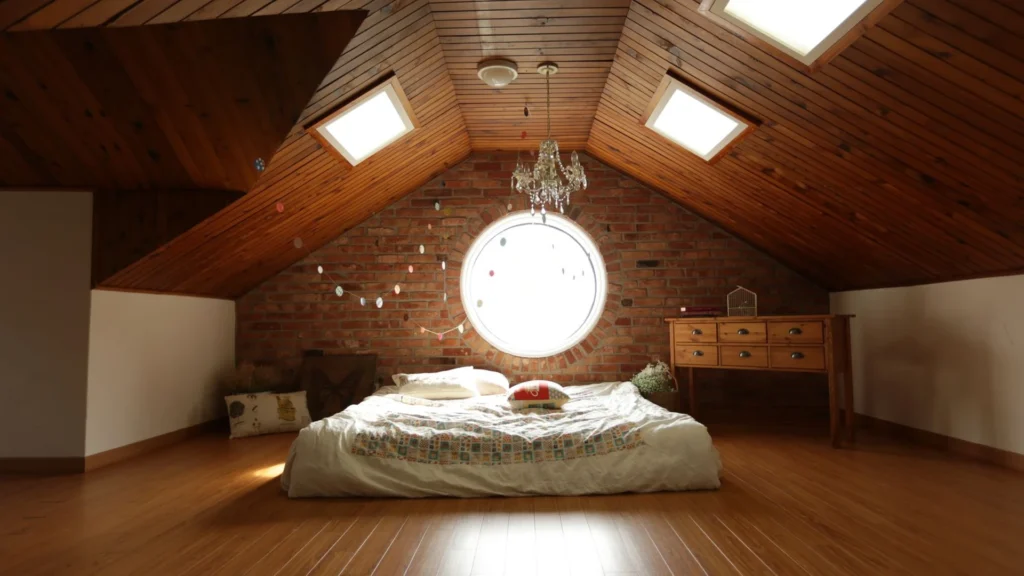
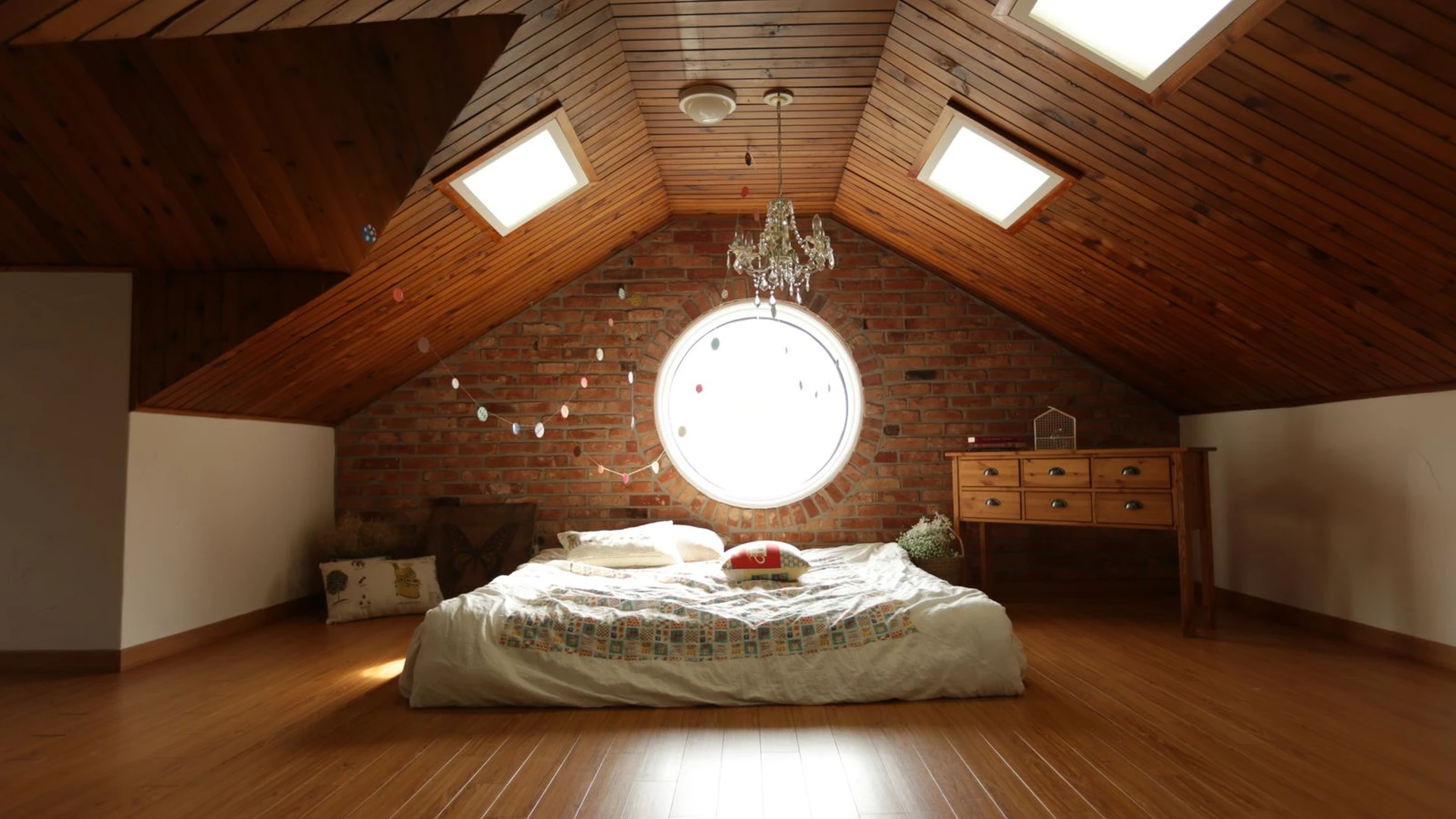
Dark wood slopes make an attic bedroom feel small, cold and cave-like, and they swallow the little winter daylight that comes through the skylights. One tin of white paint — about $25, or less if you find a mistinted tin at the hardware store — is the single biggest change you can make in this room. White slopes bounce the light around, lift the ceiling visually, and make the whole room feel warmer even though the temperature has not changed.
Paint the slopes and the knee walls white, but leave one wood accent if you have it: a single timber wall, a beam, or the wood around the window keeps the room from feeling like a hospital corridor. Use a satin or eggshell finish rather than flat matt — it wipes clean, it reflects a little more light, and it stands up to being knocked by a bed frame. Two thin coats beat one thick one, and a small roller on an extension pole reaches the highest point of the slope without a ladder balanced on the bed.
Tip: Paint in the morning on a dry day and leave the window open a crack while it dries. Attic rooms have poor airflow, and paint fumes hang around in the low corners long after the walls look dry.
Step 3: Furnish the Eaves with Low, Secondhand Pieces

A normal wardrobe does not fit under a sloping ceiling, and a tall chest of drawers jammed against the slope looks wrong and wastes the space beside it. The attic rule is simple: buy low. A low dresser, a low bed frame, and an open clothes rail all slide neatly under the eaves, and they cost very little secondhand because most people are trying to sell tall furniture, not low furniture.
Measure the height of the slope where each piece will sit before you buy — take a tape measure to the charity shop, not just a photograph. A dresser that is 10 cm too tall is a dresser that lives in the hallway. An open clothes rail is the best budget swap for a wardrobe: it costs less, it needs no doors to open into the slope, and it forces you to keep only the clothes you actually wear. A low bed frame, or even a mattress on a low platform, keeps the bed away from the coldest air at the ceiling and makes the room feel taller.
Tip: Buy the furniture before you buy the decor. A room full of cushions and fairy lights with no dresser and nowhere to hang clothes is still a storage room — get the low pieces in first, then dress them.
Step 4: Layer the Bed with Thrifted Textiles
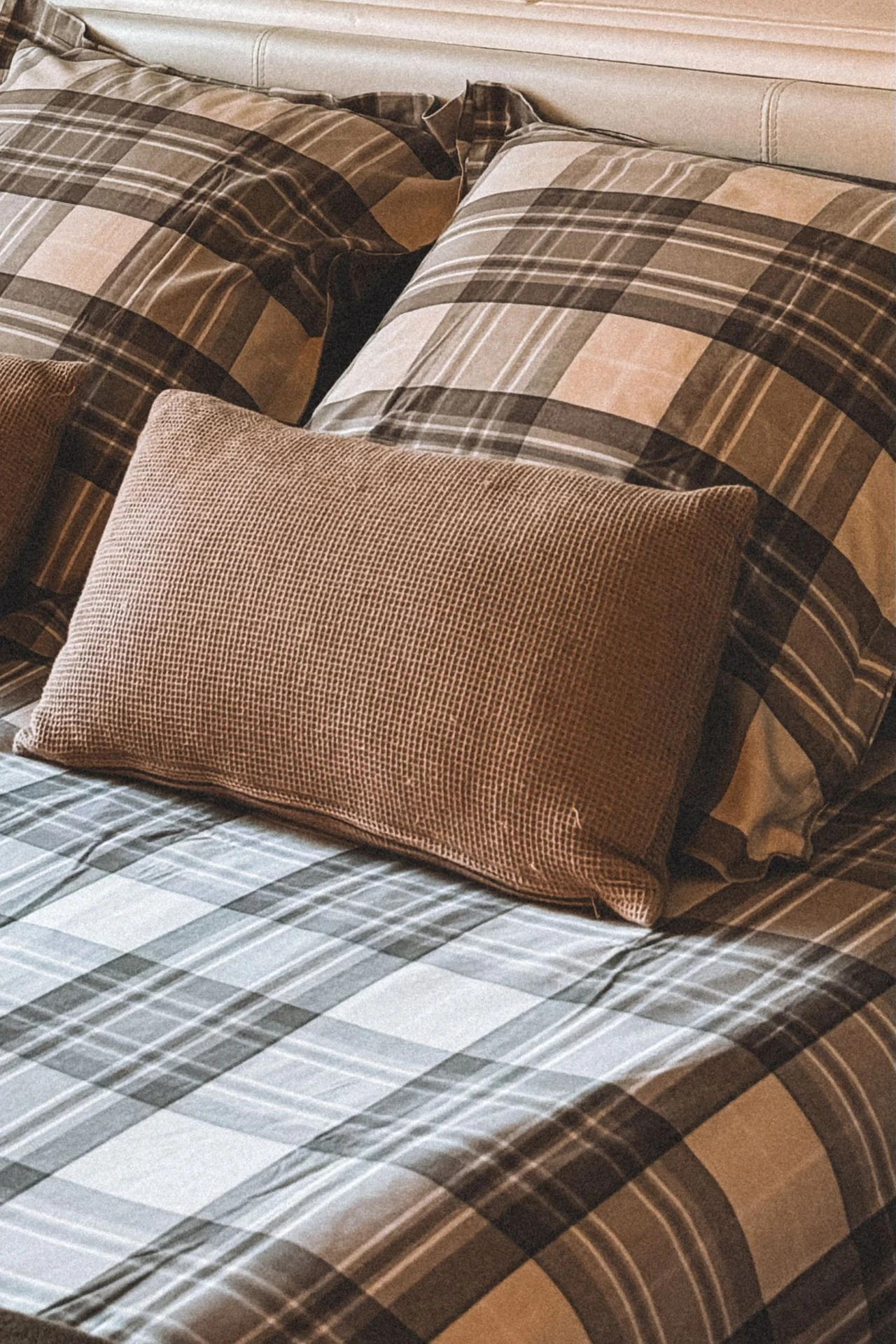
Attic bedrooms lose heat through the roof at night, so the bed is where the cold actually finds you. The fix is layers, not one expensive duvet: flannel sheets against the skin, a warm duvet, then a folded throw across the foot of the bed, and two or three cushions against the pillows. Each layer traps a little more air, and the bed starts to look like a winter bed instead of a summer one.
Plaid is the pattern that does the most work here — a plaid duvet cover or a plaid throw reads as winter instantly, and charity shops are full of them in good condition for a few dollars. Mix one pattern with plain textures rather than stacking three patterns together: plaid bedding with plain brown or cream cushions, or a plain duvet with a plaid throw folded across the foot. Wash everything secondhand before it goes on the bed, and keep one spare throw folded on the end of the bed for the coldest nights.
Tip: Fold the throw across the foot of the bed, not bunched at the top. A folded throw looks deliberate, stays put while you sleep, and is easy to pull up over your feet without remaking the whole bed.
Step 5: Add Warm Light for Almost Nothing
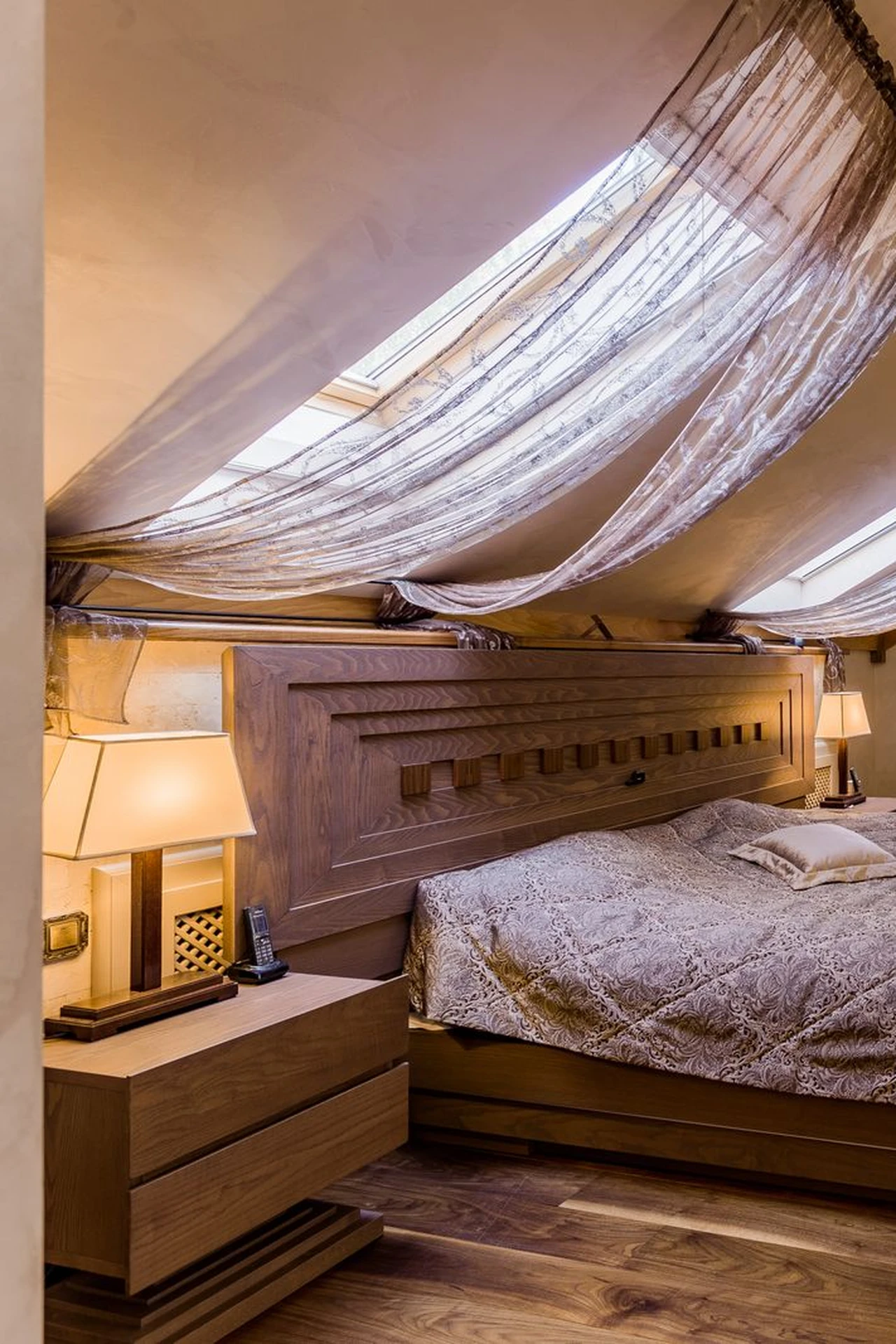
Attic bedrooms usually have one ceiling light, and it is usually cold white, which makes the room feel like a corridor at night. Warm light is the cheapest mood change there is: a pair of thrifted bedside lamps, a string of battery fairy lights along the slope, and warm-white LED bulbs (2700K) in every fitting. The whole set costs $10 to $20, and it changes the room more than any piece of furniture.
Put the light low, not high. A lamp on each bedside table, or one floor lamp in the corner where you read, throws warm light across the bed and the walls instead of down from the ceiling. Fairy lights work best strung along the line where the slope meets the wall, or draped around a skylight — they follow the shape of the roof and make the slopes look like part of the design instead of a problem. Avoid cool-white bulbs entirely in this room: they make white slopes look blue and the whole room feel colder.
Tip: Switch the lamps on an hour before it gets dark, not after. A room that is already glowing when the light goes outside never feels gloomy — a room you light after dark always feels like you are catching up.
Step 6: Build a Reading Nook from One Chair

Every attic has a dead corner under the lowest part of the slope — too low to stand in, too awkward for furniture. That corner is a reading nook waiting to happen. One thrifted armchair, a small rug under it, and a stack of books is the whole project: the low ceiling that makes the corner useless for anything else makes it feel sheltered and private when you sit in it.
Look for a solid, comfortable armchair secondhand — $20 to $40 will buy a good one, and a loose cushion in a plain fabric covers a multitude of sins. Put a small woven rug under the chair so your feet are not on bare boards, and add a clip-on reading lamp or a small table lamp nearby so the nook works after dark. Keep the books to a small stack on the floor or a low stool: a full bookcase will not fit under the slope, and a small stack looks intentional where a crowded shelf looks cramped.
Tip: Sit in the chair before you buy it, and check that you can get in and out of it without hitting your head on the slope. A chair that is comfortable in the shop and impossible in the corner is a chair that ends up back at the charity shop.
Step 7: Dress the Window to Keep the Heat In
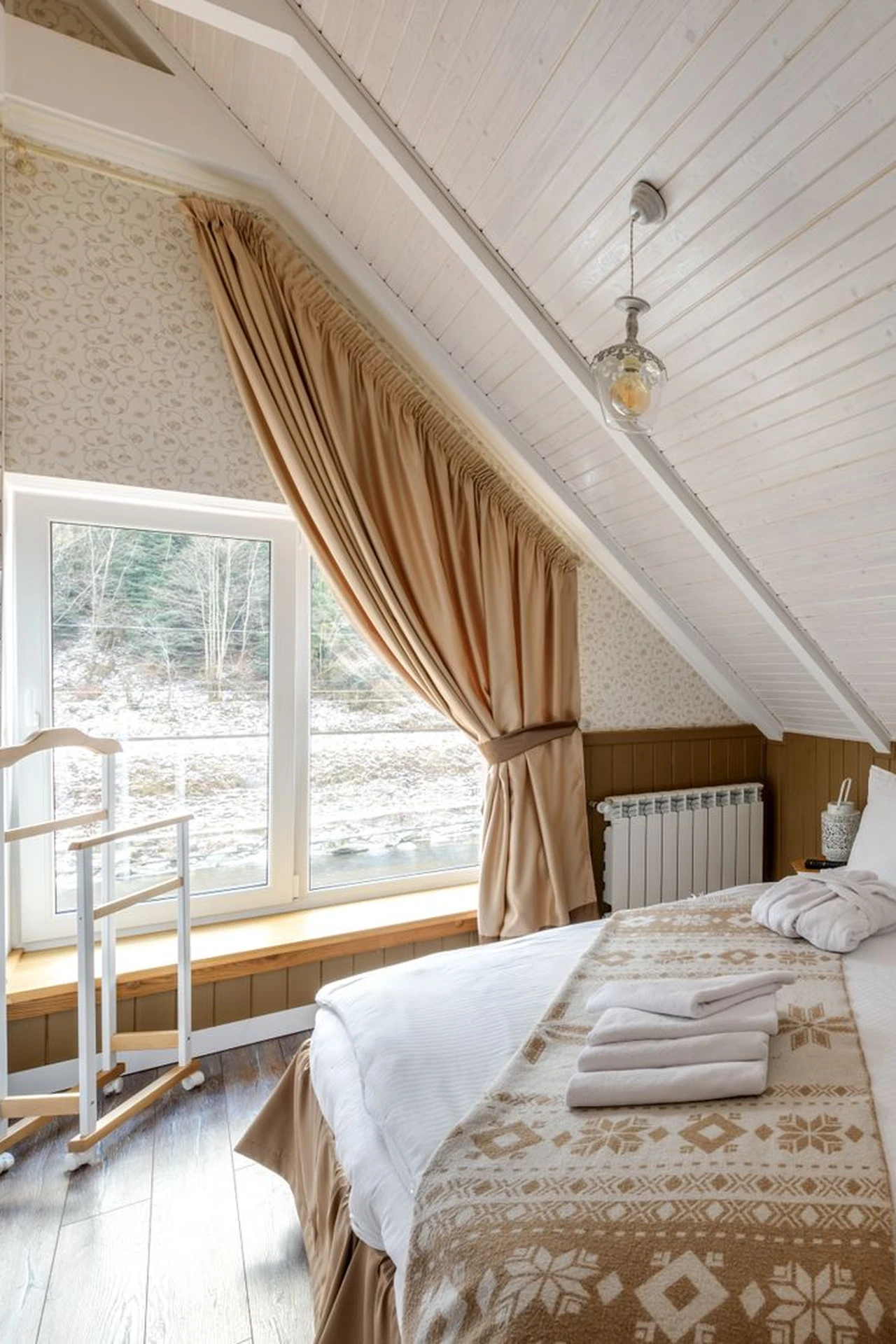
Attic windows are the biggest source of heat loss in the room, and they are also the draughtiest: cold air pours in around the frame and down the glass. Thermal curtains — or ordinary curtains with a thermal curtain liner sewn or clipped behind them — cut that draught dramatically, and they cost $20 to $35 on sale or secondhand. Hang them so they cover the whole window frame, not just the glass, and let them reach the floor so the cold air pools behind them instead of in the room.
Three cheap extras make the curtains work harder. A draft excluder along the bottom of the window frame stops the worst of the leak. Window insulation film — the clear plastic you shrink with a hair dryer — adds an invisible second layer of glass for a few dollars. And a radiator or small heater under the window, if you have one, should stay clear of the curtains: heat rising behind a curtain warms the curtain, not the room.
Tip: Open the curtains fully on sunny winter mornings and close them the moment the sun goes. An attic window gains real heat from a low winter sun, and a closed curtain holds that heat in — the two moves together are worth more than either one alone.
Winter Attic Bedroom Budget Table
Here is the whole project at a glance. Buy secondhand first, and the total lands well under the cost of one new wardrobe:
| Step | What to buy | Rough cost | Where to find it cheap |
|---|---|---|---|
| 1. Floor | Thick rug + non-slip rug underlay | $20–$40 | Charity shops, Facebook Marketplace |
| 2. Slopes | One tin of white paint, satin finish | ~$25 | Hardware store mistints and clearance |
| 3. Furniture | Low dresser + open clothes rail | $30–$60 | Secondhand, house clearances |
| 4. Bed | Plaid bedding + a folded throw | $15–$30 | Thrifted, end-of-line sales |
| 5. Light | Two thrifted lamps + warm-white LED bulbs + fairy lights | $10–$20 | Charity shops, pound and dollar stores |
| 6. Nook | Armchair + small woven rug | $20–$40 | Charity shops, local buy-and-sell groups |
| 7. Window | Thermal curtains or liners + draft excluder | $20–$35 | Sale rails, secondhand |
| Total | Seven steps, whole room | ~$140–$250 | Secondhand first, sales second |
Read Next
Keep the winter warmth going: our attic bedroom ideas for teens tackle the same slopes for a younger room, our cozy winter bedroom ideas layer the same warmth into a regular bedroom, and our winter home decor ideas carry these layers through the rest of the house.
Frequently Asked Questions
How do I keep an attic bedroom warm in winter on a budget?
Start with the floor and the window, because that is where the heat leaves. A thick rug with a non-slip underlay warms the floor, thermal curtains and a draft excluder stop the window draught, and layered bedding — flannel sheets, a warm duvet, a folded throw — keeps the bed warm overnight. Warm-white lamps make the room feel warmer too, even though they add almost no heat. Together these steps cost roughly $140 to $250 secondhand, and they work better than one expensive heater running all night.
What is the cheapest way to decorate an attic bedroom?
Paint and textiles, in that order. One tin of white paint on the slopes costs about $25 and changes the whole room, and thrifted textiles — a rug, plaid bedding, a throw, cushions — add the warmth and colour for a few dollars each. Buy the furniture secondhand too: low dressers and open clothes rails are cheap because most people are selling tall furniture. Leave the structural work alone; an attic bedroom decorated with paint, rugs and secondhand finds looks finished without any building work at all.
How can I make a sloped ceiling feel taller?
Paint the slopes white and keep the furniture low. White slopes reflect the light and push the ceiling visually upward, while a low bed, a low dresser and an open clothes rail leave more wall visible, which makes the room feel taller than it is. Avoid tall wardrobes and tall bookcases against the slope — they emphasise the low point and make the ceiling feel like it is closing in. A rug that runs the length of the room also helps, because the eye follows it and the floor feels longer.
What furniture fits under the eaves of an attic bedroom?
Anything low: a low dresser, a low bed frame, an open clothes rail, a small armchair, and low storage boxes that slide into the knee-wall space. Measure the height of the slope where each piece will sit before you buy — the ceiling height changes every few centimetres under a slope, and a piece that is 10 cm too tall will not fit at all. An open clothes rail is the best wardrobe replacement because it needs no doors to swing into the slope, and a low bed keeps you away from the coldest air at the ceiling.
How do I stop condensation in an attic bedroom?
Ventilate a little every day, even in winter: open the window or the skylight for ten minutes in the morning to let the damp air out, and do not dry clothes in the attic bedroom if you can avoid it. Keep furniture a few centimetres away from the outside walls so air can move behind it, and wipe down any window condensation in the morning before it soaks into the frame. Thermal curtains help with the draught, but they trap damp air if the room never gets fresh air — the ten-minute morning opening is the habit that makes the rest of the steps work.