
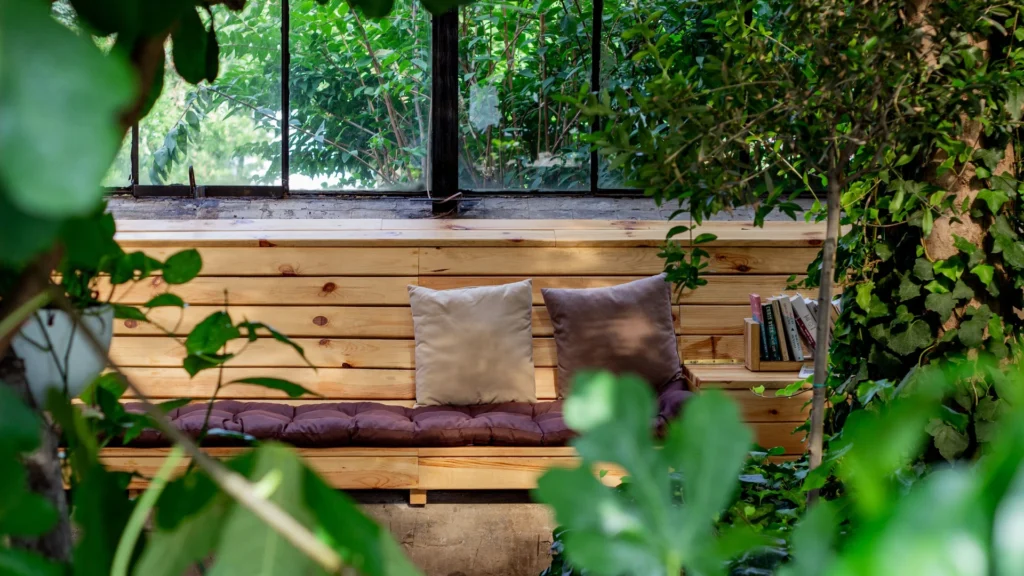
15 Winter Sunroom Decor Ideas That Make the Glass Room the Warmest Spot in the House
A sunroom is the first room to go cold when winter arrives — all that glass that made it glorious in June turns it into an icebox by December, and most families quietly stop using it until spring. These winter sunroom decor ideas fix exactly that: layers of warmth, light, and texture that let you keep the light and the view while taking the chill out of the room.
Work through the ideas in order and the room changes fast: a throw on every seat, a rug under your feet, curtains that actually insulate, and light that glows instead of glares. Nothing here needs a builder, and none of it hides the glass — that is the whole point of a sunroom.
For the same warmth through the rest of the house, start with our winter home decor ideas, and if the living room needs the same treatment, our winter living room decor ideas carry the same layers into the main room.
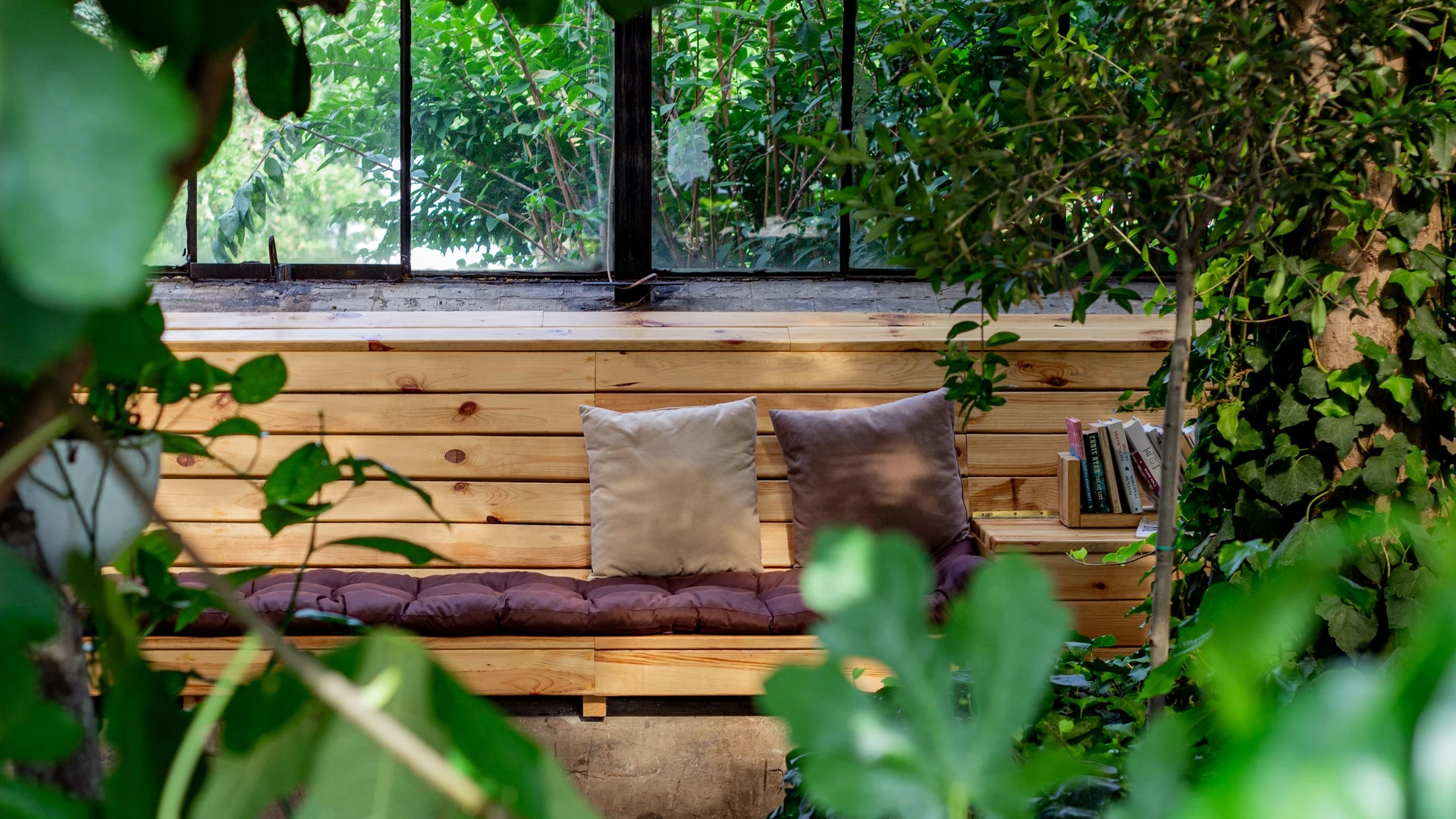
1. Frame the Winter View First
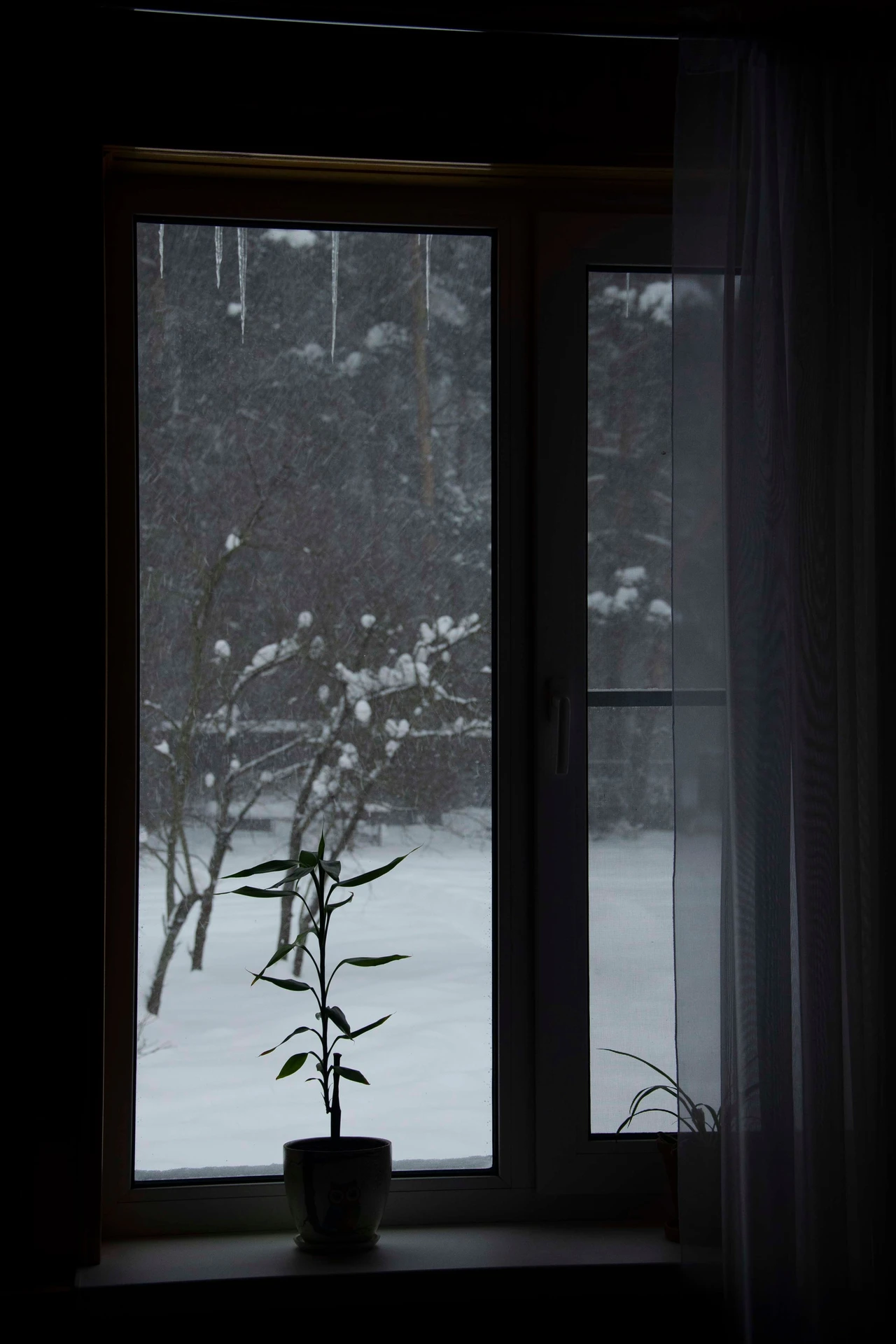
Before you buy anything, look at what the room already has: a view of snow, bare branches, and low winter light that no other room in the house can offer. A sunroom in winter does not need to pretend it is summer — it needs to frame the cold outside so the warmth inside feels earned. Clear the windowsills, wipe the glass inside and out, and let the snow be the picture on the wall.
Keep one small plant on the sill so the eye has something green to land on, and leave the middle of the glass bare — curtains and clutter pushed to the edges make the view feel bigger, and a bigger view makes the room feel warmer, not colder. The contrast is the cosiness: white outside, warm inside.
Tip: Clean the inside of the glass on a mild day and check the seals while you are at it — a thin draught around a sunroom window undoes every other layer you add.
2. Drape a Throw Over Every Seat
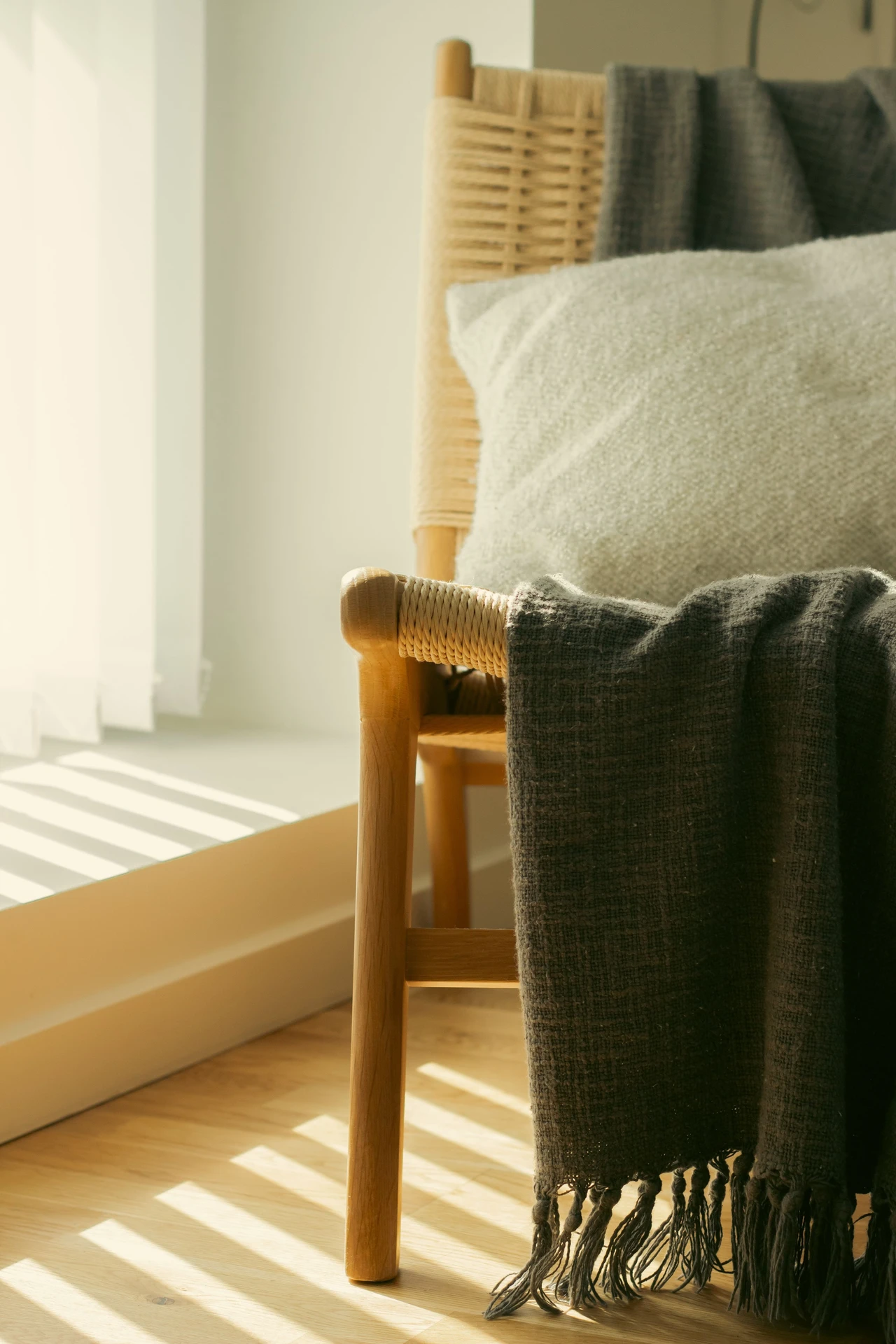
A sunroom chair without a throw is a cold chair, and cold chairs are why nobody sits in the room after November. Drape a thick throw over the back or the arm of every seat — wool, fleece, or a chunky knit — so warmth is already there when someone sits down, not something they have to go and fetch from another room.
Choose throws in warm tones that pick up the low winter sun: cream, rust, deep green, or soft grey, and let them stay slightly rumpled rather than folded flat. A throw that looks used is an invitation; a throw folded into a perfect square is a museum piece. One per seat is enough — the room should look lived in, not buried.
Tip: Keep a spare throw in a basket by the door so guests can grab one without asking, and wash them on a gentle cycle once a month — winter throws collect dust fast in a glass room.
3. Warm the Floor With a Rug
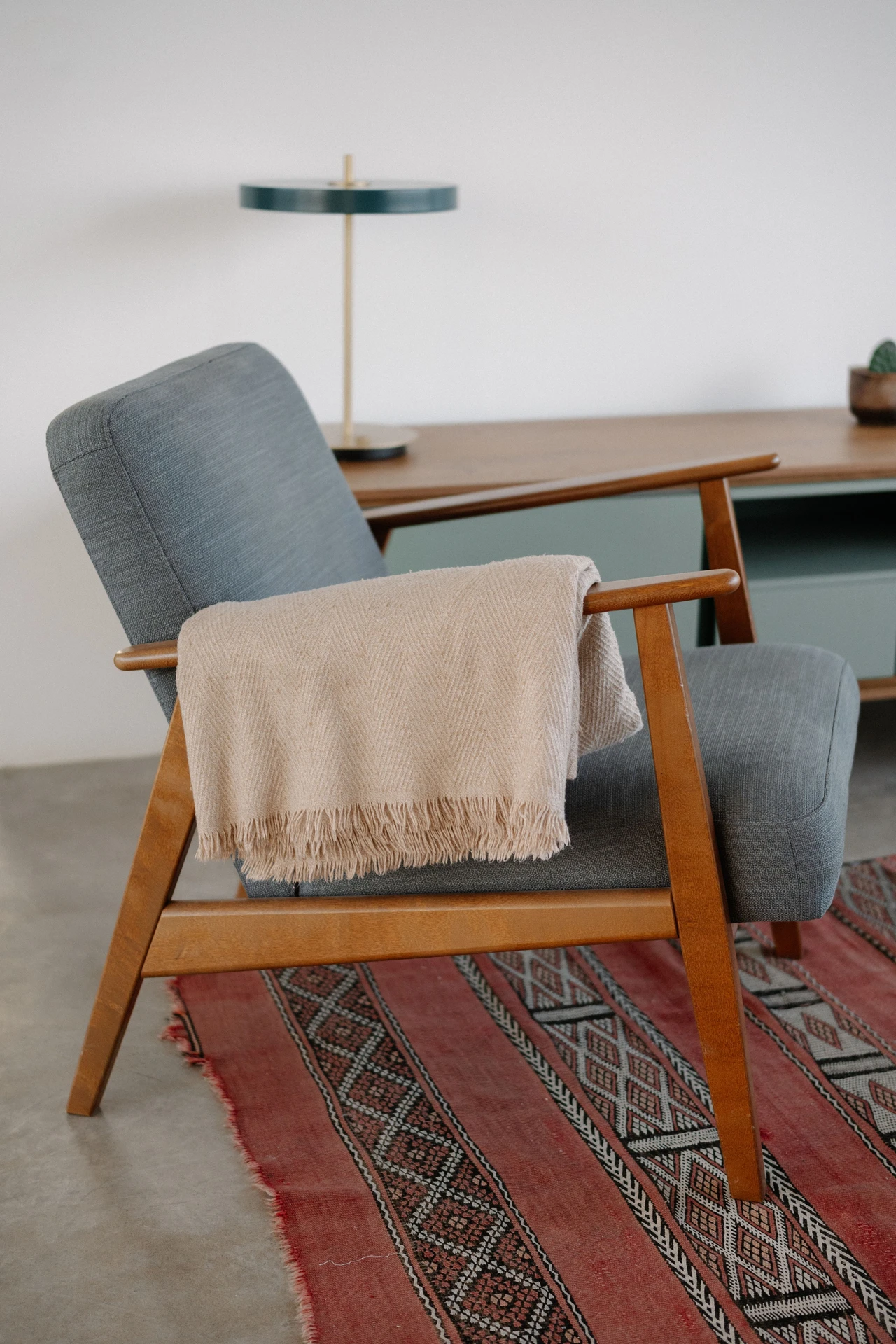
Sunroom floors are usually tile, stone, or bare wood, and in winter they are the coldest surface in the house — bare feet avoid them and the whole room feels unwelcoming. A thick rug changes that in an afternoon: it insulates the coldest patch of floor, softens the sound of the glass room, and anchors the furniture so the space reads as a room rather than a corridor with chairs in it.
Go for a low, dense pile in a warm pattern that can take winter light without fading — a flat-weave kilim or a thick wool rug in reds, rusts, or warm neutrals. Make it big enough that the front legs of every chair sit on it, so nobody’s feet land on cold tile when they stand up.
Tip: Add a thin non-slip pad underneath — sunroom floors are smooth, and a rug that creeps across tile is a trip hazard in socks.
4. Hang Lined Curtains for the Evenings
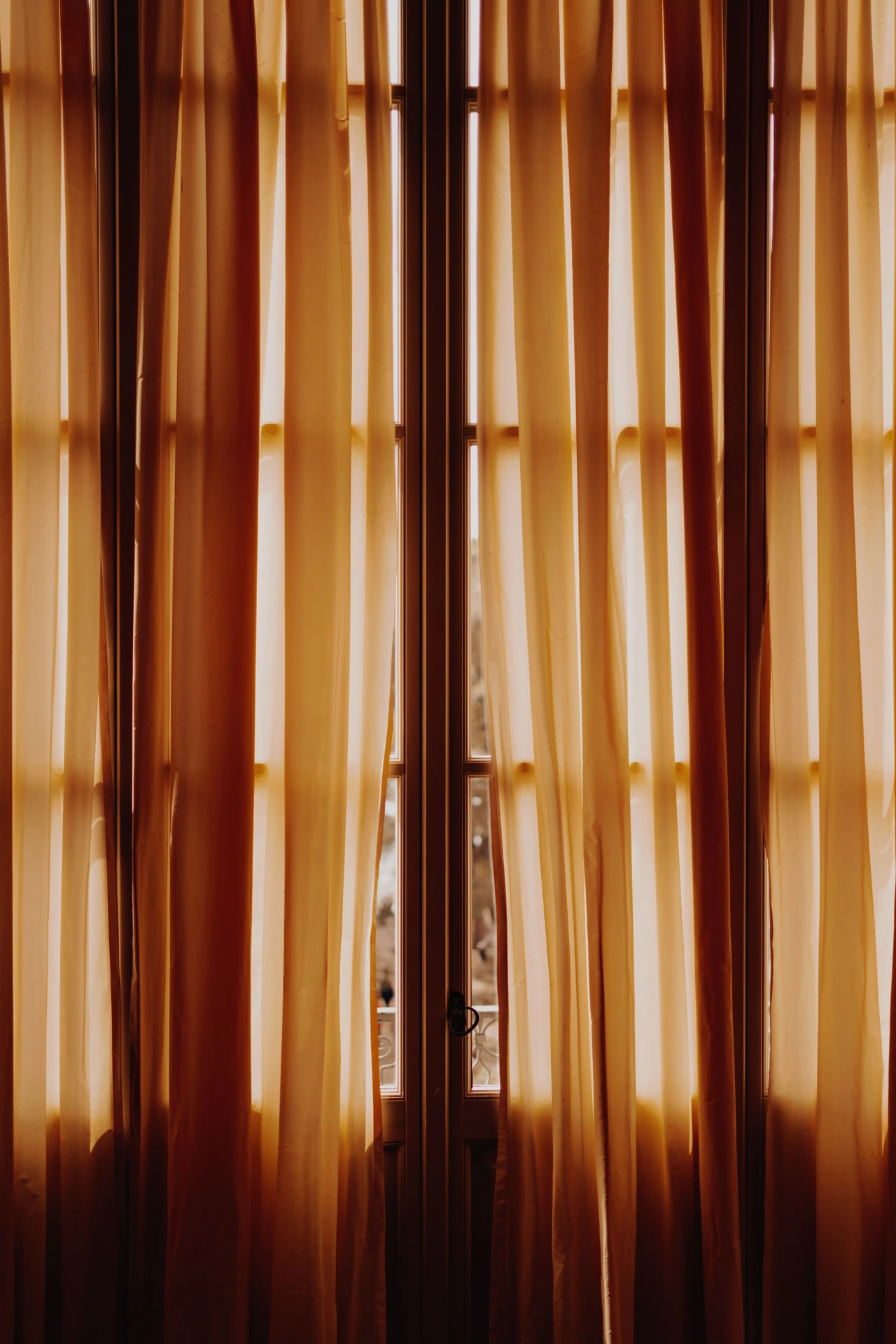
Glass loses heat the moment the sun drops, and the single best winter sunroom decor idea for evenings is also the simplest: lined curtains. A heavy, lined curtain drawn across the glass at dusk traps the warm air the room collected all day and stops the cold radiating off the panes — the room can feel several degrees warmer with no heater at all.
Choose a warm fabric — velvet, heavy linen, or a lined cotton in a tone that suits the room — and hang the curtains so they fall past the sill and puddle slightly on the floor, sealing the draught at the bottom. During the day, pull them right back to the edges so the glass stays the star of the room.
Tip: Draw the curtains as soon as the light starts to fade, not when the room already feels cold — you are trapping the day’s warmth, and once it is gone the curtains can only slow the loss.
5. Choose Cold-Hardy Plants
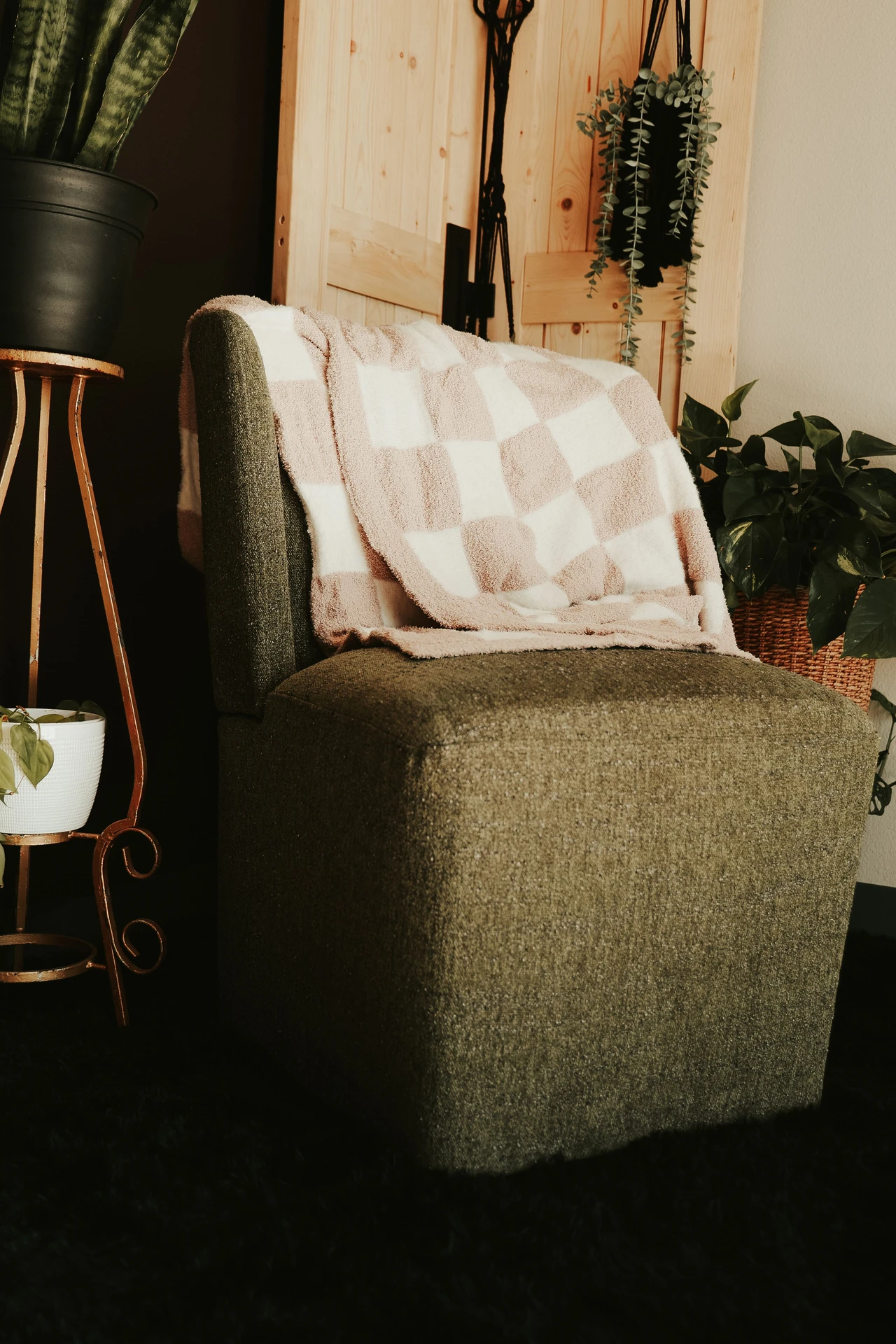
A sunroom is a greenhouse with furniture, and winter is when it earns the name — but only if the plants can take the cold nights. Choose plants that shrug off a chilly glass room: snake plants, pothos, and eucalyptus all cope with cool temperatures, dry heated air, and the bright-but-low winter sun, and they stay green when everything outside is bare.
Group them in threes at different heights — a tall snake plant on a stand, a trailing pothos on a shelf, a small eucalyptus hanging by the door — so the greenery reads as a deliberate arrangement rather than a single lonely pot. Terracotta, woven baskets, and dark ceramic pots all suit the room better than bright plastic.
Tip: Water sparingly in winter and keep pots a hand’s width away from the coldest glass — roots pressed against an icy pane are the fastest way to lose a plant in January.
6. Build a Breakfast Ledge by the Glass
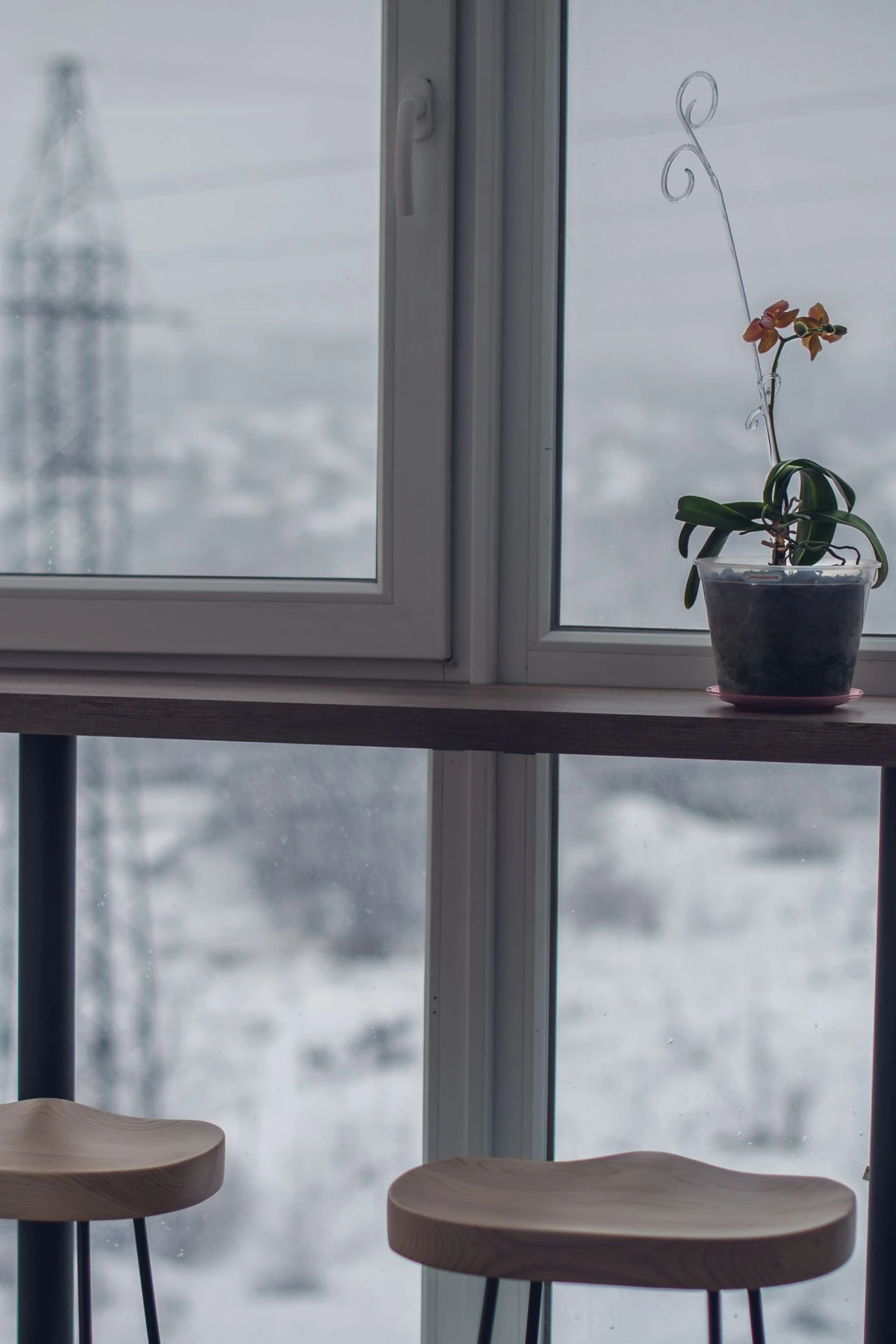
A sunroom earns its keep in winter when it gets a job, and the easiest one is breakfast. A narrow ledge or counter along the glass, with two stools tucked under it, turns the coldest room into the best seat in the house for the first coffee of the day — snow outside, warm mug in hand, and the low sun coming straight through the glass.
Keep the ledge shallow and the stools light enough to move, and leave one small plant on the counter so the spot feels styled rather than improvised. A wooden counter suits the room better than stone, which stays cold to the touch all morning.
Tip: Put the ledge on the side that catches the morning sun — a breakfast spot that is warm by nine o’clock gets used every day, and one that stays in shade gets used never.
7. Keep a Hot-Drink Tray Ready

Warm hands are what make a cold room bearable, and a sunroom without a hot drink is a room you leave after ten minutes. Keep a tray ready by the door or on a small side table: a heavy ceramic mug, a kettle or a flask, and something small to eat, so the ritual of a hot drink is part of the room rather than a trip back to the kitchen.
A thick-walled mug holds its heat far longer than a thin one, and a wooden tray keeps everything together while protecting the table underneath. Tea, coffee, hot chocolate — the drink matters less than the habit: one hot mug at the start of every sit-down in the room.
Tip: Fill a flask before you settle in so the second cup is already hot — the cold walk back to the kitchen is what breaks the spell and empties the room.
8. Light a Lantern at Dusk

Winter afternoons end early, and a sunroom lit only by its ceiling light feels like a waiting room. A lantern with a real candle inside gives the room a second, lower light that flickers against the glass and makes the whole space feel sheltered — one flame in a glass lantern does more for the mood than a whole row of ceiling spots.
Use a sturdy metal or wooden lantern with glass panels, so the flame is protected from draughts, and set it on a sill, a side table, or the floor by the door where its light catches the glass. Two small lanterns at opposite ends of the room beat one big one in the middle.
Tip: Never leave a lit candle unattended in a glass room, and keep lanterns away from throws and curtains — the glow should be the only thing that catches.
9. String Fairy Lights Through Pinecones

Sunrooms go dark fast in winter, and fairy lights are the cheapest way to push the darkness back. Thread a string of warm-white lights through pinecones and frosted greenery along a shelf or a windowsill — the lights catch the glass, the pinecones give them something to wind around, and the whole arrangement glows without a single plug-in fixture.
Keep the lights warm white, never cool blue, and keep them low — along a sill or a low shelf, not draped across the ceiling, so the glow sits at sitting height where people actually are. Battery lights on a timer are the easiest option: on at dusk, off by bedtime, no remembering required.
Tip: Buy one extra string than you think you need — a garland that stops halfway along a sill looks unfinished, and the spare is useful when a bulb goes.
10. Swap In Rattan and Wicker
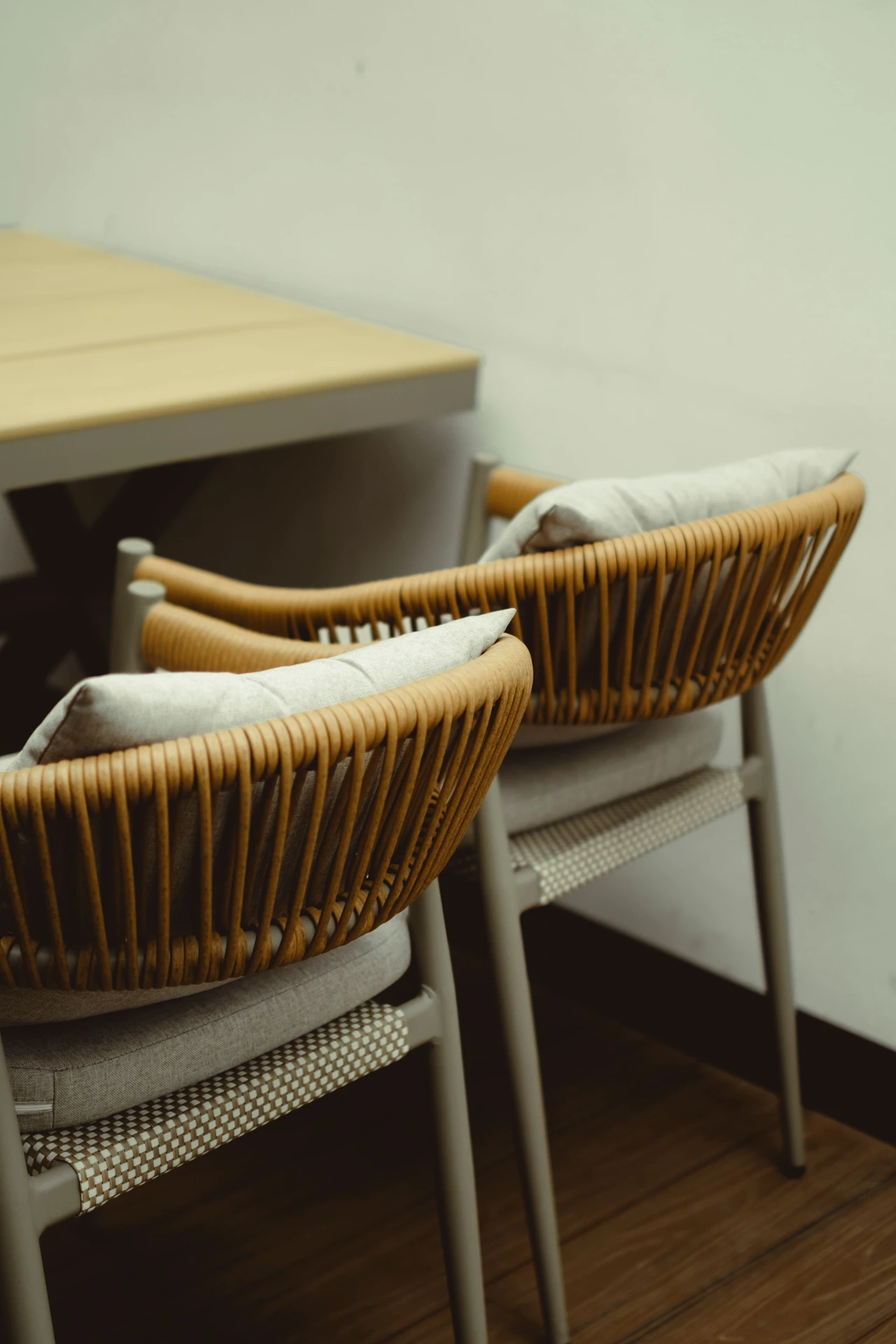
Sunrooms were made for rattan and wicker — the woven texture is light enough for a glass room and warm enough for winter, and it never looks as cold as bare metal or plastic. A pair of rattan chairs with thick cushions gives the room its winter seating without the bulk of upholstered armchairs, and the weave lets the low sun through in a way solid furniture never does.
Add a cushion to every wicker seat — bare rattan is cold to sit on in January — and choose cushions in a warm, washable fabric so winter mud and wet boots do not ruin them. A woven chair with a wool cushion and a throw over the arm is the whole winter sunroom in one seat.
Tip: Check wicker chairs for loose strands before winter and trim them flush — a snag that catches a wool throw will unravel the weave and the throw alike.
11. Layer Warm Lamps
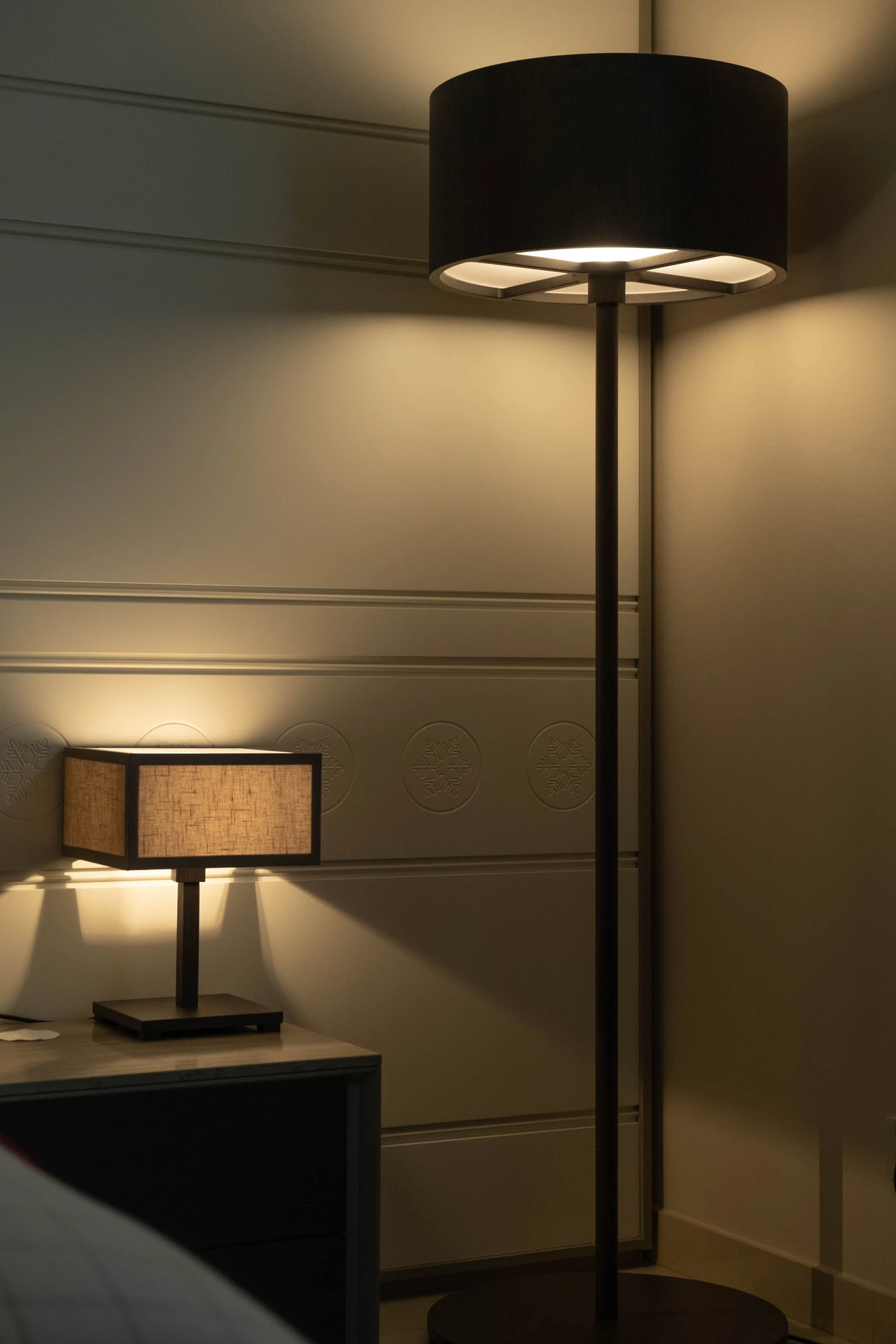
A sunroom’s ceiling light is the coldest light in the house, and in winter it switches on by four in the afternoon. What warms the room is light at two heights: a floor lamp that pools warm light over the seating, and a smaller table lamp on a sill or side table that softens the corners the floor lamp cannot reach.
Choose warm-white bulbs around 2700K and shades in linen or fabric that diffuse the light rather than bare bulbs that glare off the glass. The moment the room has two warm pools of light instead of one cold ceiling glare, it already feels several degrees warmer, even though the thermostat has not moved.
Tip: Put the floor lamp in the corner furthest from the door so its light washes across the whole room, and the table lamp near the seat where you actually sit — light should follow people, not furniture.
12. Fill a Basket With Fresh Fir

A sunroom in winter needs something that smells like the season, and fresh fir in a basket does it without a single decoration. Fill a wide wicker basket with cut fir branches, set it on a cabinet or a low table, and the room gets greenery, scent, and a natural texture all at once — no watering, no fuss, and the branches last for weeks in a cool glass room.
Let the branches spill over the edge of the basket rather than standing to attention, and mix in a few pinecones if you have them. The basket itself matters: woven, natural, and big enough to look generous — a small basket of fir looks apologetic, a full one looks like a harvest.
Tip: Mist the branches lightly once a week to keep the needles from dropping, and swap them for fresh ones when the scent fades — in a cold sunroom a basket of fir can last a month.
13. Mind the Glass Roof

The glass roof is the sunroom’s best feature and its biggest winter job. Snow sitting on the roof blocks the very light the room exists for, and icicles along the edge mean water is freezing where it should be draining — so a quick check after every snowfall is worth more than any decoration you could buy.
Clear heavy snow from the roof with a long-handled brush from the ground, never by climbing on the glass, and check that the gutters and downpipes are clear so meltwater runs away instead of refreezing at the edge. Inside, the payoff is immediate: a clear roof means the low winter sun reaches the floor again, and the room warms itself.
Tip: If icicles keep forming in the same spot, that edge is losing heat — a strip of draught excluder on the frame above it often fixes the cause, not just the symptom.
14. Keep the Sheers Up in the Daytime

Lined curtains are for the evening, but daytime in a sunroom belongs to sheers. A sheer curtain over the glass softens the low winter sun without blocking it, cuts the glare that bounces off snow, and gives the room a little privacy without losing the view — and because the sun still gets through, the room still warms itself for free.
Hang sheers on a slim rod right against the glass so they move with the window, not across the room, and choose a plain white or warm cream rather than a pattern — the view through them is the decoration. On the brightest snowy days, sheers are the difference between a room you squint in and a room you linger in.
Tip: Wash sheers before winter and again in February — glass rooms collect dust fast, and grey sheers block far more light than white ones.
15. Set a Proper Table Under the Skylight
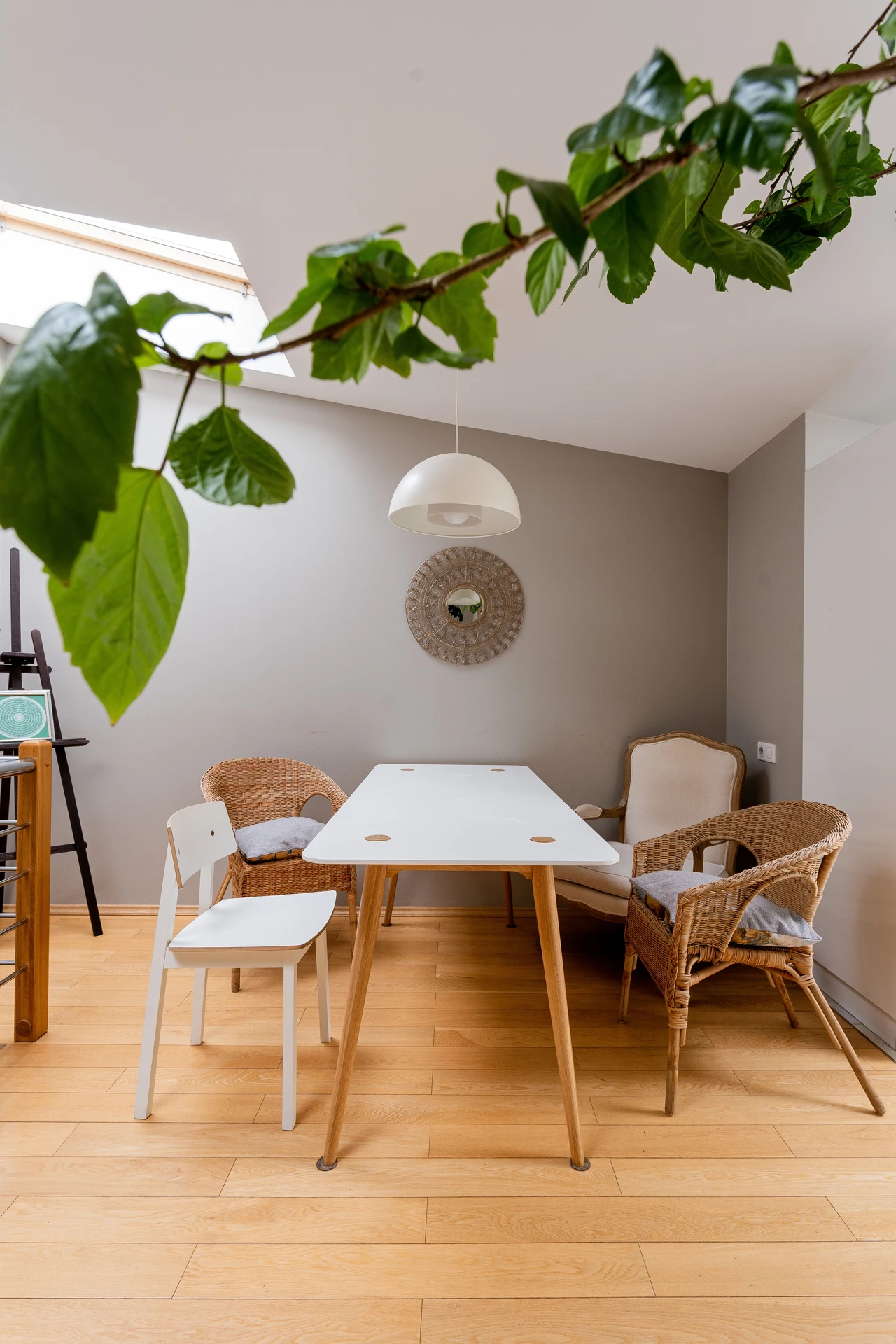
The last idea is the one that turns the sunroom from a sitting room into a winter habit: set a proper table under the skylight. A small table with wicker chairs, kept set with a simple centrepiece and a stack of plates, makes the room the default for slow winter breakfasts and long afternoon teas — and a room with a job gets used, while a room with only chairs gets forgotten.
Keep the table simple — a wooden bowl, a vase with dried stems, a folded cloth — so it looks ready rather than staged, and leave the chairs pulled out slightly, as if someone has just stepped away. A skylight above the table means the low winter sun falls right where the food is, which is the best lighting a meal can have.
Tip: Keep a tray of mugs and a small kettle on a side table nearby so the table can be used without a trip to the kitchen — the easier it is to use, the more it gets used.
Winter Sunroom Checklist
Run through this list once at the start of winter and your sunroom will stay warm and used until spring:
| Check | What to do | Why it matters in winter |
|---|---|---|
| View | Clear the sills, clean the glass inside and out, leave the middle of each window bare | The snow outside is the room’s best decoration — let it show |
| Seats | A thick throw on every seat, one spare in a basket by the door | Cold chairs are why nobody sits in the room after November |
| Floor | Thick rug under the seating, front legs of every chair on it, non-slip pad underneath | Stops cold feet on tile and stone, the number-one winter complaint |
| Curtains | Lined curtains drawn at dusk, sheers up in the daytime | Traps the day’s warmth at night, softens glare while keeping the free sun |
| Plants | Snake plant, pothos, eucalyptus — grouped in threes, pots off the coldest glass | Green against a grey winter afternoon keeps the room feeling alive |
| Light | Floor lamp + table lamp, warm-white bulbs (2700K), lantern lit at dusk, fairy lights on a timer | Beats the 4pm darkness without harsh overhead glare on the glass |
| Roof | Clear snow after every fall, check gutters, watch for icicles in the same spot | A clear roof lets the low winter sun back in — the room warms itself |
| Habit | Breakfast ledge by the glass, hot-drink tray ready, table set under the skylight | A room with a daily job gets used all winter; a room with only chairs gets forgotten |
Frequently Asked Questions
How do I keep my sunroom warm in winter without a heater?
Layer warmth where your body feels it: a thick rug under your feet, a throw on every seat, lined curtains drawn at dusk, and warm lamps at two heights. Together they make the room feel several degrees warmer, and a clear glass roof lets the low winter sun heat the floor for free during the day.
What plants survive in a cold sunroom in winter?
Snake plants, pothos, and eucalyptus all cope with cool nights, dry heated air, and low winter light, and they need very little water in cold months. Keep pots a hand’s width away from the coldest glass so the roots never sit against an icy pane.
Should I put curtains in a sunroom in winter?
Yes — two kinds. Lined curtains drawn at dusk trap the warmth the room collected during the day and stop cold radiating off the glass, while sheer curtains in the daytime soften the low sun and the glare off snow without blocking the free heat. One without the other only does half the job.
How do I stop condensation on sunroom windows in winter?
Condensation forms when warm, damp air meets cold glass, so keep the room ventilated for a short time each day, avoid drying laundry in the sunroom, and wipe the glass down on frosty mornings. A rug and lined curtains help too, by keeping the air near the glass from cooling so fast.
Can I use a sunroom in winter at all?
Yes, if you give it a daily job — a breakfast ledge by the glass, a reading chair with a throw and a lamp, or a table set under the skylight. Sunrooms go unused in winter because they are cold and purposeless, not because they are unusable, and the ideas above fix both problems at once.
Read Next
If your sunroom is starting to feel like the warmest spot in the house, keep going: our winter home decor ideas carry the same warmth through the rest of the house, and our winter living room decor ideas do the same for the main room.