Parents spend hours hunting for kids’ room ideas, then end up with themed furniture and picture-perfect rooms that stop working the moment their child grows. A race-car bed delights a five-year-old — then what?
The best kids’ bedrooms aren’t built around trends. They’re designed to grow: supporting sleep, study, friends, and storage without a full makeover every three years. Here are 18 upgrades that age a room up without aging it out.
1. Refinish the Desk Instead of Replacing It
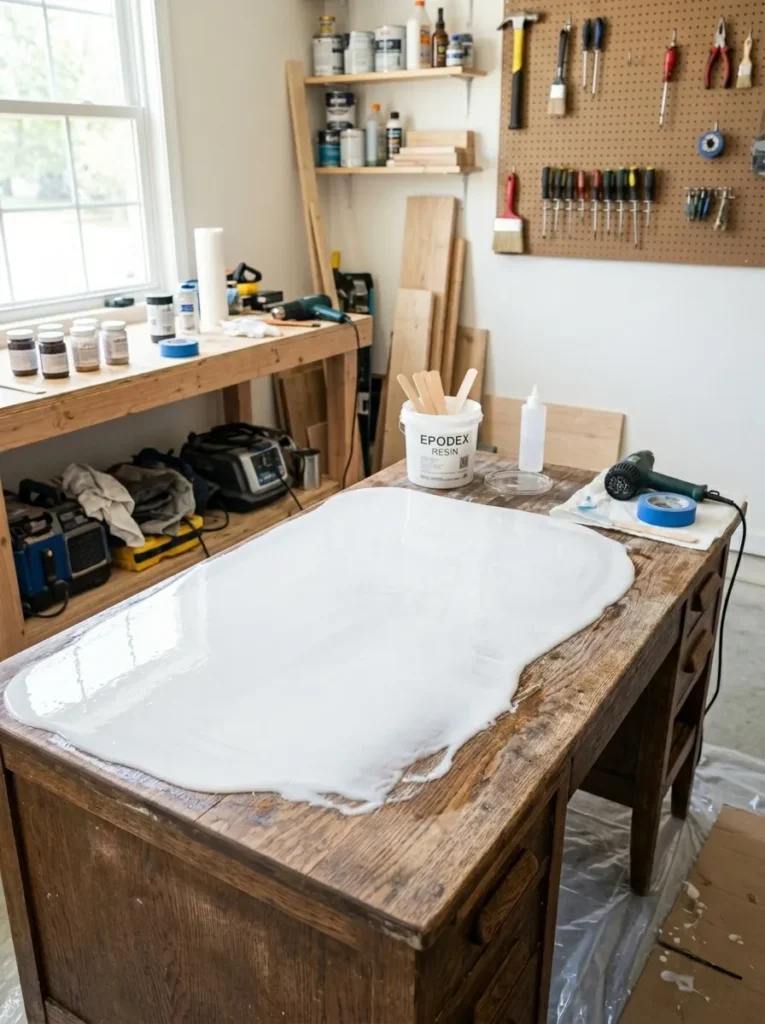
That scratched, marker-stained desk is structurally fine — it just looks tired. Sand it smooth and pour a thin layer of clear or tinted countertop epoxy. It self-levels into a glassy, rock-hard shell that wipes clean. New desk look, fraction of the cost.
2. A Pegboard Command Center
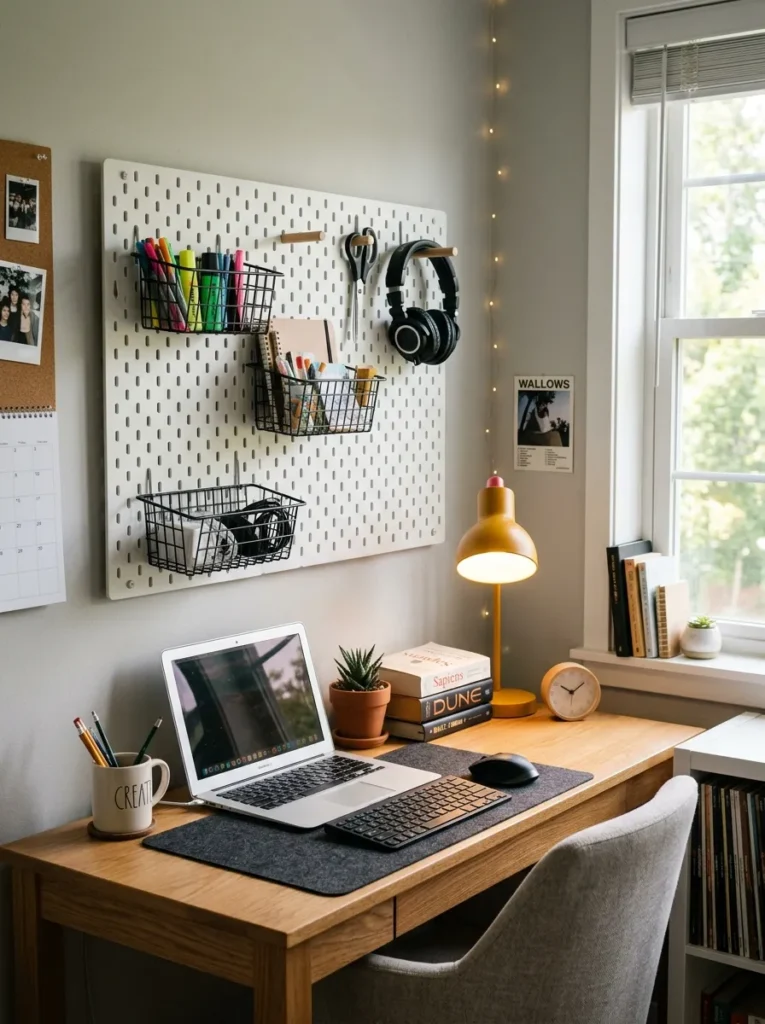
School supplies, headphones, charging cords — piled on the desk they become visual noise that kills focus. Mount a matte black or white modular pegboard behind the desk with wooden pegs, small shelves, and clip-on cups. Everything visible, everything off the work surface.
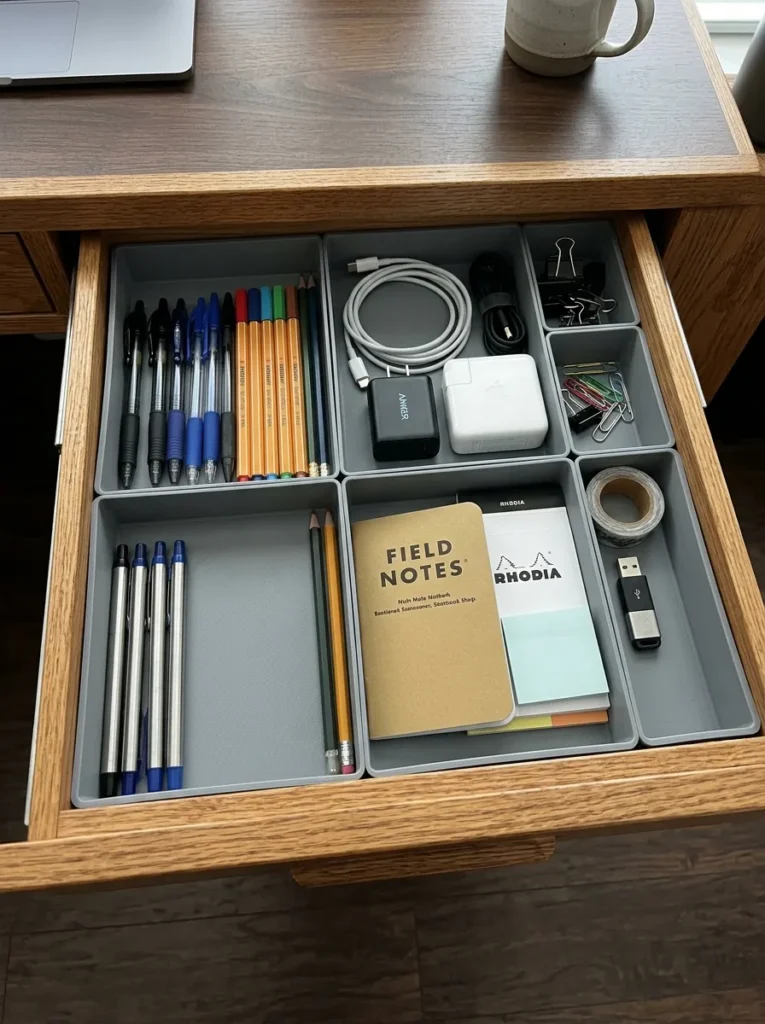
3. Drawer Organizers That Actually Fit
Deep drawers become junk zones. Interlocking bamboo or plastic trays snap together to fit the exact drawer dimensions — a slot for pens, USB drives, coins, everything. Opening a drawer stops being a treasure hunt.
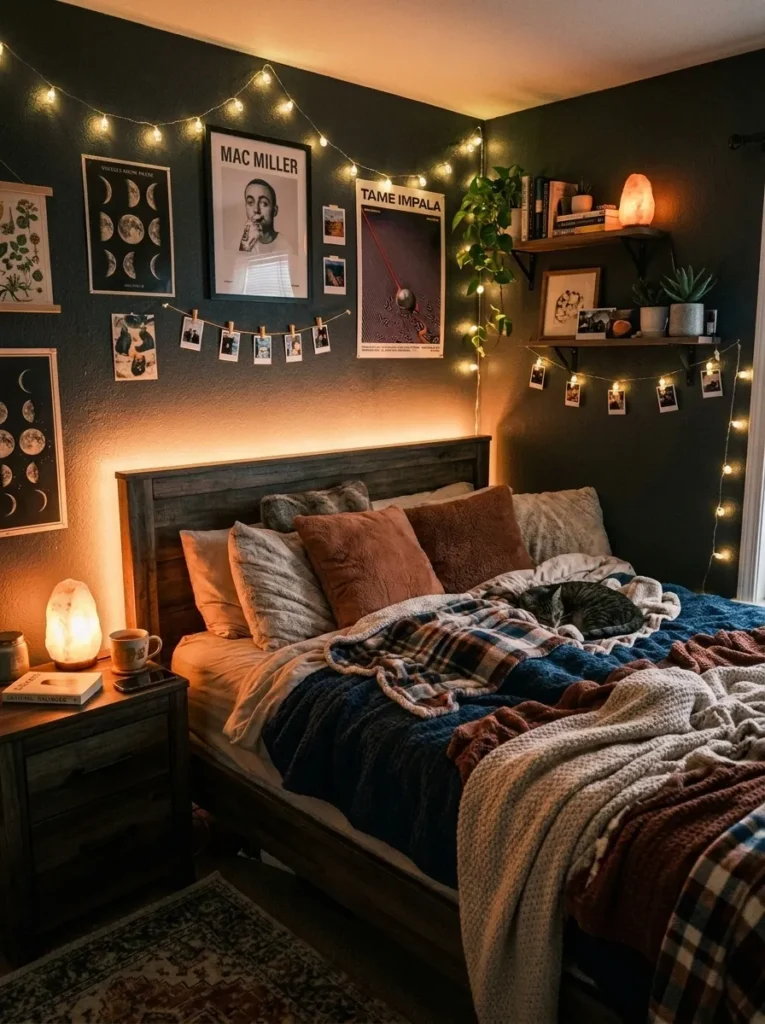
4. Hidden LED Glow (Not Dorm-Room Glare)
Exposed LED strips tacked along the ceiling look harsh. Instead, run flexible LED strips along the hidden back edge of the headboard or behind the monitor, facing the wall. The color pools softly across the drywall — ambient, low-glare, calming at night.
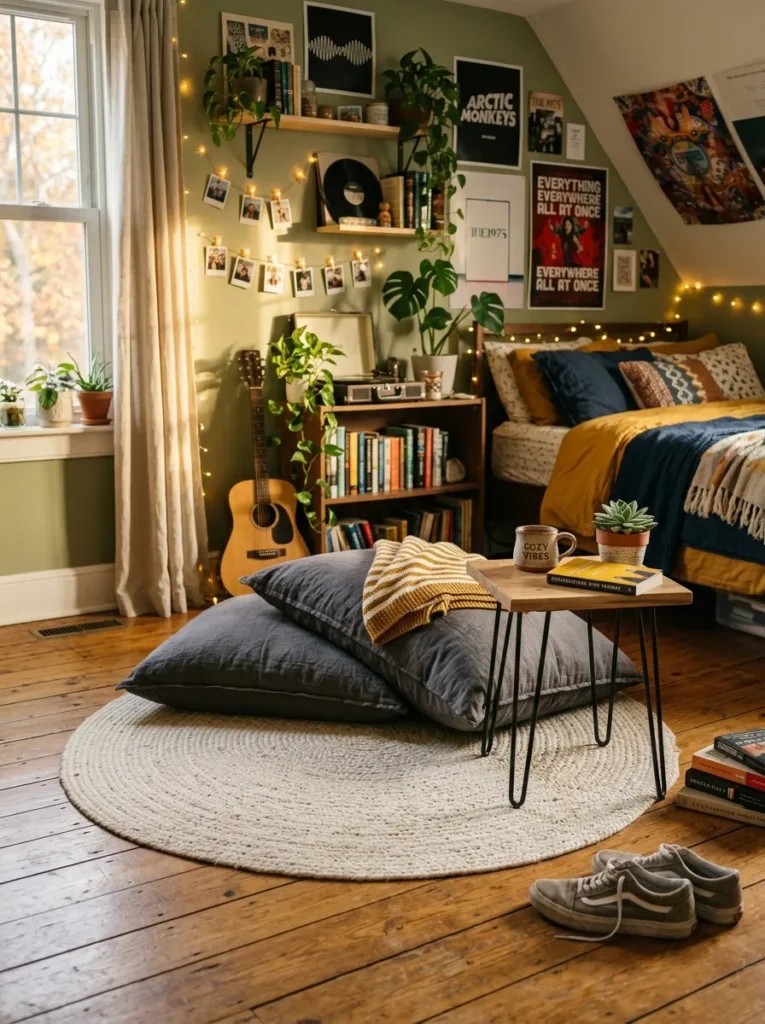
5. A Floor Lounge Zone for Friends
Teens need somewhere to sit with friends that isn’t the bed. Define a corner: thick neutral woven rug, two large linen floor cushions or a low canvas beanbag. It signals “hangout zone,” keeps shoes off the bedding, and costs very little.
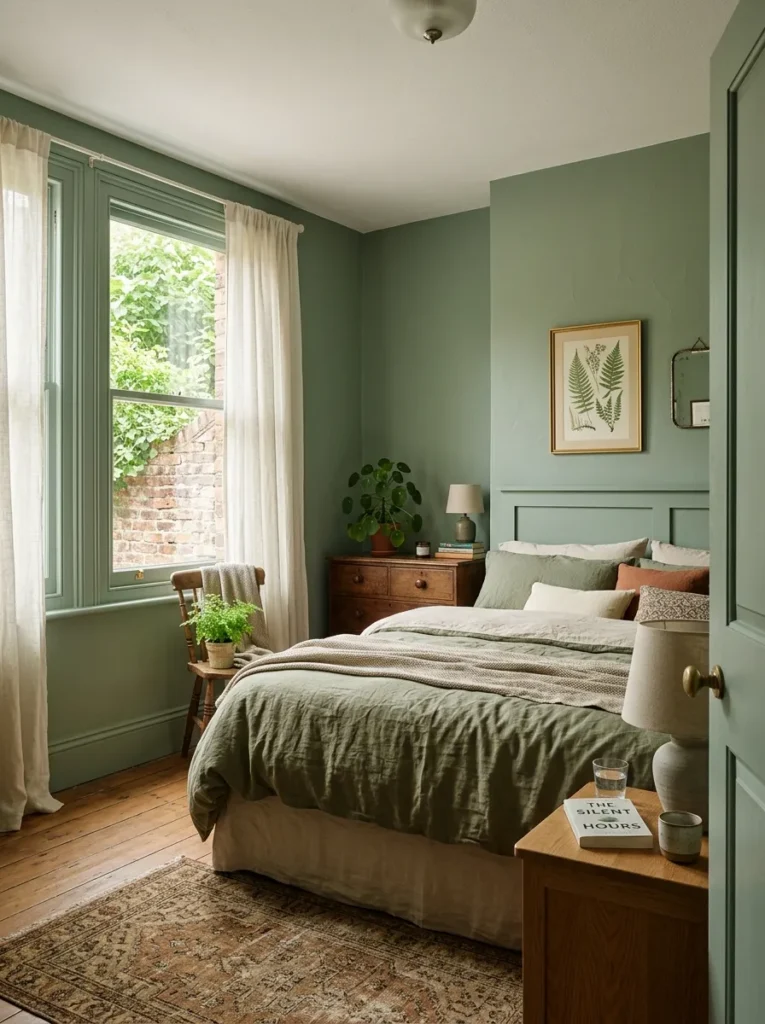
6. Color-Drench the Walls
White walls + dark baseboards + mismatched doors = visual fragmentation that makes small rooms feel busy. Paint everything — walls, trim, doors, ceiling — one muted tone: warm beige, sage, soft slate. Boundaries disappear and the room feels wider and calmer.
7. Switch to a Low Platform Bed
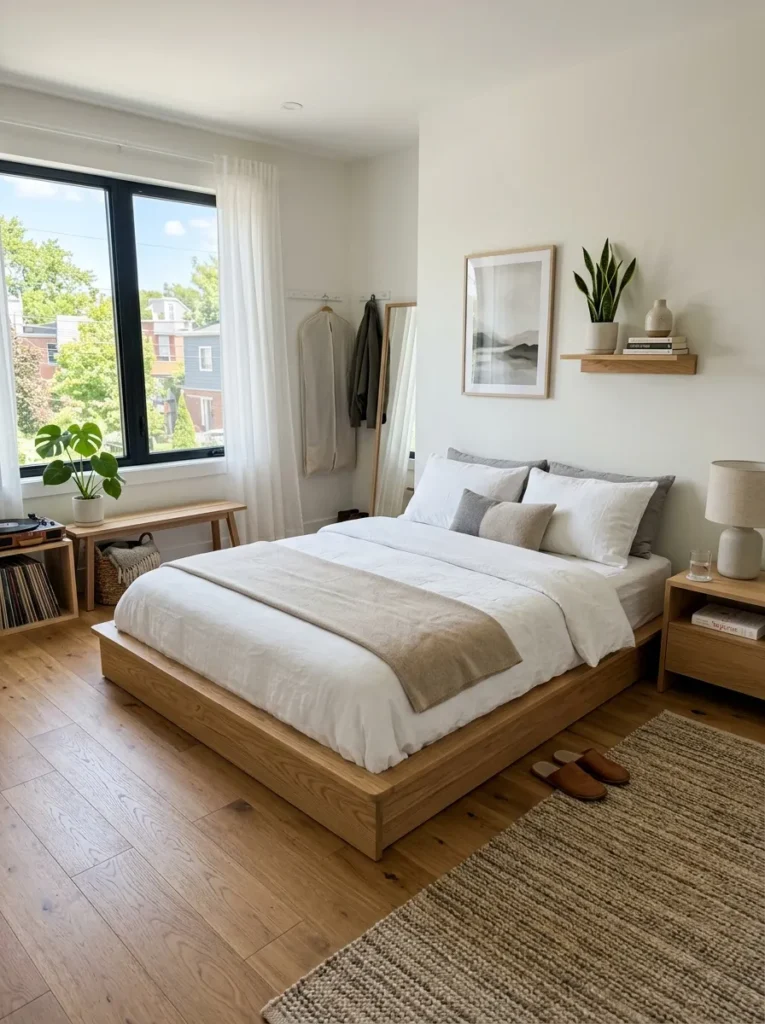
A tall traditional frame with a high footboard chokes the room’s traffic flow. A low-profile platform bed with no footboard drops the mattress closer to the floor, opening up the vertical space above it — ceilings feel taller, the room feels bigger.
8. Hide the Cord Chaos
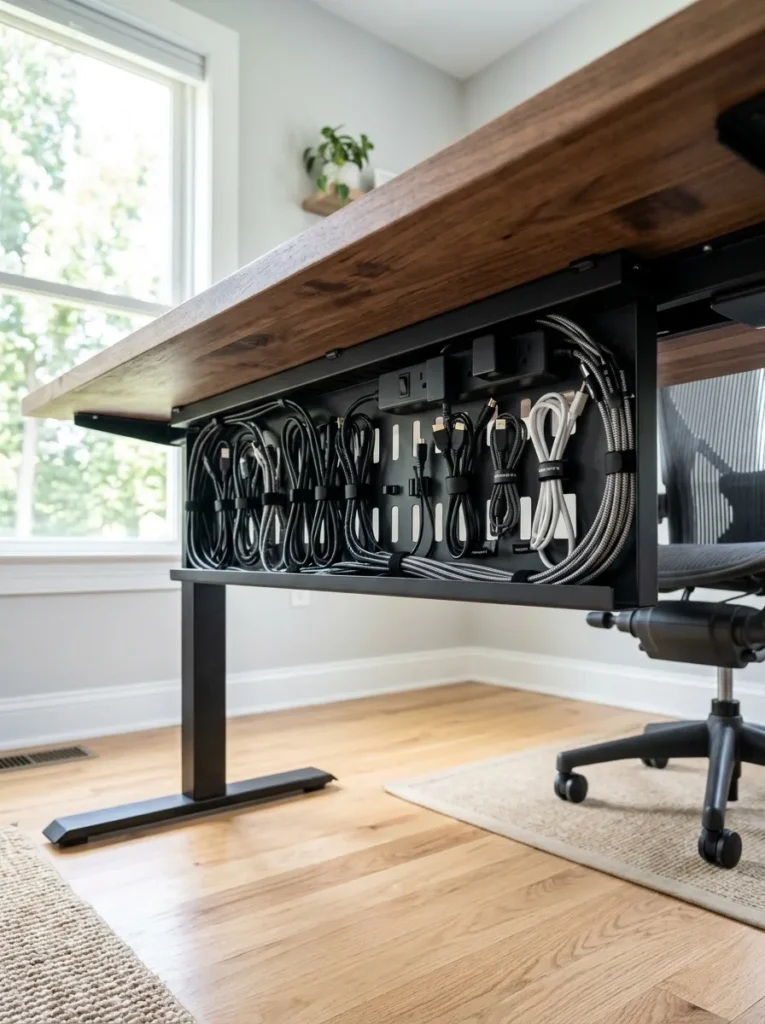
Power strips and charging cables dangling under the desk ruin the clean look. Screw a wire mesh tray or J-channel raceway under the back edge of the desktop, route everything through it, secure slack with hook-and-loop ties. Five-minute job, permanent calm.
9. Symmetrical Floating Shelves
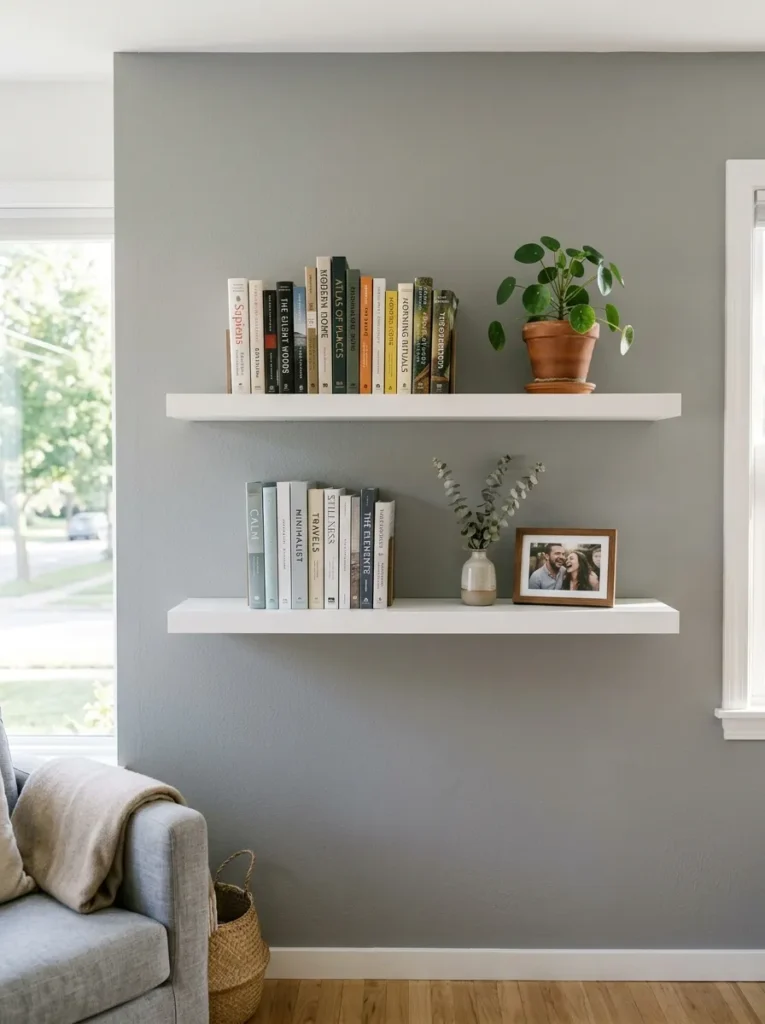
Bulky bookcases eat floor space and become clutter magnets. A symmetrical row of long, thick floating shelves on one wall holds books, binders, and a few styled objects — storage with the floor completely clear.
10. Grown-Up Bedding
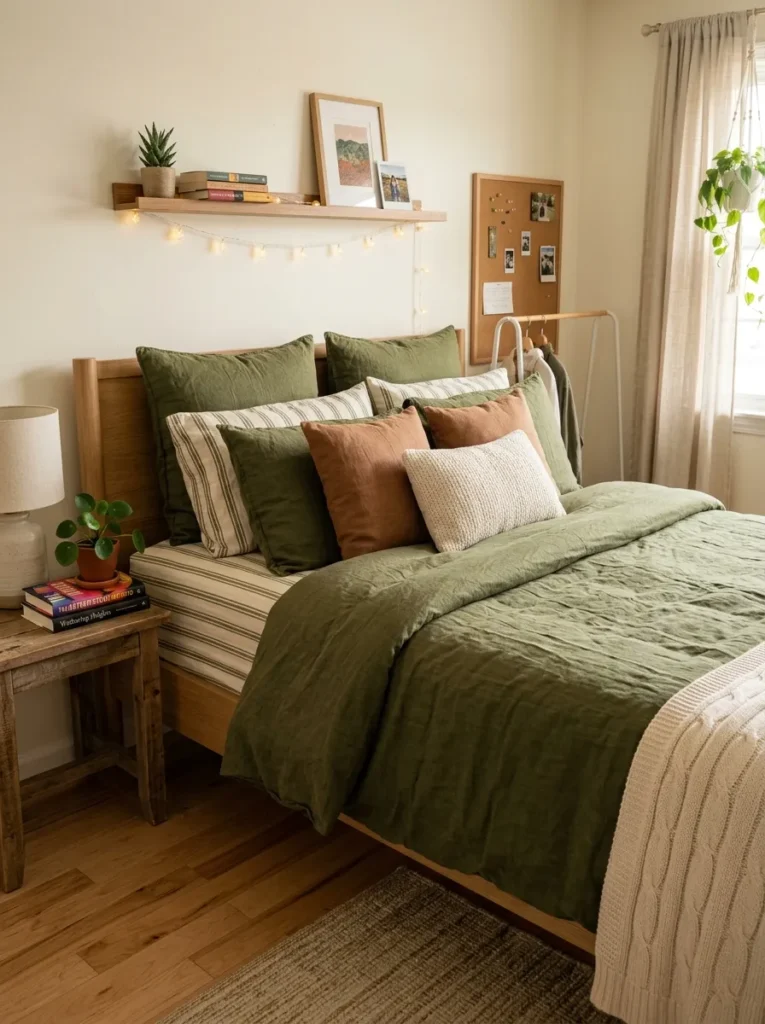
The fastest maturity upgrade: ditch the synthetic character sheets. Washed cotton or flax linen duvet covers in deep mineral tones — charcoal, olive, terracotta. The matte, slightly crinkled texture looks tailored without ironing and survives daily lounging.
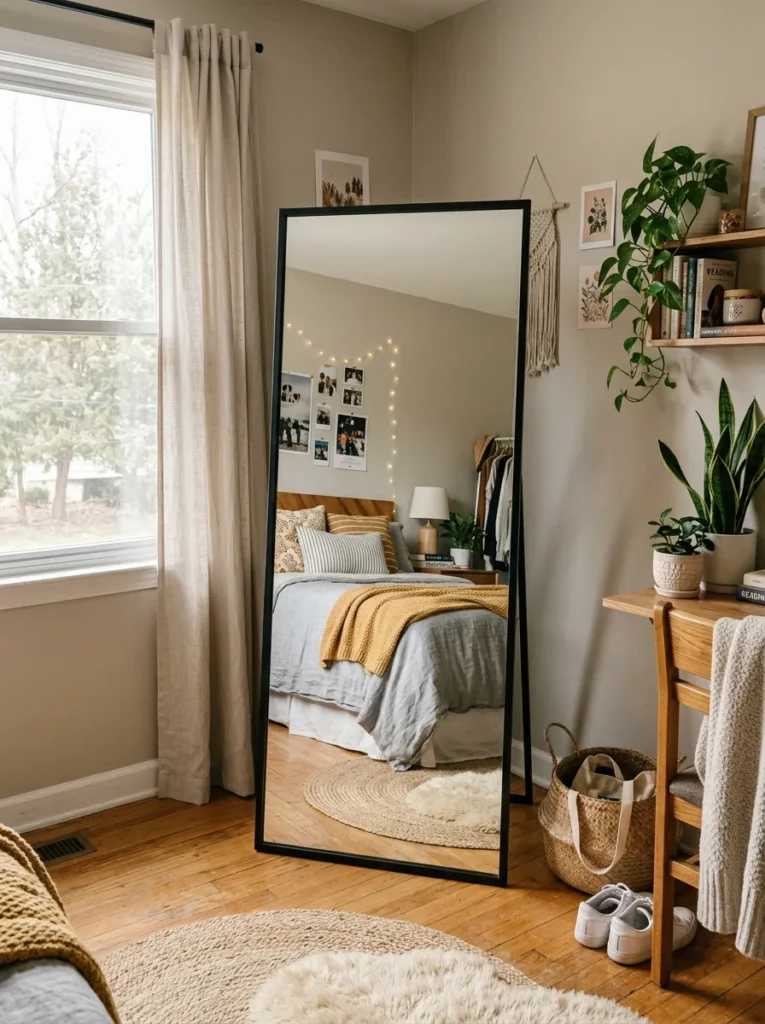
11. A Full-Length Floor Mirror
Small rooms need light and depth. A full-length mirror with a slim metal frame, leaned opposite the window, bounces daylight across the room and visually doubles the space. It also ends the “no full-length mirror” complaint forever.
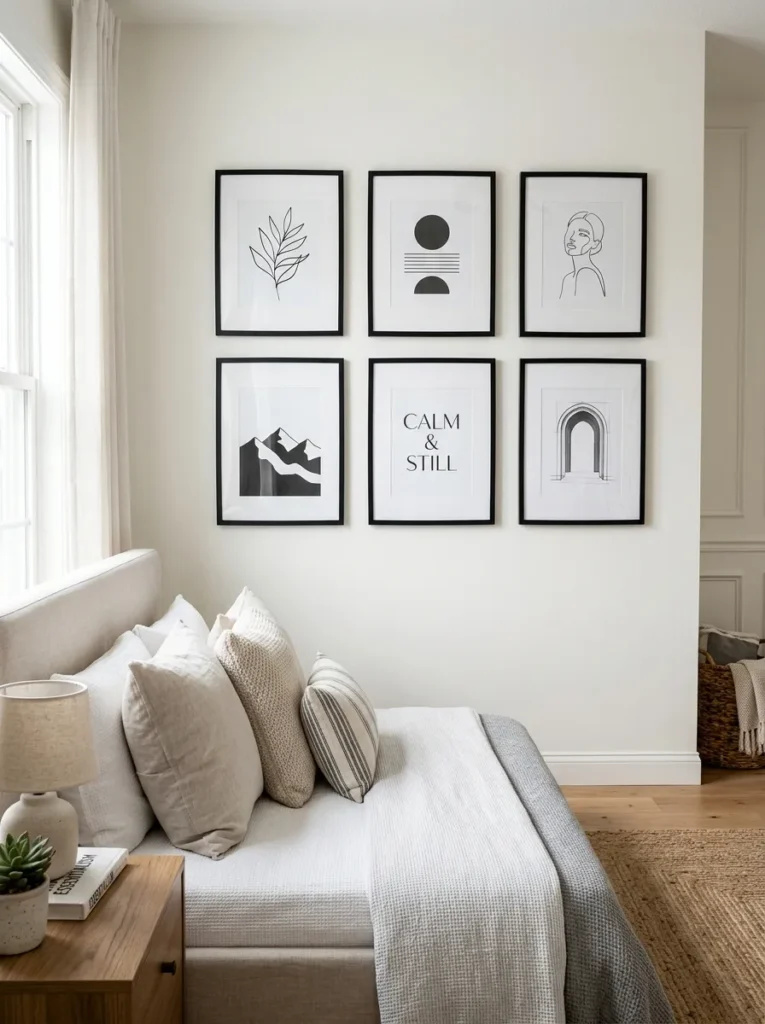
12. A Real Gallery Wall
Taped-up posters read as clutter. Get four or six matching minimal frames with wide white mats, print high-res black-and-white photos, graphic sketches, or album art at uniform sizes, and hang them in a precise grid. Hobbies become a tailored installation.
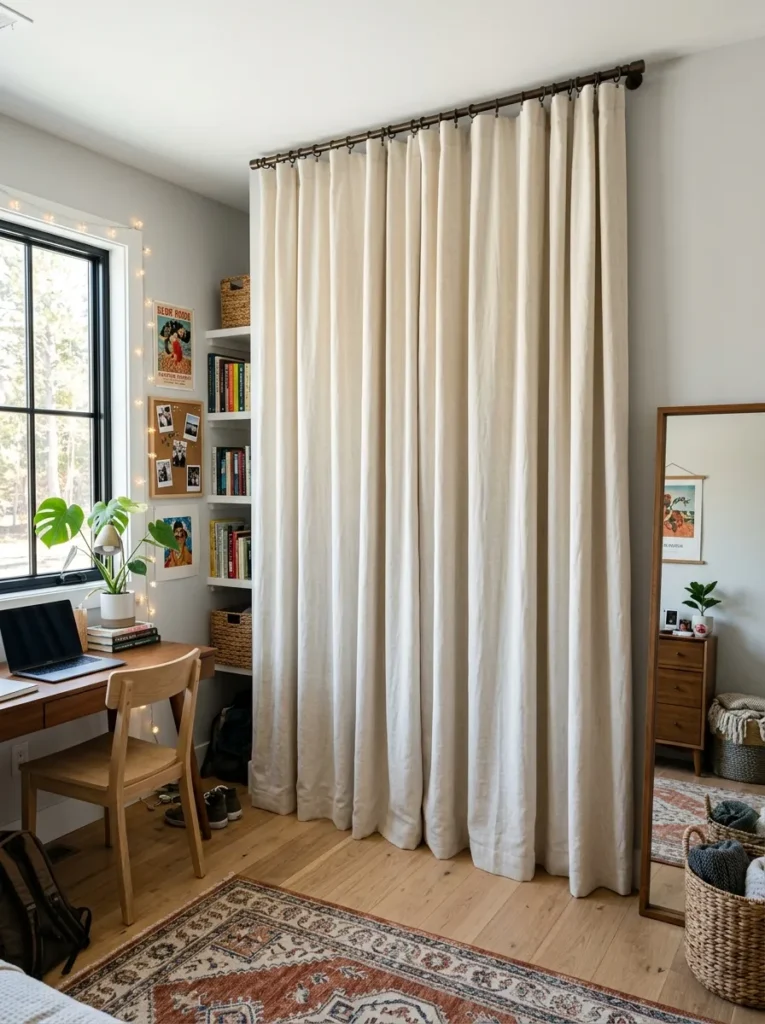
13. Curtains Instead of Closet Doors
Bi-fold doors are noisy, fall off tracks, and chop up the wall. Remove them, mount a sturdy iron rod across the opening, and hang heavy canvas or faux-linen panels floor-to-ceiling. Sliding them shut hides clothing chaos and adds a soft textile layer.
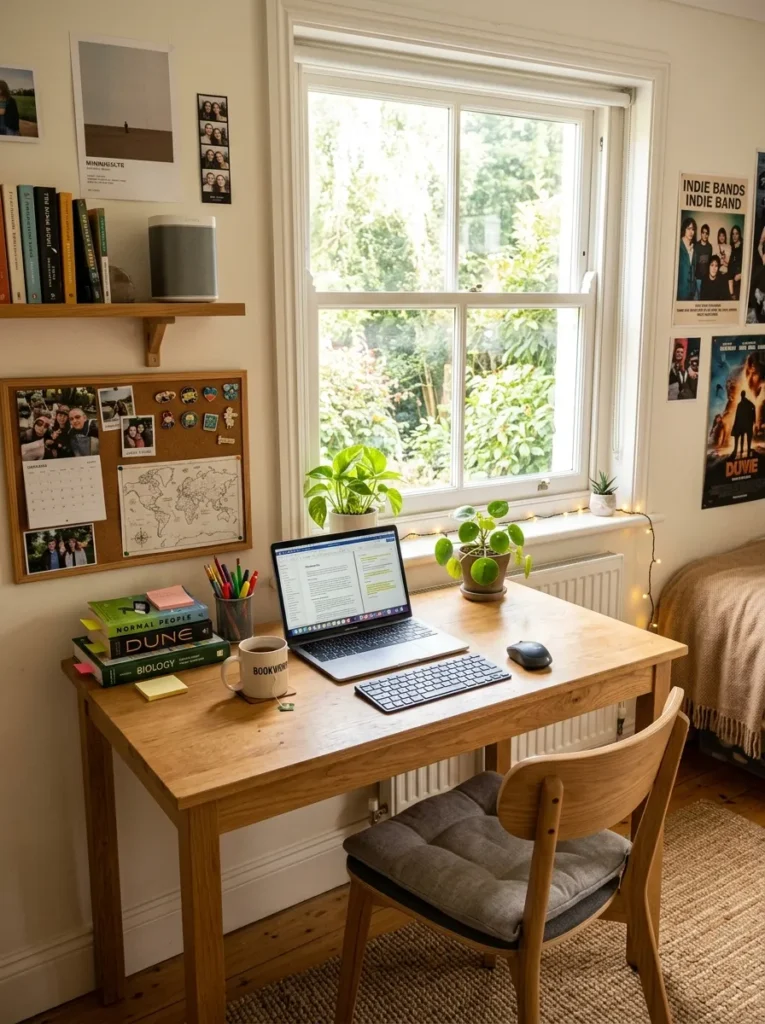
14. Move the Desk to the Window
A desk facing a dark corner drives teens to study on the bed. Shift it under the window — natural light across the workspace, less eye strain, and a view. Angle the monitor slightly away from the glass to kill glare.
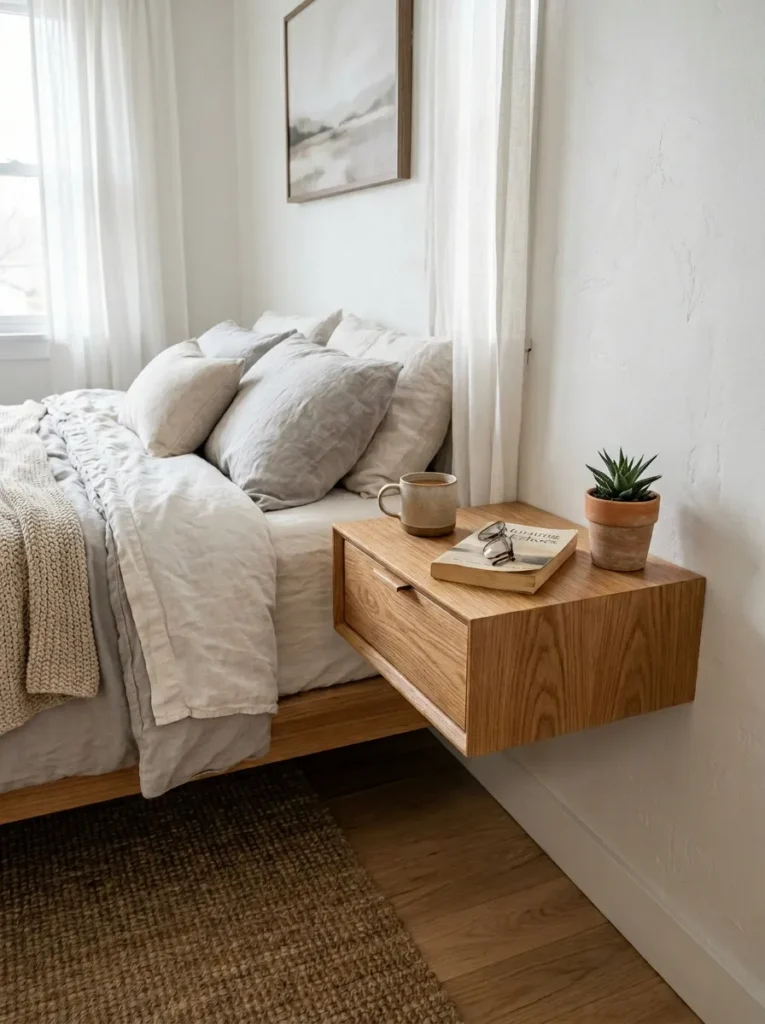
15. A Floating Nightstand
Bulky nightstands eat floor space. A wall-mounted wooden cube with a single drawer, set at mattress height, keeps the floor and baseboards visible — the room reads as airier, and vacuuming gets easier.
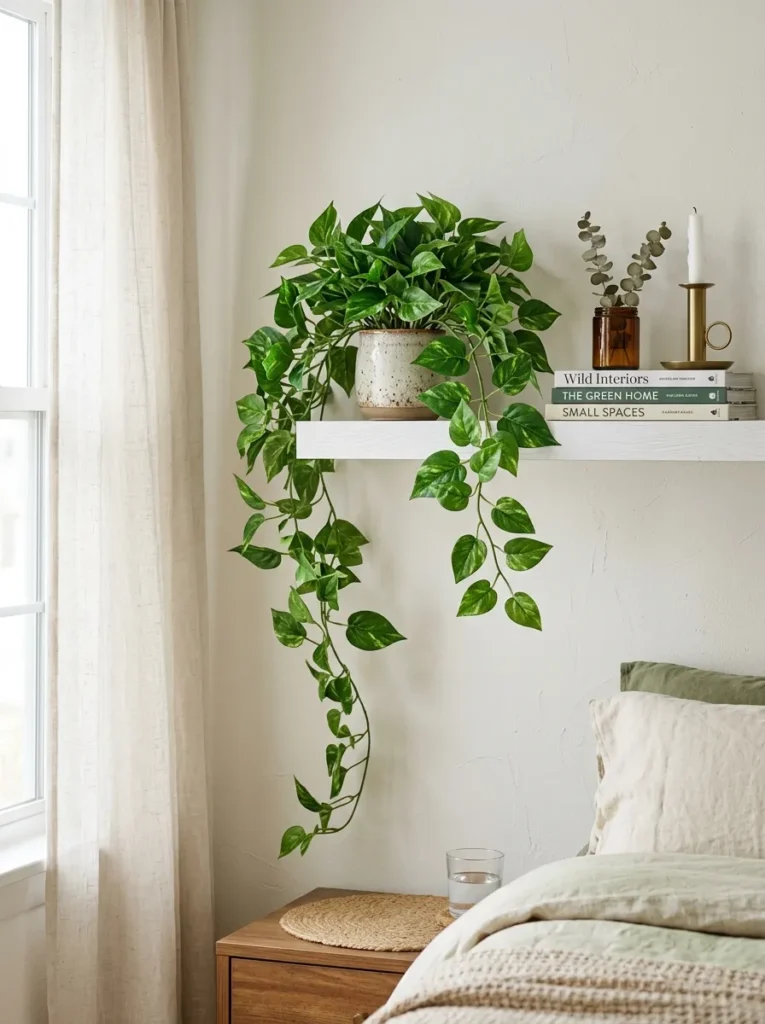
16. Faux Greenery (No Watering)
All-neutral rooms go sterile without something organic. A realistic faux trailing pothos in a ceramic or terracotta pot on a high shelf or desk corner — cascading green softens all the straight lines, zero maintenance required.
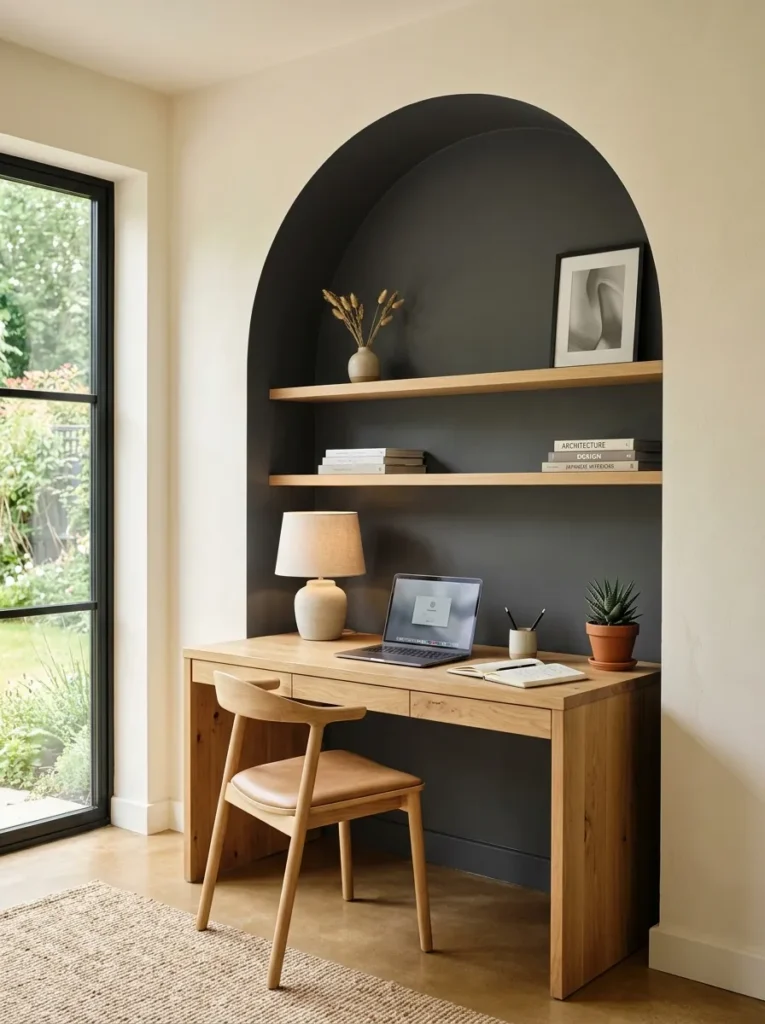
17. A Painted Arch to Zone the Room
Bed, desk, and hangout zones bleeding together feels chaotic. Paint a large arch on the wall behind the desk or headboard — pencil-and-string compass, one muted contrasting tone (charcoal, terracotta, olive). Instant visual zoning, no walls built.
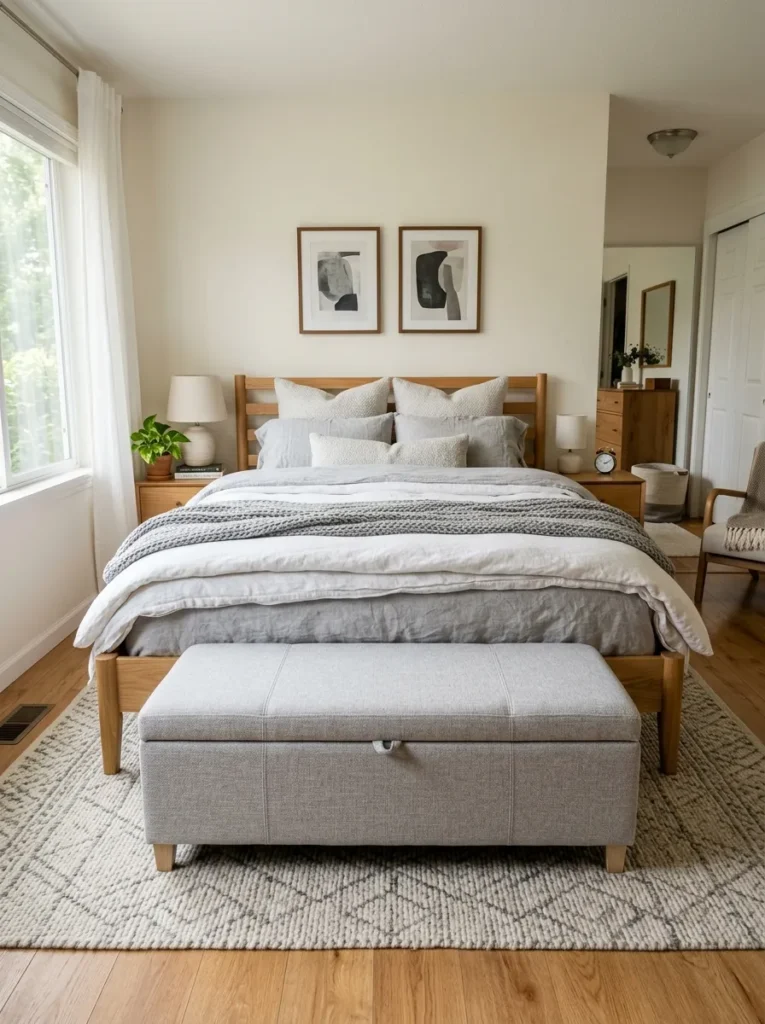
18. A Storage Bench at the Foot of the Bed
Friends need seating; floors need walking space. A long upholstered storage bench at the foot of the bed does both — lounge seating on top, sports gear and winter coats hidden inside. The bed gets a clear boundary, the room gets seating.
Budget Breakdown
You don’t need thousands. Spend on what gets used daily (bed, storage), save on what’s easy to swap later (art, rugs, accessories):
Bed frame: budget $120–250, mid $300–600, premium $700+.
Storage: budget $40–120, mid $150–350, premium $400+.
Desk: budget $60–150, mid $180–350, premium $450+.
Lighting: budget $25–80, mid $100–200, premium $250+.
Wall decor: budget $20–70, mid $80–180, premium $250+.
Design for Five Years From Now
Kids’ interests change fast. Buy flexible once instead of themed twice: convertible beds, adjustable shelving, neutral furniture finishes, removable wall decals instead of murals, modular storage cubes, interchangeable bedding and art. When the foundation is timeless, refreshing the room means new textiles — not new furniture.
Need to double the floor space entirely? Our loft bed ideas show 17 ways to build a desk, lounge, or wardrobe under the mattress.
Quick Answers
How do I make a kid’s room feel more grown-up?
Bedding first (washed cotton/linen in mineral tones), then lighting (hidden LEDs, real task lamp), then walls (one cohesive color, gallery grid instead of taped posters). Those three change the age of the room overnight.
What’s the best bed for a teenager’s small room?
A low platform bed keeps the room feeling open; a loft bed doubles the usable floor. Avoid tall footboards — they visually shrink the space.
How can I update a teen’s room on a tight budget?
Paint (one color, everywhere), textiles (bedding, rug, curtains), and lighting (LED strips, new shade). Under $300 total if the furniture stays.