Minimalism has earned an unfair reputation over the years. Scroll through enough social media feeds and you’ll eventually come across homes that look more like art galleries than places where people actually live. Everything is perfectly arranged, yet somehow the rooms feel cold, untouchable, and strangely empty.
That isn’t what true minimalist luxury is supposed to feel like.
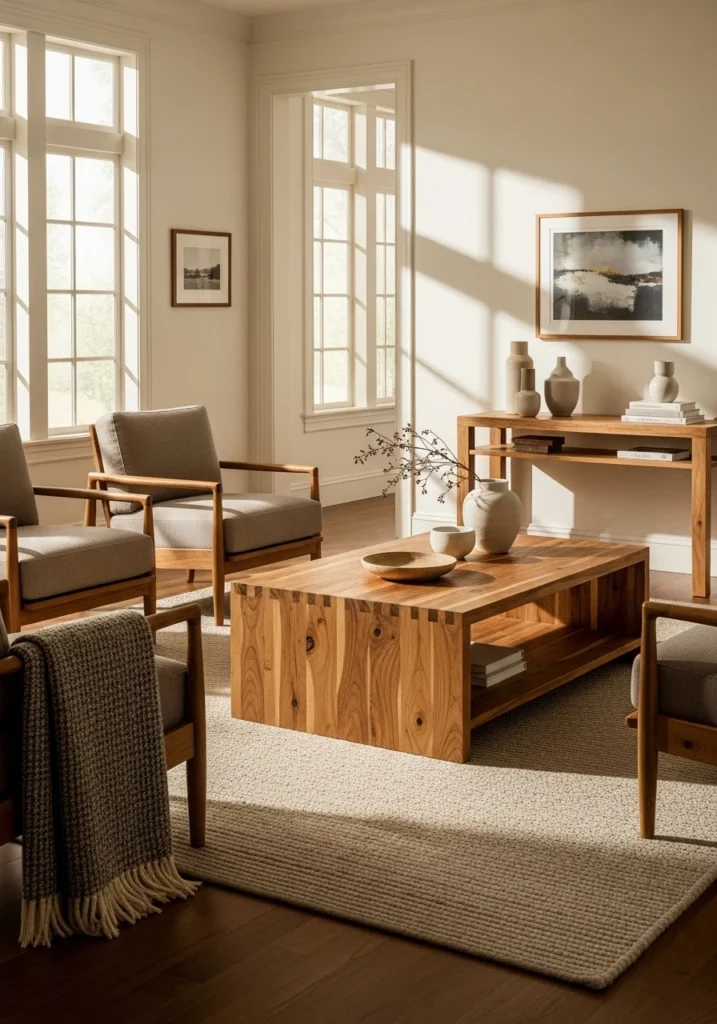
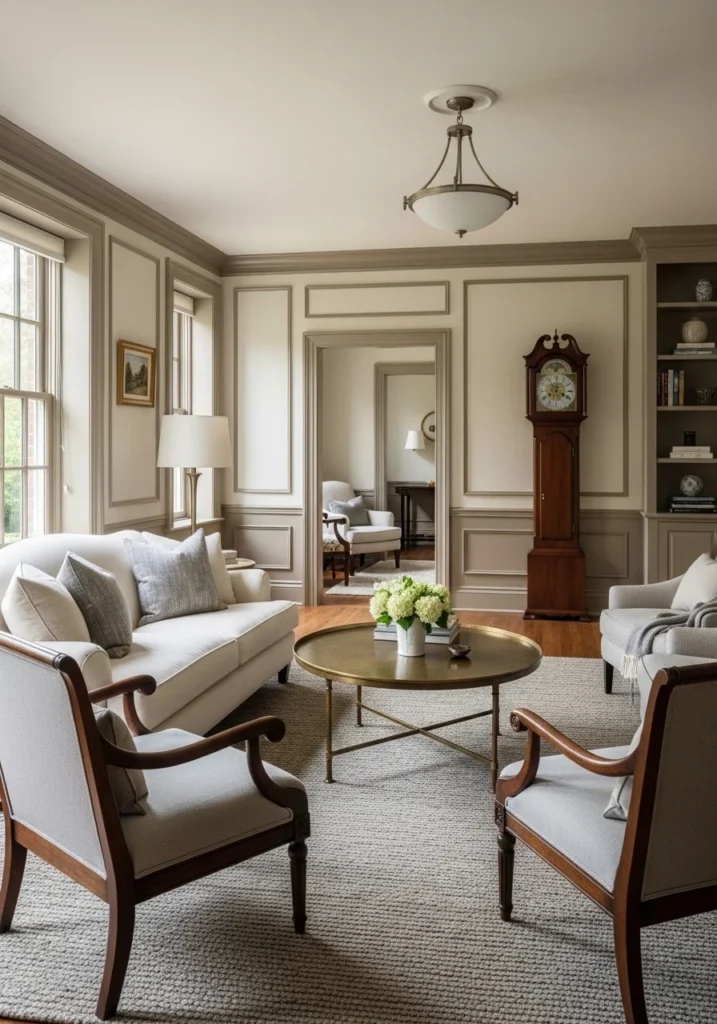
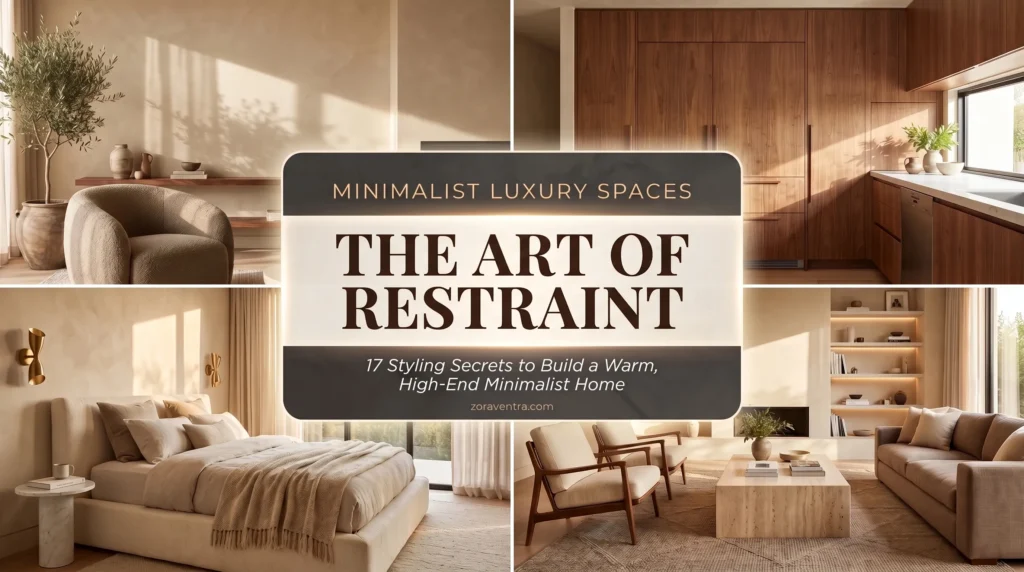
The most inviting minimalist homes rely on rich materials, thoughtful architecture, and carefully layered textures instead of excessive decoration. Rather than filling every corner, they focus on giving every piece a purpose. When natural stone, warm woods, soft fabrics, and clean lines work together, the result feels calm, sophisticated, and genuinely comfortable to live in.
This guide explores the design decisions that create that balance, showing how restraint can make a home feel warmer—not emptier.
1. The Movement Wall: Roman Clay Finishes
Flat, chalky white paint can make an expansive wall plane look stark and dimension-less, mimicking the cold atmosphere of a commercial office building. To introduce physical warmth into the main lounge, apply a soft Roman clay or limewash finish to the drywall. Applied using a trowel in repetitive, overlapping strokes, it creates a smooth, matte surface with subtle, cloudy tonal variations. This organic movement catches shifting natural light throughout the day, providing visual depth and a stone-like texture without needing a single piece of hanging wall art.

2. Hidden Culinary Architecture: Integrated Wood Paneling
A modern kitchen can quickly lose its design cohesion when stainless steel refrigerators, bulky microwaves, and cluttered small appliances break up the perimeter lines. Achieve a pristine finish by concealing everyday appliances entirely behind flush, handle-less wood paneling. Utilize heavy-duty push-to-open hardware mechanisms to eliminate the need for external metal pulls. When closed, the entire refrigeration and pantry zone reads as a continuous, architectural wall of rich oak or walnut grain, preserving total visual silence across the cooking layout.

3. The Low-Profile Anchor: Linen Platform Beds
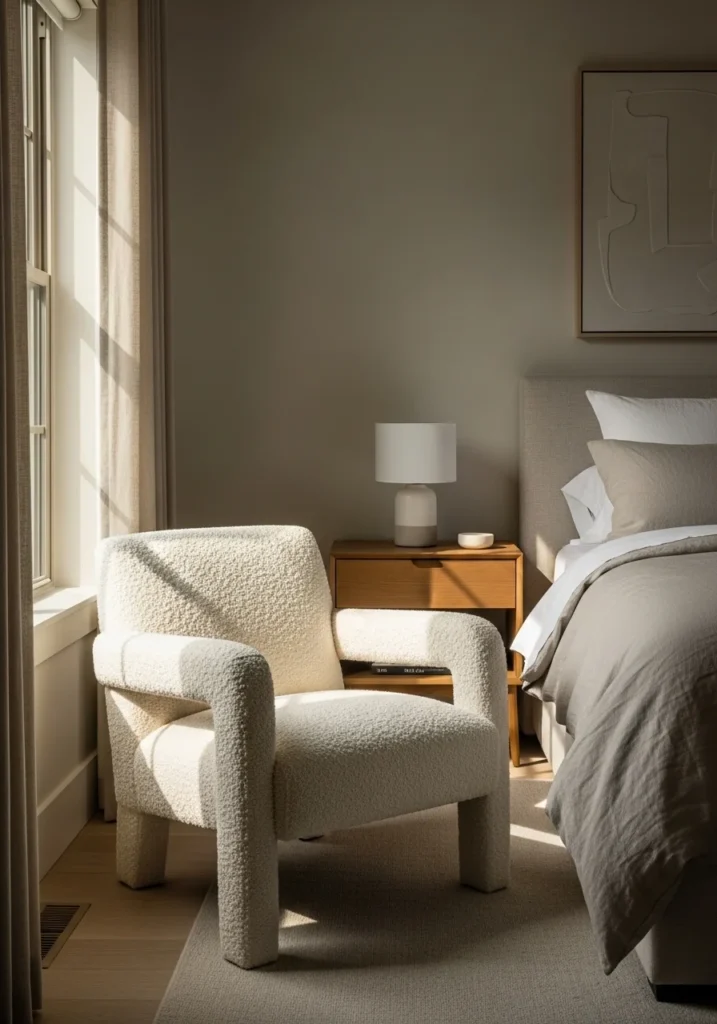
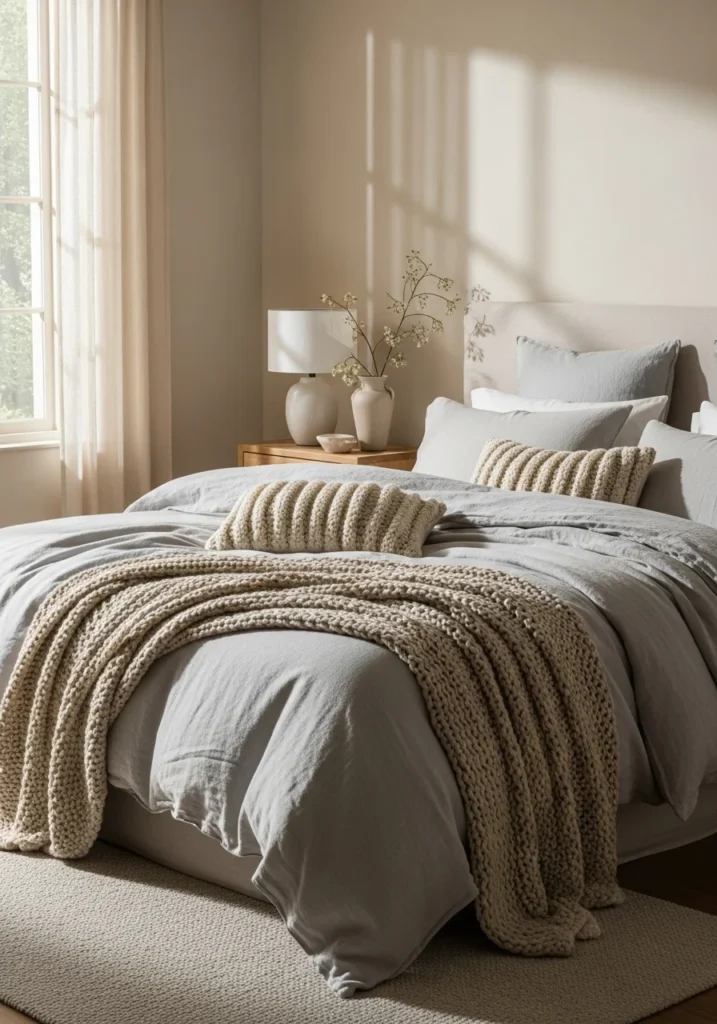
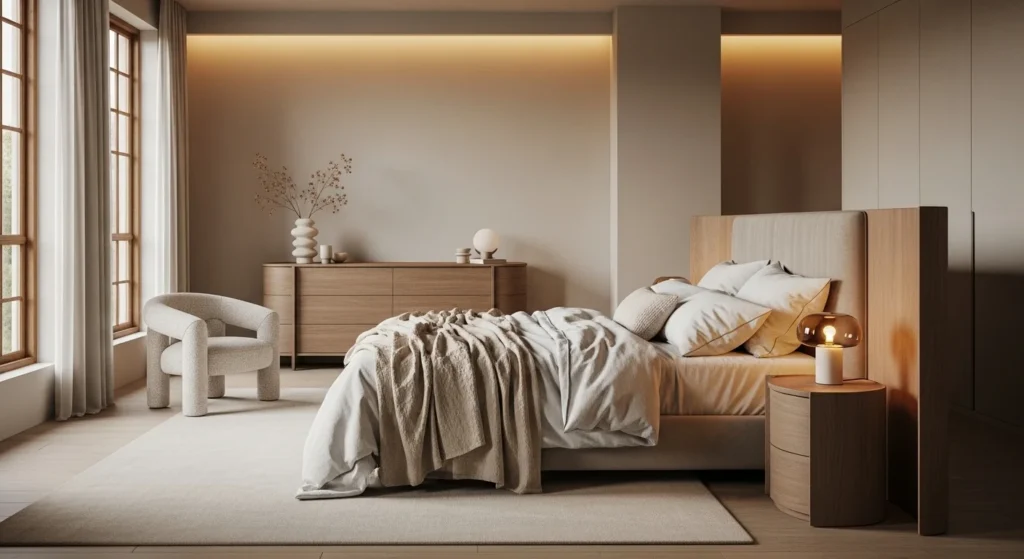
Ornate headboards, glossy wood frames, and heavy footboards can crowd the layout of a master suite, pulling focus away from the room’s primary purpose: rest. Anchor a peaceful, restful environment by selecting an oversized, low-profile platform bed wrapped entirely in a heavily textured, un-dyed linen fabric. The low stance opens up the vertical airspace toward the ceiling, making the architecture feel grand. Choose a platform frame that extends six to eight inches past the mattress edge to create a wide, upholstered perimeter that serves as a soft, structural anchor for the sleeping zone.

Luxury Materials That Actually Feel Luxurious
Luxury doesn’t come from expensive labels—it comes from materials that age beautifully and improve with use.
| Material | Why Designers Choose It |
|---|---|
| Solid White Oak | Warm grain that develops character over time |
| Walnut | Rich depth for kitchens and built-ins |
| Travertine | Soft natural movement that never feels trendy |
| Roman Clay | Adds texture without visual clutter |
| Linen | Breathable, relaxed and timeless |
| Bouclé | Creates softness without adding pattern |
| Honed Marble | Elegant finish with less glare than polished stone |
Instead of buying more décor, upgrading one material often changes the entire atmosphere of a room.
4. Monochromatic Layering: Tactile Textile Depth
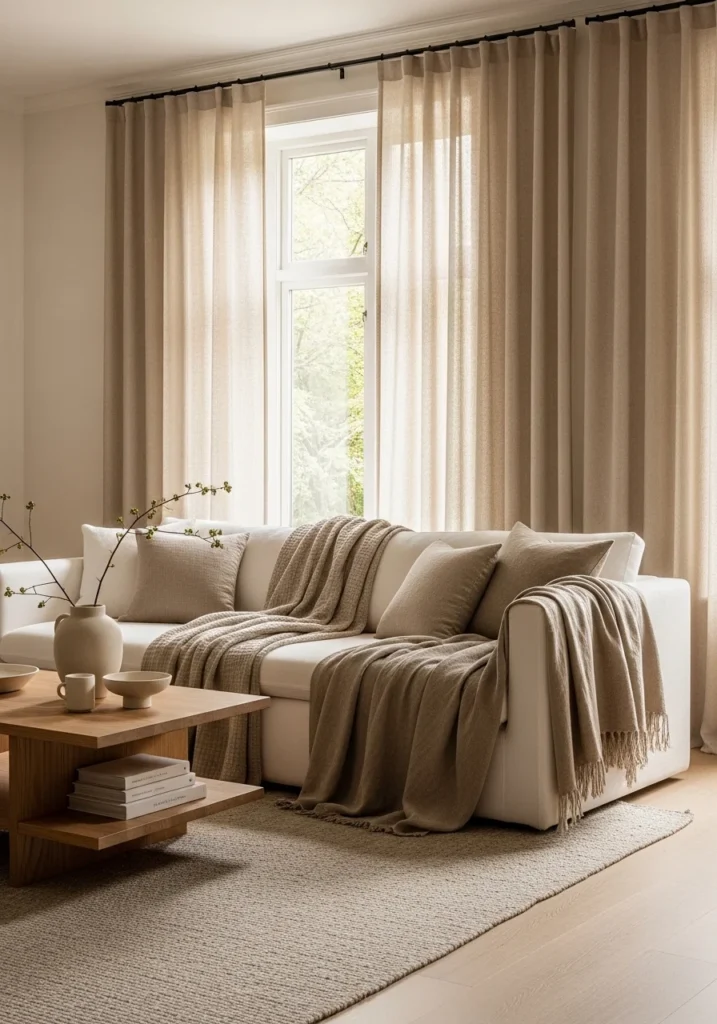
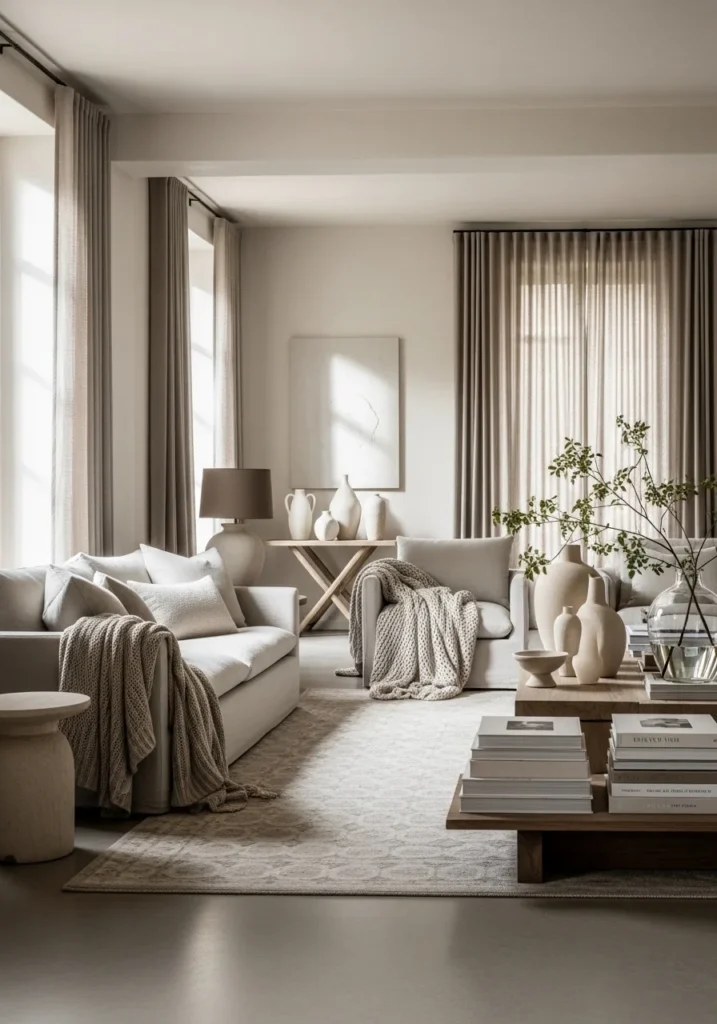
Sticking to a strict single-color palette can make a seating layout feel flat and uninspired if every fabric possesses the exact same sheen and surface finish. Master the art of simple sophistication by implementing deep monochromatic layering. If your primary color profile is warm sand, mix an array of varied tactile materials within that single tone. Pair a low-slung bouclé sofa with a flat-weave wool area rug, raw linen throw pillows, and a brushed suede lounge chair. This variation in surface texture introduces rich physical depth, keeping the environment cozy rather than clinical.

The Texture Formula That Keeps Minimalism From Feeling Cold
Minimalist rooms become inviting when different textures replace decorative clutter.
A simple formula designers often follow is:
- One smooth surface (stone, plaster, or glass)
- One natural wood finish
- Two soft textiles
- One woven or organic element
- One matte metal finish
When every material has a different texture—even within the same color palette—the room feels layered instead of empty.
5. Functional Visual Art: Statement Sculptural Lighting
When you remove traditional decorative items like small frames, figurines, and busy pattern prints, a room needs a primary focal point to guide the eye safely through the space. Incorporate art directly into your architecture using oversized sculptural light fixtures. Suspend a large, asymmetrical mobile pendant crafted from matte black metal, or mount a singular, oversized plaster dome sconce that throws a soft, indirect halo of light against the ceiling plane. The fixture behaves like a high-end gallery sculpture during daylight hours, transforming into an ambient light source at night.

6. The Visual Disappearance: Flush Inset Baseboards
Standard decorative wooden baseboards protrude from the wall surface by a quarter-inch, creating a horizontal dust ledge and a traditional trim outline that breaks the clean vertical line of a wall. Elevate your architectural footprint to a premium tier by specifying flush inset or reglet baseboards during renovations. This technique involves installing a recessed aluminum channel at the foot of the drywall, allowing the wall surface to sit perfectly flush with the flooring material. The baseboards virtually disappear from view, providing a clean vertical plane that emphasizes the raw geometry of the room.

7. Floating Horizontals: Wall-Mounted Entertainment Units
Traditional media consoles with multiple legs, glass doors, and visible cable pathways add immense visual weight to the floor plane, cutting off walkways in a family room. Streamline your entertainment layout to support a clean, open experience by installing a wall-mounted floating credenza. Select a low-profile cabinetry box constructed from a solid matte material that matches your wall color or primary wood tone. Mounting the unit directly to the wall studs lifts the furniture entirely off the ground, keeping the floor plane continuous and open right to the baseboards.

8. Graphic Grounding: Solid Stone Coffee Tables
Lightweight wood or glass coffee tables can lack the presence required to anchor a large room layout, sometimes making minimalist seating clusters feel ungrounded. Incorporate a solid structural anchor by centering a monolithic, low-profile coffee table cut entirely from a single block of honed travertine, limestone, or Arabescato marble. The raw, unpolished stone introduces graphic natural veining patterns and immense physical weight to the center of the lounge zone, grounding the surrounding soft textiles and serving as a functional piece of earth art.

You Don’t Need a Luxury Budget
Many of these ideas can be recreated without investing in custom architecture.
Instead of:
- Solid travertine coffee table
Try:
- Travertine-look porcelain
- Limewash paint instead of Roman clay
- IKEA cabinets with custom fronts
- Linen-blend curtains instead of pure linen
- Quartz instead of marble
The goal isn’t copying luxury homes exactly—it’s borrowing the design principles behind them.
9. Structural Softness: Ceiling-to-Floor Sheer Drapery
Exposed window frames and bare glass panes can look stark and echo heavily, stripping a sleeping or dining layout of the acoustic dampening required for true comfort. Soften the boundaries of your room by installing a continuous track of ceiling-to-floor sheer linen drapery panels. Conceal the curtain track inside a recessed ceiling pocket so the fabric appears to drop directly out of the architecture. Choosing a loosely woven, semi-translucent flax linen filters harsh sunlight into a soft, diffused glow while absorbing room echoes to cultivate absolute quiet.

10. Floor-to-Ceiling Visual Silence: Handle-Less Wardrobes
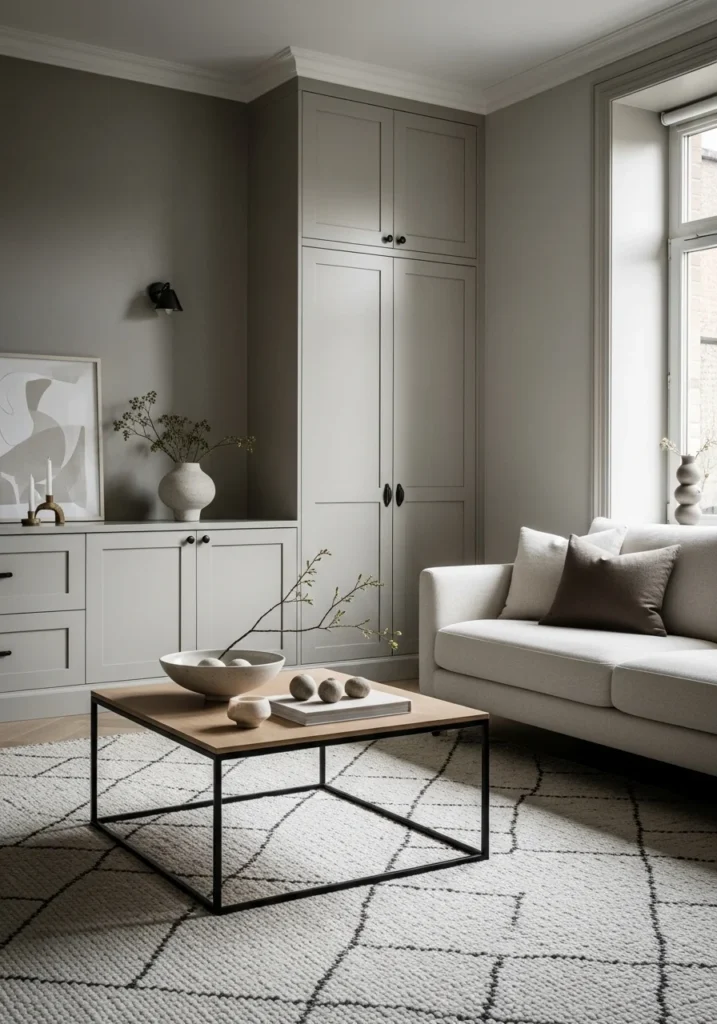
Traditional standalone closets or wardrobes with decorative crown moldings and protruding metal handles break up the physical boundaries of a room, creating heavy protrusions that crowd the floor plan. Develop a serene, uninterrupted landscape in the bedroom by installing full-height, floor-to-ceiling wardrobe doors. Ensure the doors are painted the exact color and matte sheen as the surrounding drywall. By utilizing touch-latches or hidden integrated J-pull profiles instead of traditional hardware knobs, the entire storage system reads visually as a flat, structural wall plane.

11. Monolithic Countertop Horizons: Seamless Waterfall Islands
Kitchen layouts frequently look busy due to multiple intersecting lines—backsplashes, grout joints, visible cooktop trim, and contrasting countertop edges that segment the surfaces. To foster an immaculate environment in the cooking space, specify a monolithic waterfall island cut from a single raw material, such as honed quartz or solid marble. Ensure the countertop material wraps over the outer edge and drops vertically straight to the floor using precise 45-degree mitered joints. This continuous wrapping technique gives the island the presence of a solid stone sculpture block anchoring the center of the workspace.

12. Linear Architectural Illumination: Concealed Plaster-In Coves
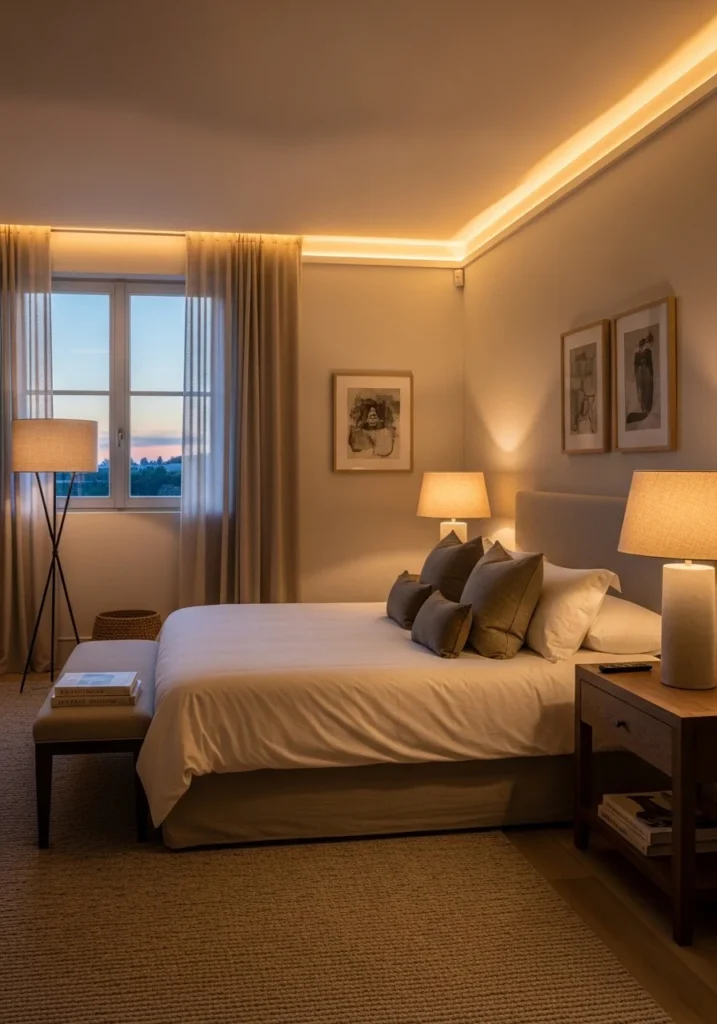
Standard decorative track lighting or protruding spotlight canisters can create intense hotspots on floors and add unwanted metallic shapes to a clean ceiling plane. Elevate your lighting design by installing concealed plaster-in linear LED channels along the upper junctions of your walls. These architectural tracks are plastered directly into the drywall structure, making the fixture housing entirely invisible. When turned on, the dimmable LED ribbon washes the entire wall surface in a soft, indirect sheet of light that reduces harsh shadows and emphasizes wall textures.

13. Singular Large-Scale Curation: Art as Architecture
Grouping multiple small, framed art pieces into a busy gallery wall introduces a high frequency of intersecting lines and frames that can disrupt the calm of a room. For an upscale, gallery-inspired interior, replace small frames with a singular, oversized piece of abstract art or monochrome canvas photography. Mount the single large work centrally on an expansive, bare Roman clay or plaster wall, allowing at least three to four feet of empty space on all sides. The massive scale of the artwork fills the room’s visual demand cleanly, acting as an intentional architectural feature rather than casual decor.

Minimalist Luxury Mistakes to Avoid
Many homes miss the mark because they remove too much instead of editing thoughtfully.
Avoid these common mistakes:
- Using only flat white paint without texture
- Choosing furniture that is too small for the room
- Mixing too many wood finishes
- Decorating every shelf
- Using bright cool lighting throughout the home
- Buying inexpensive décor instead of investing in fewer quality materials
Luxury minimalism feels intentional, never unfinished.
14. Integrated Wall Cavities: Recessed Pocket Doors
Standard swinging interior doors require a significant amount of clearance radius to open and close, which can block furniture placement paths and segment narrow hallways. Streamline transitions across the home layout by specifying track-mounted interior pocket doors that slide directly into the drywall cavity. Utilize trimless, handle-free magnetic latches that allow the door panel to sit completely flush inside the wall when opened. This structural modification unifies adjoining rooms into a single continuous space, allowing light and air to move without physical barriers.

15. Cast Monoliths: Micro-Cement Fireplace Faces
Traditional fireplaces layered with brick molding, wood mantels, corbels, and decorative stone hearths insert a traditional aesthetic that can conflict with modern furniture lines. Achieve a contemporary look in your living room by finishing your fireplace surround in a seamless layer of smooth micro-cement or micro-topping. Run the smooth concrete finish continuously from the floor straight up to the ceiling plane, completely omitting the decorative mantel shelf. The lack of ledges prevents the accumulation of loose keys, frames, or candles, preserving a clean, sculptural fireplace anchor.

16. Technical Visual Disappearance: Motorized Ceiling Projectors
Mounting a massive, glossy black television screen directly to a primary wall can create a large dark void that disrupts a soft, monochromatic color scheme during non-viewing hours. Preserve your design integrity throughout your living spaces by utilizing a motorized drop-down projection system. Conceal the projection screen housing inside a recessed ceiling pocket behind a flush motorized flap door. When the entertainment zone is active, the screen lowers out of the ceiling track via remote control; when turned off, it retracts completely back into the ceiling frame, leaving your vertical walls entirely clear.

17. Zero-Boundary Wet Rooms: Linear Tile-In Drains
Traditional stepped shower basins with thick acrylic curbs and center circular drains segment a bathroom floor, making compact layouts feel partitioned and small. Execute a beautiful design layout centered on seamless principles by planning a zero-threshold curbless wet room. Pitch the floor tile at a continuous, slight slope toward a long, linear tile-in infinity drain positioned flush against the back wall. Because the floor tile runs uninterrupted straight into the shower zone without a step, the entire bathroom reads as a single monolithic stone surface, maximizing the visual layout cleanly.

The Five Layers Every Minimalist Luxury Room Needs
Before adding decorative accessories, make sure each room already has these foundational layers:
✓ Architectural texture (Roman clay, wood slats, limewash)
✓ Natural materials (wood, stone, linen)
✓ Soft lighting (wall washing, concealed LEDs, warm lamps)
✓ Functional storage (hidden cabinetry, floating furniture)
✓ One sculptural focal point (lighting, artwork, or furniture)
When these five layers are present, the room naturally feels complete without requiring excessive decoration.
The Minimalist Luxury Spatial Guide
| Space | Core Architectural Feature | Primary Functional Benefit | Tactile Material Focus |
| Living Space | Micro-Cement Overlays & Floating Units | Eliminates visual weight and ledge clutter on floors | Roman clay, honed travertine block, soft wool weavers |
| Kitchen Space | Integrated Wood Panels & Waterfall Edges | Hides technical appliances behind a continuous wood grain line | Walnut paneling, mitered quartz slab, push-to-open latches |
| Bedroom Space | Low Platform Beds & Flush Wardrobes | Reclaims vertical airspace; unifies wardrobe storage into wall planes | Un-dyed flax linen, matte painted wood, sheer textile weave |
Designing with Intent: Finding Balance in the Details
At the end of the day, transforming your home into a refined, minimalist retreat shouldn’t feel like an exercise in deprivation. True minimalism is not about seeing how much stuff you can throw away; it is about protecting your peace of mind by intentionally choosing what you allow to remain.
When you stop trying to fill every empty corner with fast-decor clutter and start focusing on high-tactile materials, integrated storage, and seamless architectural lines, the atmosphere of your home instantly shifts. You don’t have to live in a cold, uninviting gallery to enjoy a clean aesthetic. By leaning into the warmth of natural stone, the softness of layered fabrics, and the quiet elegance of hidden utilities, you can build a space that doesn’t just look beautifully designed—it feels like a genuine, grounding sanctuary.