
You walk past your bookshelf every single day – from the sofa, the hallway, sometimes the kitchen. Most of the year it just sits there, holding books and a few random objects.
Spring is the season to change that. With a few thoughtful swaps – pastel eggs, fresh tulips, a bunny figurine, a warm candle – it becomes the most noticed corner in the house, the kind people walk past and stop at.
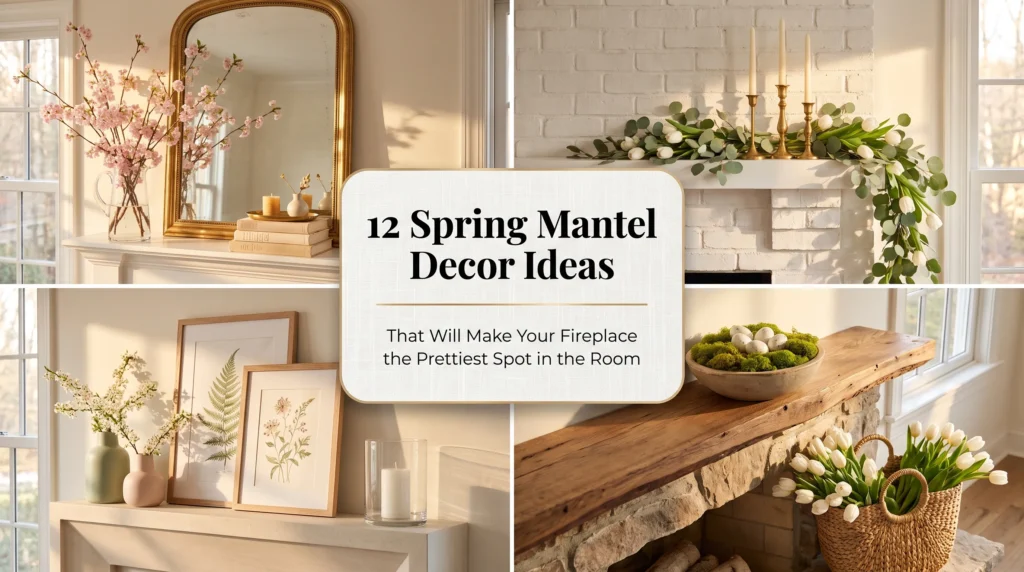
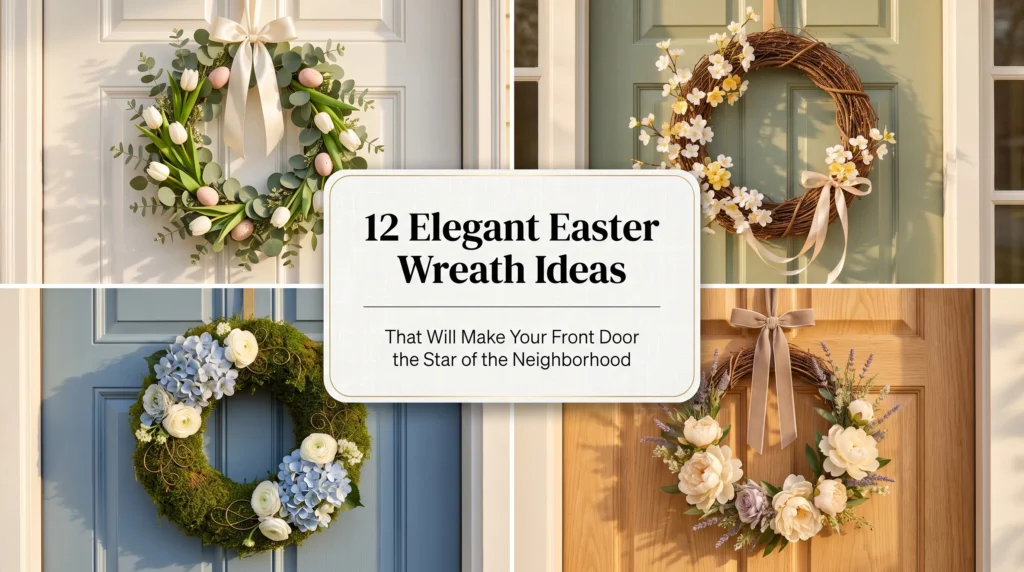
These eight ideas are warm, visual, and doable on a real budget. If the rest of the house is getting the spring treatment too, these elegant Easter wreath ideas will handle the front door while the shelves do the talking inside – and these spring shelf styling ideas carry the same palette through the living room. Got little ones? Easy Easter crafts for kids make handmade shelf pieces no store can match.
Let us make something beautiful.
1. Pick a Palette Before You Place a Single Thing
This is the step most people skip, and it is why seasonal shelves look scattered instead of designed. Before you touch anything, choose two or three colours and commit – blush pink with cream and sage, dusty lavender with warm white and wood, or butter yellow with soft mint and linen.
Use the palette as a filter for everything: eggs, candles, florals, books, ceramics. When every piece speaks the same colour language, the shelf looks intentionally designed. Two minutes of deciding now saves an hour of rearranging later.

2. Let Your Books Do Some of the Styling
Do not just push decor in front of your books – their spines are colour, texture, and height all at once. Cluster books with spines in your palette together, and stack three or four horizontally as a riser: top it with an egg or figurine for an instant focal point that costs nothing.
Turn a few books spine-in so the cream page edges face out. That soft neutral block makes every colourful piece beside it pop.

3. Give the Shelf One Clear Focal Point
Every great display needs one anchor – the object the eye finds first. A bunny figurine does the job perfectly: a flocked bunny in emerald, cobalt, or mustard feels grown-up and editorial, while a large matte white ceramic bunny with breathing room looks quietly sophisticated.
Build around it, not in front of it – a book stack to one side, a candle on the other, a few loose stems, a speckled egg at its feet. That little character is what makes people smile, and that smile is the whole point.

4. Mix Tall, Medium, and Low on Purpose
Height variation is what separates a designed shelf from a shop counter. Go tall on one end (a slim vase with tulip stems), medium in the centre (a book-stack riser with an egg bowl), low on the other (a moss pot or woven nest) – then add one horizontal element, like eucalyptus laid flat or a trailing plant over the edge.

5. Lean Into Farmhouse Textures
For farmhouse or cottage homes, build the shelf on natural textures – aged wood, rattan, terracotta, dried botanicals, linen, jute. Then keep it from getting too sweet with one unexpected detail: a worn cutting board at the back, dark bronze holders beside white bunnies, or charcoal-painted eggs among the pastels.

6. Spread Your Flowers Across the Shelves
One big vase gives you one floral moment; small doses everywhere give you a shelf in bloom. Try tulips up top, a single ranunculus in a bud vase mid-shelf, dried pampas grass down low, eucalyptus laid flat as a connecting thread, and a trailing pothos at the base.

7. Add Candles for Evening Glow
By day, candles are decor – a brass taper holder, a pillar on a ceramic dish, pastel wax in glass. Come evening, the glow catches your eggs, lights bud vases from inside, and warms every texture. Warm brass or bronze holders with blush, sage, or cream candles is the combination to reach for.

8. Finish With Something Only You Own
Once everything is placed, add one personal piece – a framed photo, your child’s hand-painted egg, a market find, garden flowers tied with twine. The trend is away from spaces that look purchased and toward spaces that feel collected. One meaningful object beats a shelf of beautiful things that mean nothing, and it costs nothing.

Six Rules Worth Keeping
Keep these close before you start rearranging – they make every decision easier:
- Decide the palette first. Two or three colours, and every piece must pass the palette test.
- Group in odd numbers. Three eggs, five objects, seven stems – odd groupings feel gathered, even ones feel rigid.
- Vary heights deliberately. Tall on one end, medium in the centre, low on the other, plus one horizontal element.
- Leave breathing room. Empty space is not wasted – it lets each piece be properly seen.
- One focal point per shelf. Everything else on that level supports the anchor.
- Step back and look from across the room. Balance problems invisible up close show up instantly from a distance.
Quick Answers
How can I decorate my bookshelf for Easter without buying much?
Shop your home first: turn books spine-in, stack a few as risers, fill one bowl with eggs you own, and borrow a candle from another room. Then buy only the one thing that pulls it together – usually tulips or a single bunny figurine.
What colours work best for Easter shelf decor?
Muted, grown-up pastels: blush with cream and sage, dusty lavender with warm white and wood, or butter yellow with soft mint. Pick two or three and commit to them completely.
How do I keep my shelves from looking cluttered?
One focal point per shelf, breathing room around every piece, and odd-numbered groupings. When in doubt, remove one thing instead of adding another.
When should I put up Easter shelf decor?
Early to mid-March is ideal – it lands with the first spring flowers and lasts through Easter. Keep the palette spring-neutral and the same arrangement carries into May.
Final Thoughts
Your bookshelf holds what you chose to keep – the books you read, the objects you collected. Styling it for spring is a small, deliberate way to make everyday life more beautiful.
Start with one shelf. Pick a palette, choose one focal piece, add height, tuck in florals, light a candle in the evening. Small beautiful things are what make a house feel like home.