15 Christmas Outdoor Lighting Ideas (No. 1 Lights Up the Whole Street)
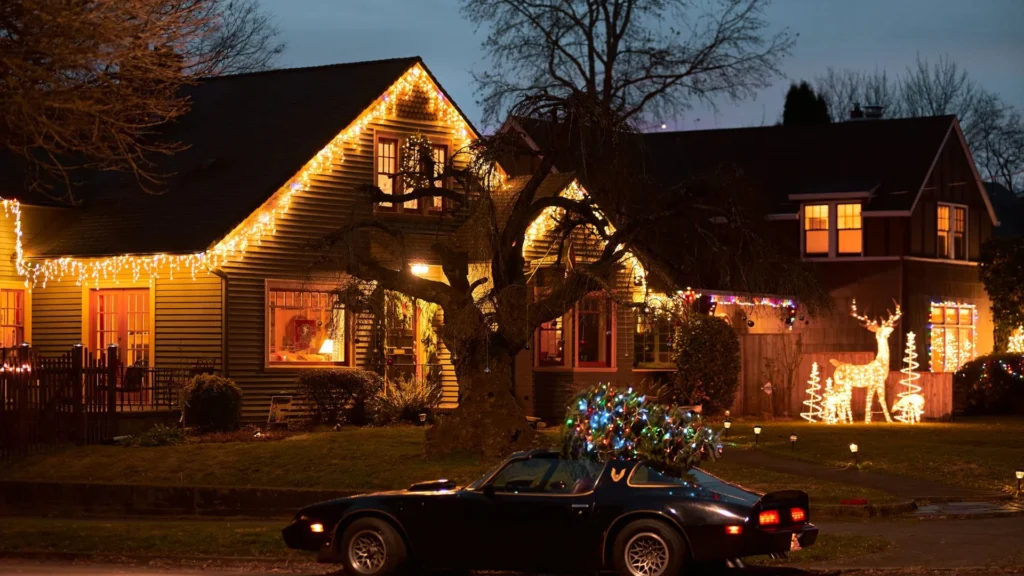
There is a moment every December when the street goes dark and one house switches its lights on — and suddenly the whole road feels like Christmas. Outdoor lighting is the fastest way to get that feeling at your own home: a warm roofline, a glowing tree, a path lit just enough to welcome people in.
These fifteen ideas are all about light — string lights, icicles, lanterns, lit figures and glowing trees — and every one of them works on its own, so you can start with a single strand and add a little more each year.
If you are planning the whole front of the house, start with our Christmas outdoor decor ideas for the bigger picture, then dress the entrance with our winter front porch decor — and our Christmas window decor ideas will carry the glow right through the glass.
1. Outline the Roofline With String Lights
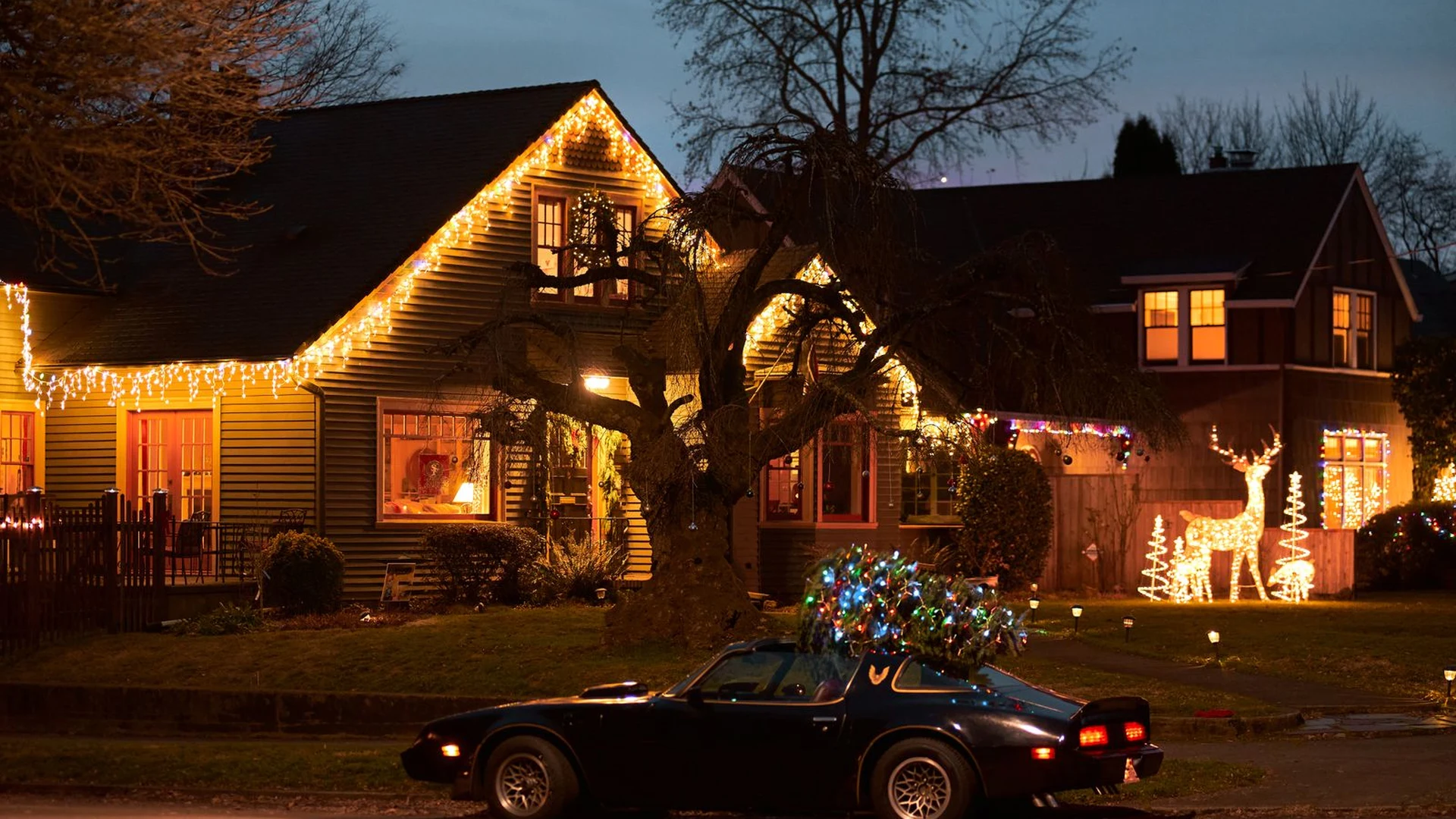
The roofline is the single most effective place to put outdoor Christmas lights: one neat line of bulbs along the eaves outlines the whole house and can be seen from the end of the street. Warm white reads classic and calm; multicolour reads playful and bright — pick one and stick to it, because a mixed roofline looks accidental rather than designed.
Use outdoor-rated LED string lights and clip them to the gutters or eaves with plastic gutter clips rather than nails or staples, which damage both the lights and the house. Work from one end to the other in a single run where you can, and step back to the pavement to check the line before you fix the last clips.
Tip: Measure the roofline with a piece of string first, then buy lights a little longer than you need — a strand that falls short by a metre is far more annoying than a spare loop tucked behind a downpipe.
2. Hang Icicle Lights From the Eaves
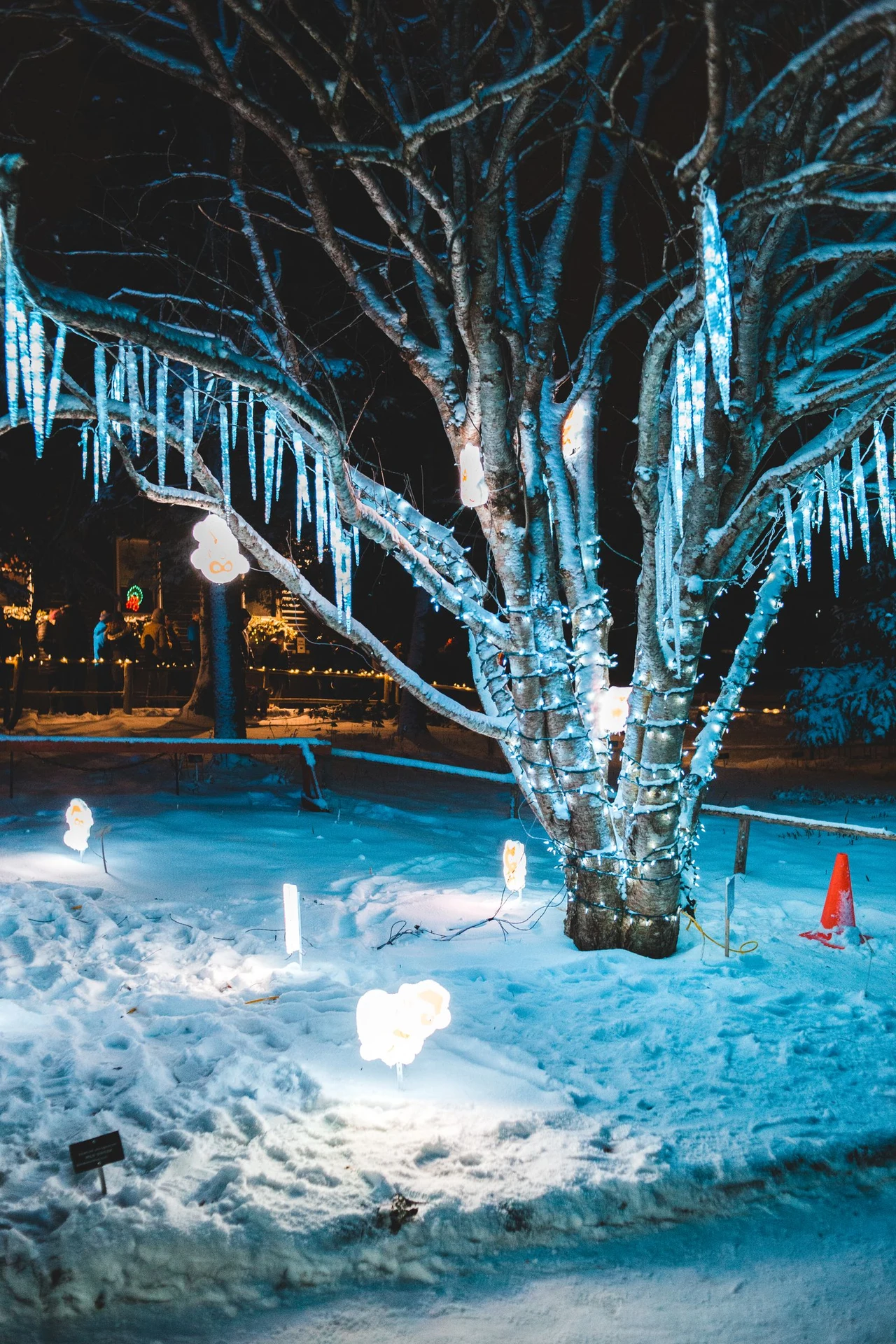
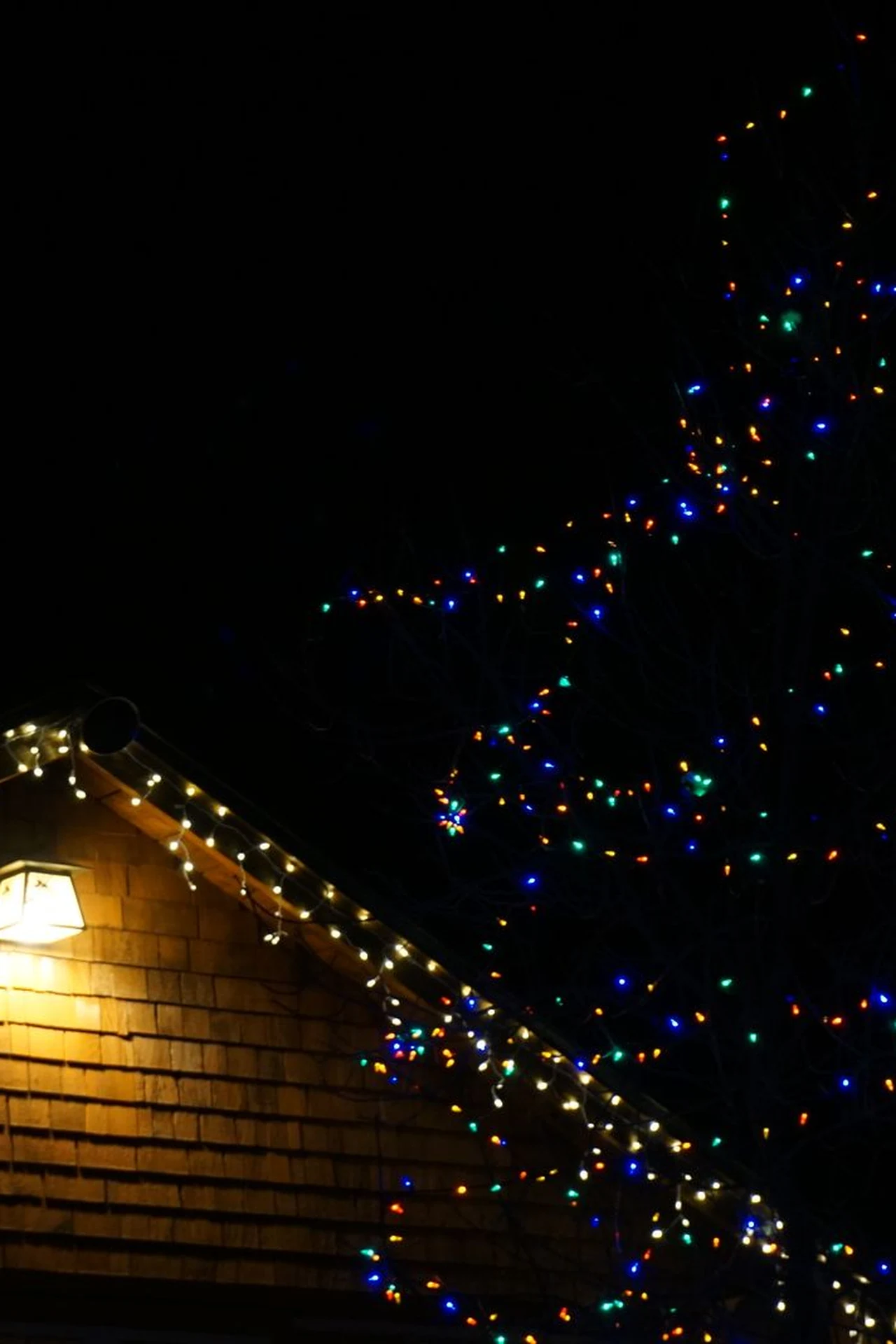
Icicle lights are the drops that hang below a strand, in different lengths, so the whole run looks like frozen water dripping from the roof. They suit houses with a good overhang best, and they look wonderful reflected in snow — or, as here, draped over a bare tree, where the drops catch the light like frost.
Hang them from the same gutter clips as your roofline lights, keeping the drops free so they hang straight. If you are hanging them on a tree instead, drape the strand over the outer branches and let the drops fall between them, so the tree glows from the inside out.
Tip: Buy icicle strands with the drops spaced evenly and the wire in white or green to match the house — a dark wire against a pale wall shows up in daylight.
3. Drape Net Lights Over the Bushes
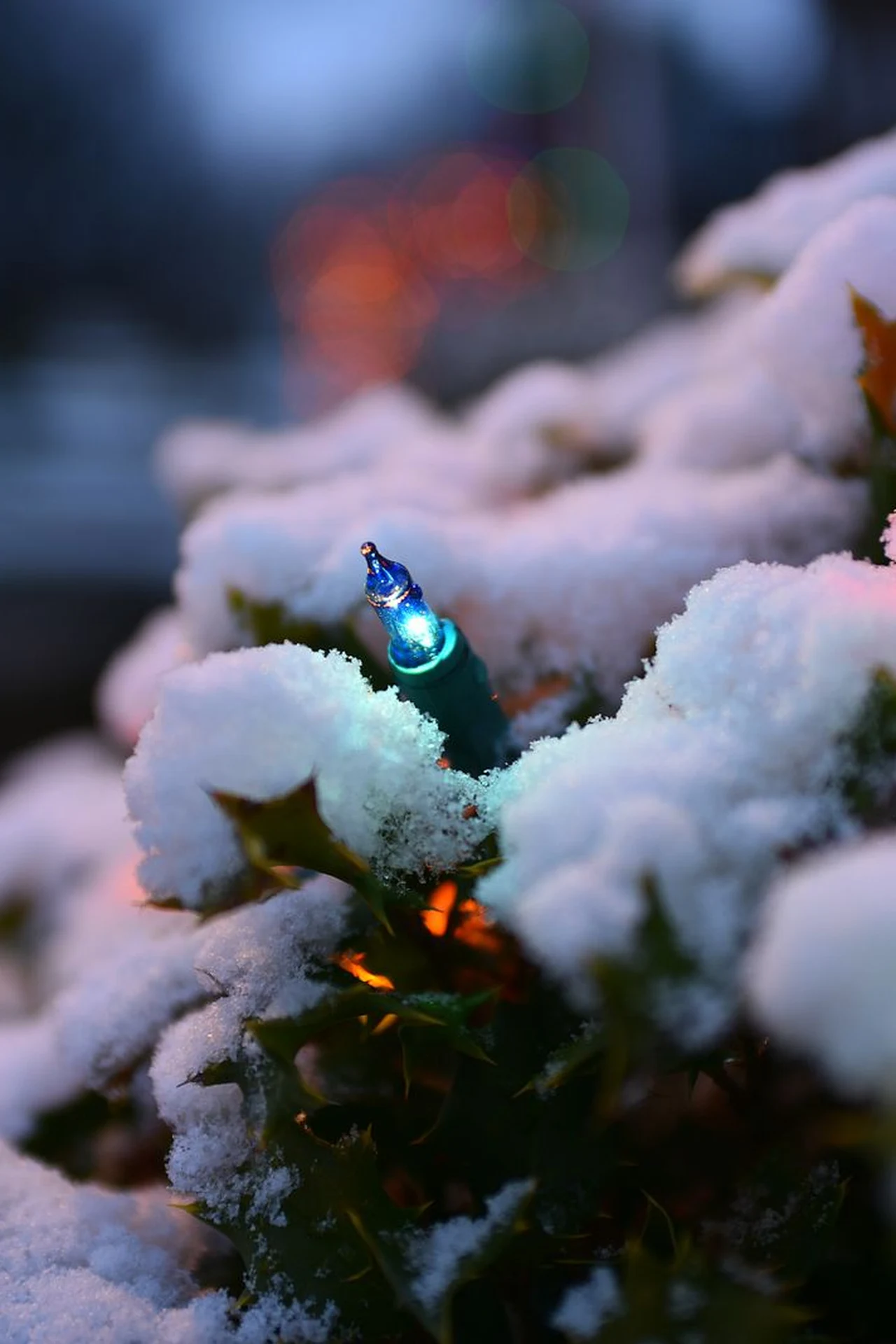
Net lights are a grid of bulbs joined into a sheet, made to be thrown over a bush or shrub — and they are the fastest way to light a whole garden bed. One net covers a bush in minutes, with the bulbs spread evenly instead of clumped where the strand happened to land.
Choose a net roughly the size of the bush, lay it over the top, and tuck the edges under the outer branches so the grid sits flat. Two small nets side by side look better than one big net stretched thin, and a timer means the bushes glow every evening without you touching a plug.
Tip: Put the nets on before the first hard frost, while the branches are still flexible — frozen branches snap, and a net pulled over a frozen bush never sits right.
4. Line the Walkway With Pathway Lights
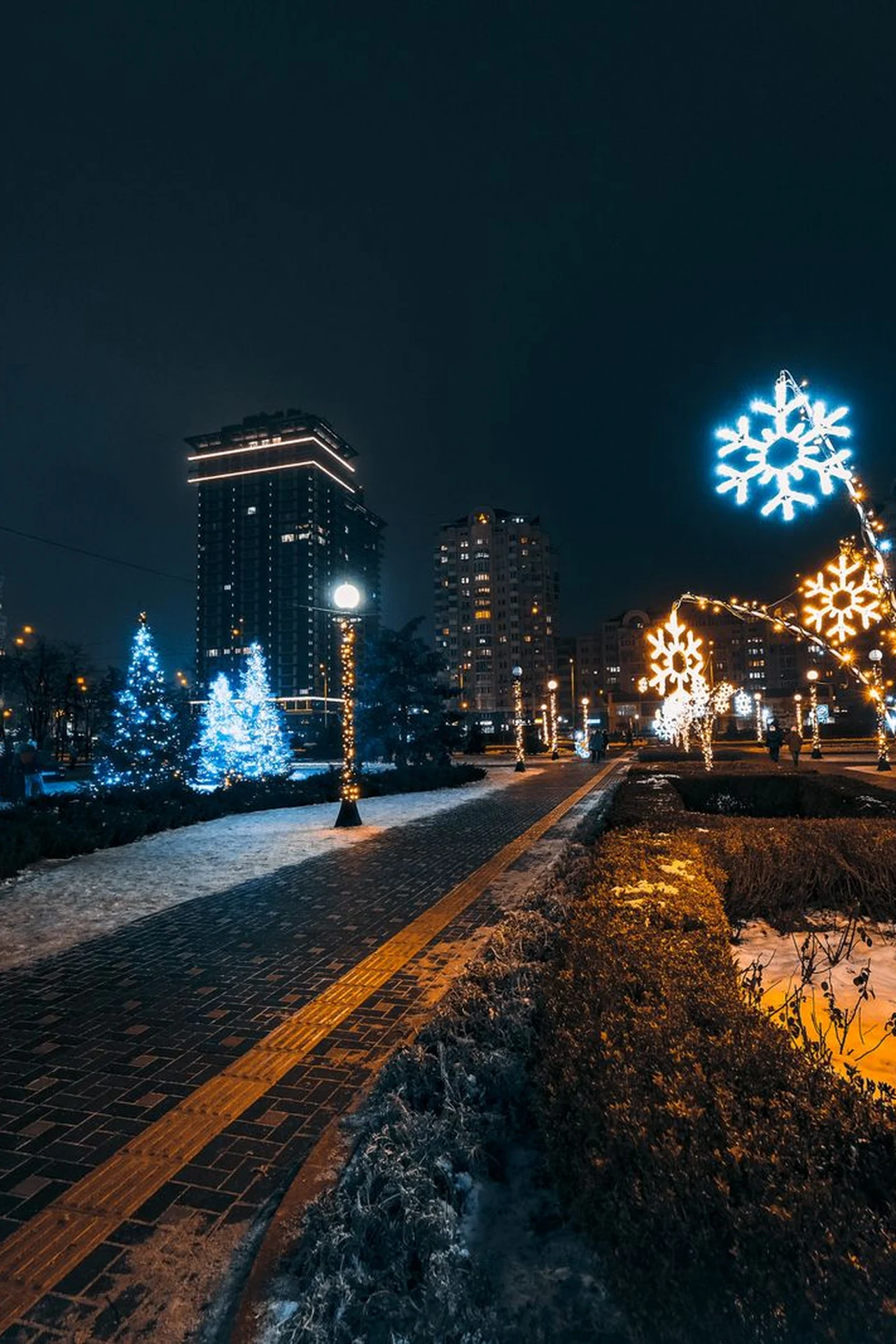
A lit walkway does two jobs at once: it shows visitors where to step on a dark December evening, and it draws the eye from the gate straight to the front door. Small stake lights along the path edge, spaced evenly, give a soft pool of light at every step without dazzling anyone.
Push the stakes into soft ground rather than frozen soil, and keep them low — ankle height is enough, and tall stakes get knocked over by the first parcel delivery. Solar stake lights are the simplest choice, but plug-in sets stay brighter on the shortest, darkest days of the year.
Tip: Space the lights evenly, about a stride apart, and alternate sides of the path — a zigzag of light looks intentional, while a row on one side looks like you ran out.
5. Add a Light-Up Reindeer Figure
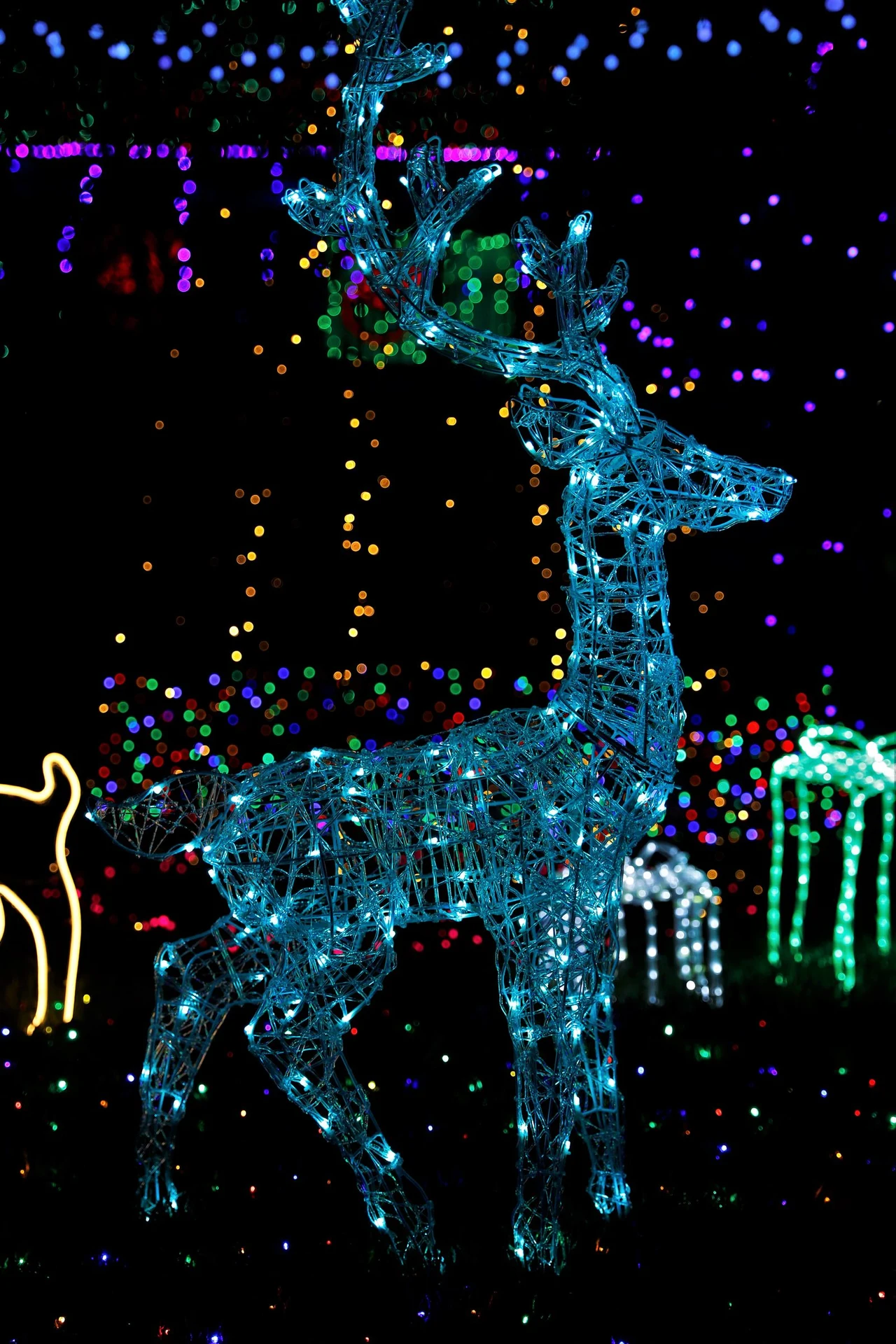
A light-up figure — a reindeer, a star, a snowman made of wire and bulbs — is the centrepiece of a front garden, the thing children point at from the car. One good figure beats a crowded lawn: give it a clear spot on the grass, away from the bushes, so its outline reads cleanly against the dark.
Choose a figure with LED bulbs built into the frame, and peg it down properly — a reindeer that leans in the wind looks sad by the second week. If the figure is hollow wire, a few extra fairy lights wrapped around the frame fill it out beautifully.
Tip: Put the figure where it can be seen from the road but not where it blocks the path — the front lawn, angled slightly toward the gate, is usually the sweet spot.
6. Set Out Lanterns With LED Candles
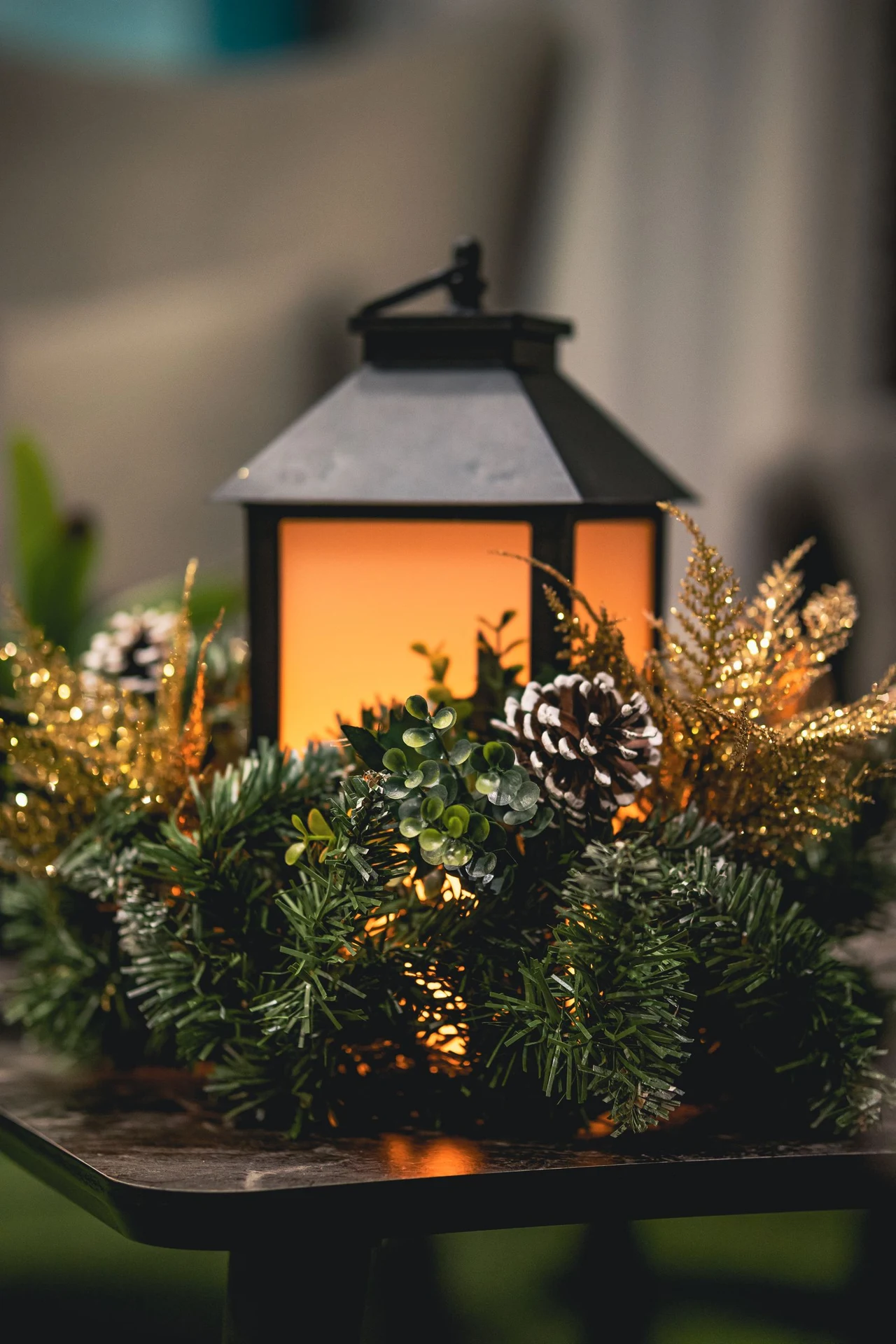
Lanterns are the quietest light on this list, and the warmest: a flickering LED candle inside a glass lantern gives a soft glow that string lights cannot match, and it is safe to leave out all evening. Group two or three on the porch steps, or one on either side of the door, with a little evergreen and a pinecone tucked around the base.
Use LED candles, not real ones — real flames and December wind do not mix, and an LED candle on a timer switches itself on at dusk. A warm-white LED reads as candlelight; a cool-white one reads as a torch, so check the colour before you buy.
Tip: Put the lanterns where they are sheltered from rain but still visible — under the porch roof, or just inside the doorway, where the glass stays clear and the glow spills out.
7. Light an Outdoor Christmas Tree
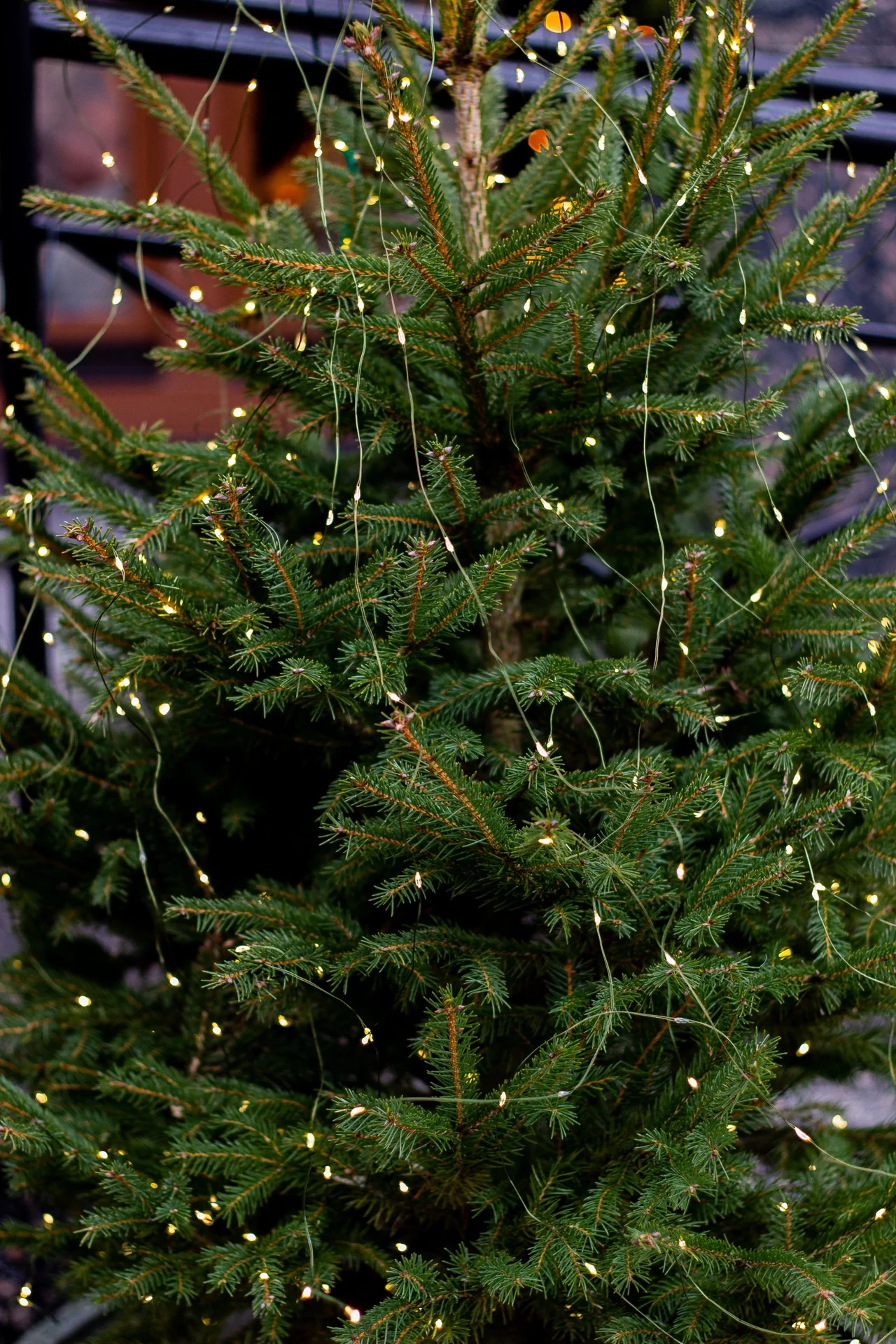
A real tree in the garden, wrapped in warm twinkle lights, is the most old-fashioned outdoor light there is — and the most forgiving, because a pine hides a multitude of tangled strands. Start at the bottom, work up in a spiral, and push the strand into the branches rather than draping it over the tips, so the lights glow from inside the tree.
Use outdoor-rated lights with a generous lead from the plug, and count on about one hundred bulbs per foot of tree for a full look. If the tree is taller than you can reach, a lightweight pole or a long-handled hook beats a wobbly ladder every time.
Tip: Light the tree before you add any ornaments — ornaments hung first get in the way of the strand, and the lights always look better with nothing competing for attention.
8. Frame the Windows With Lights
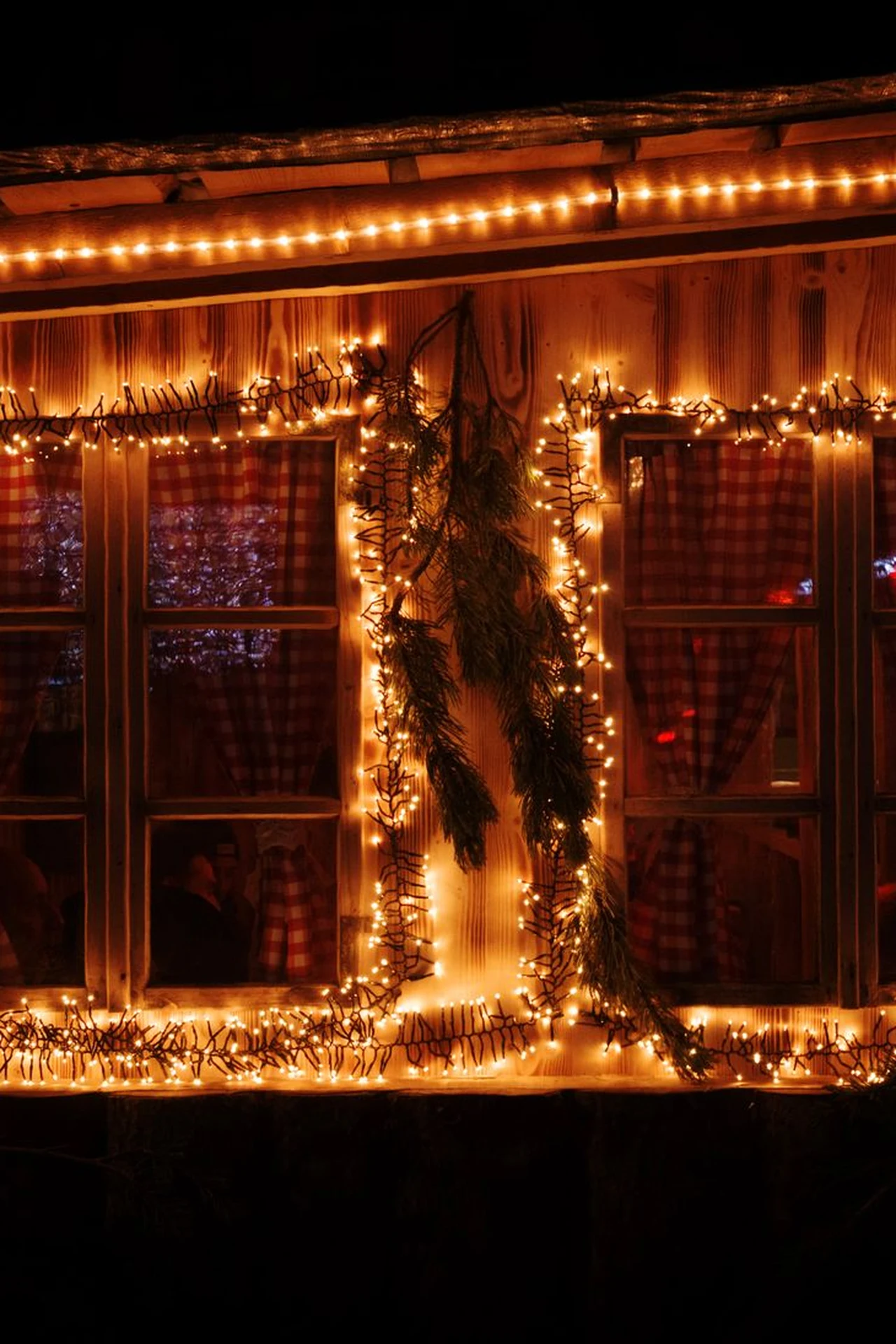
A window framed in lights glows from both sides: from the street it outlines the house, and from inside it turns the window into a picture frame. Run a single strand around the frame, following the shape of the window, and fix it with small suction-cup hooks or clear adhesive clips that come off cleanly in January.
Keep the frame tidy — one strand, evenly spaced, with the corners turned neatly — and match the colour to the roofline so the house reads as one display rather than two. A star light in the centre of the window finishes the frame without any extra effort.
Tip: Run the wire on the outside of the frame and the plug on the inside, through a slightly open window or a gap in the seal, so the cable never dangles across the glass.
9. Hang a Lit Wreath on the Door
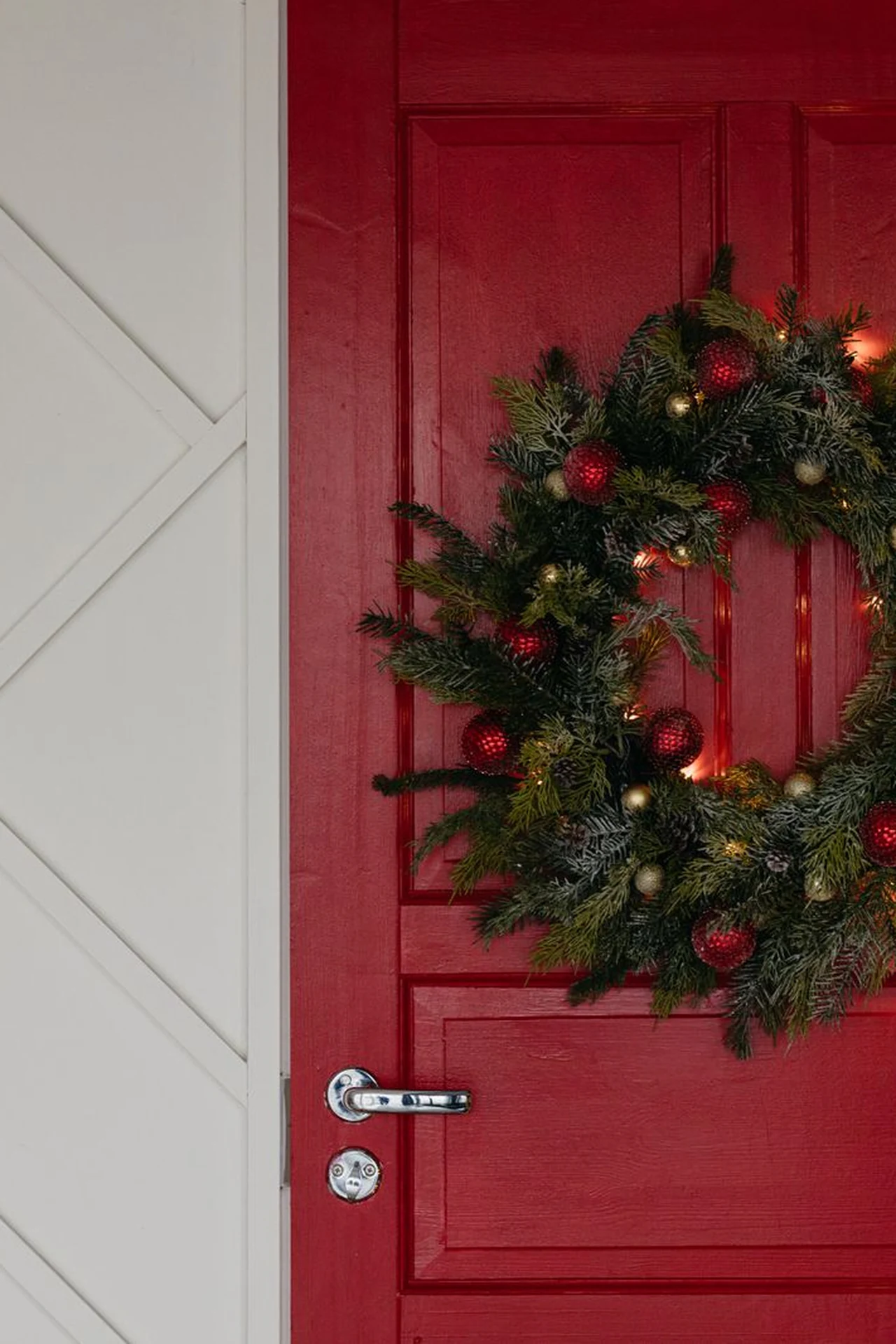
A wreath with lights built into it is the front door’s evening look: by day it is a plain green wreath, and at dusk the little bulbs come on and the whole entrance glows. Choose a pre-lit wreath with warm white LEDs, and hang it on a wreath hanger over the door rather than a nail, so the door stays undamaged.
If your wreath is unlit, wind a short battery fairy-light strand through the greenery, hiding the battery pack behind the bow. A timer on the pack means the wreath lights itself every evening and switches off before bed.
Tip: Hang the wreath at eye level and step back to the gate to check it — a wreath hung too high disappears under the porch light, and one hung too low gets knocked by the door handle.
10. Wash the Facade With a Warm Glow
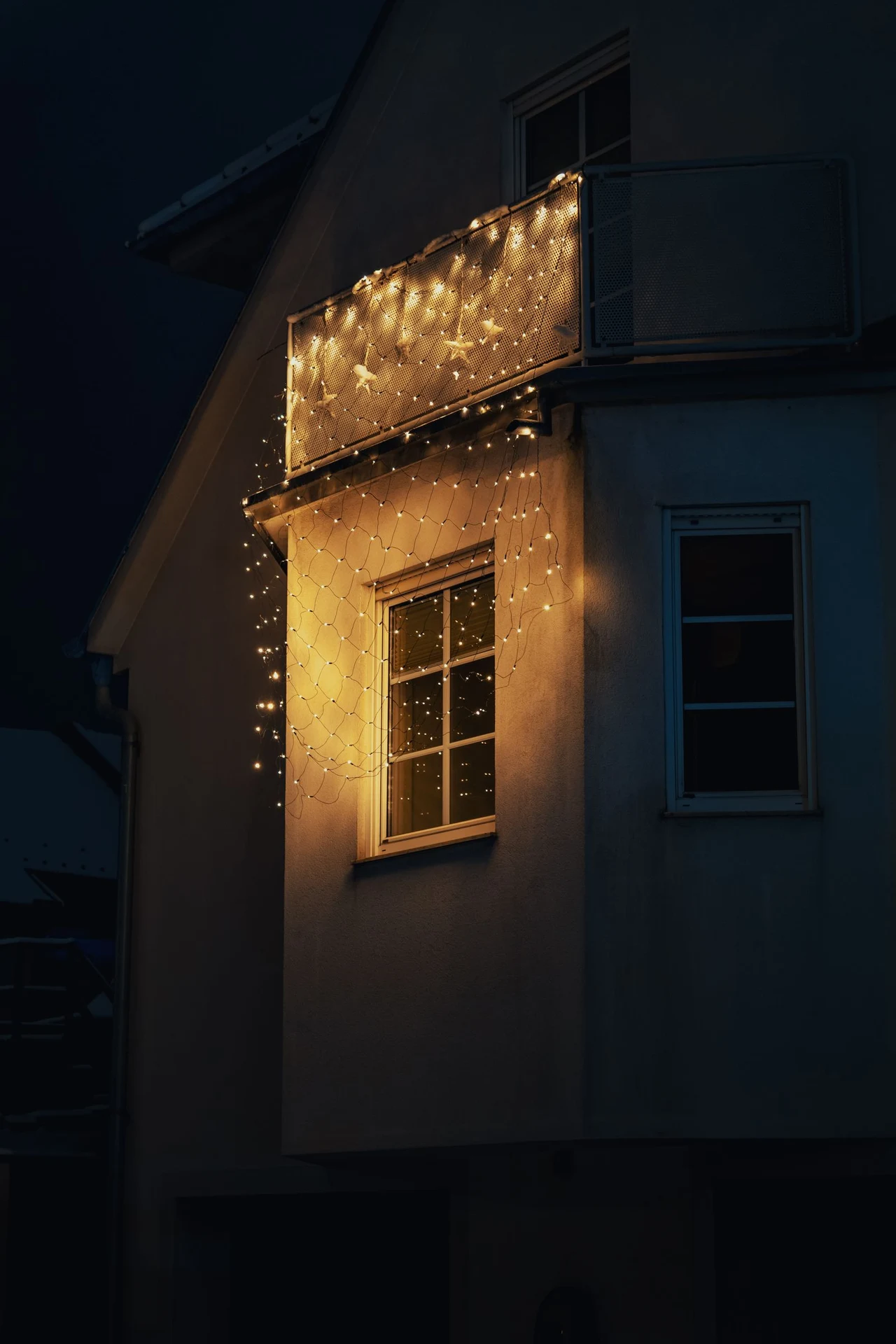
Not every outdoor light has to be a strand: a warm spotlight aimed up at the front of the house washes the whole facade in a soft glow, and makes the roofline lights look twice as bright. One or two outdoor spotlights at the base of the wall, aimed up, are enough for most houses.
Choose warm white, and angle the light so it grazes the wall rather than blasting it — a grazed wall shows off brick, stone or siding texture, while a flat wash just looks like a floodlight. Solar spotlights work well here, since the wall itself blocks the wind and the panel charges through the day.
Tip: Aim the spotlight at the house, never at the street — a beam pointed at the road blinds drivers and annoys the neighbours, while a beam on the wall flatters everyone.
11. Wrap the Porch Posts in Lights
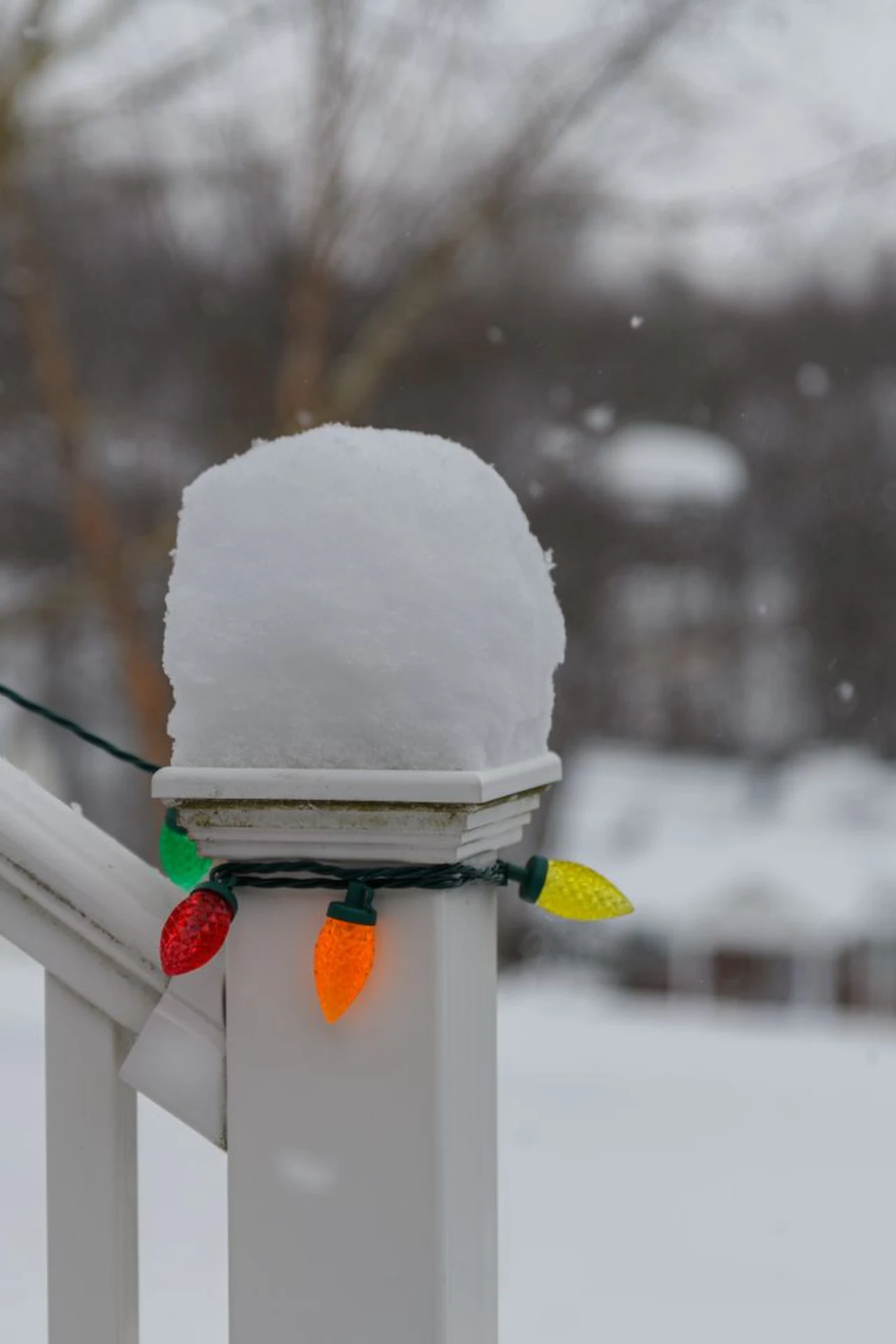
Porch posts are the columns that hold the roof up, and wrapping them in lights turns the porch into a glowing frame around the front door. Wind the strand around the post in a slow spiral, from the bottom up, keeping the turns evenly spaced so the post looks striped with light rather than tangled.
Use a strand a little longer than you think you need — a post takes more lights than it looks like it will — and tuck the plug end behind the post where it cannot be seen from the street. Match the post lights to the roofline colour so the porch and the roof read as one display.
Tip: Start the spiral at the bottom and work up, taping the first turn in place before you go on — if the first turn slips, every turn above it follows.
12. Run Lights Along the Fence
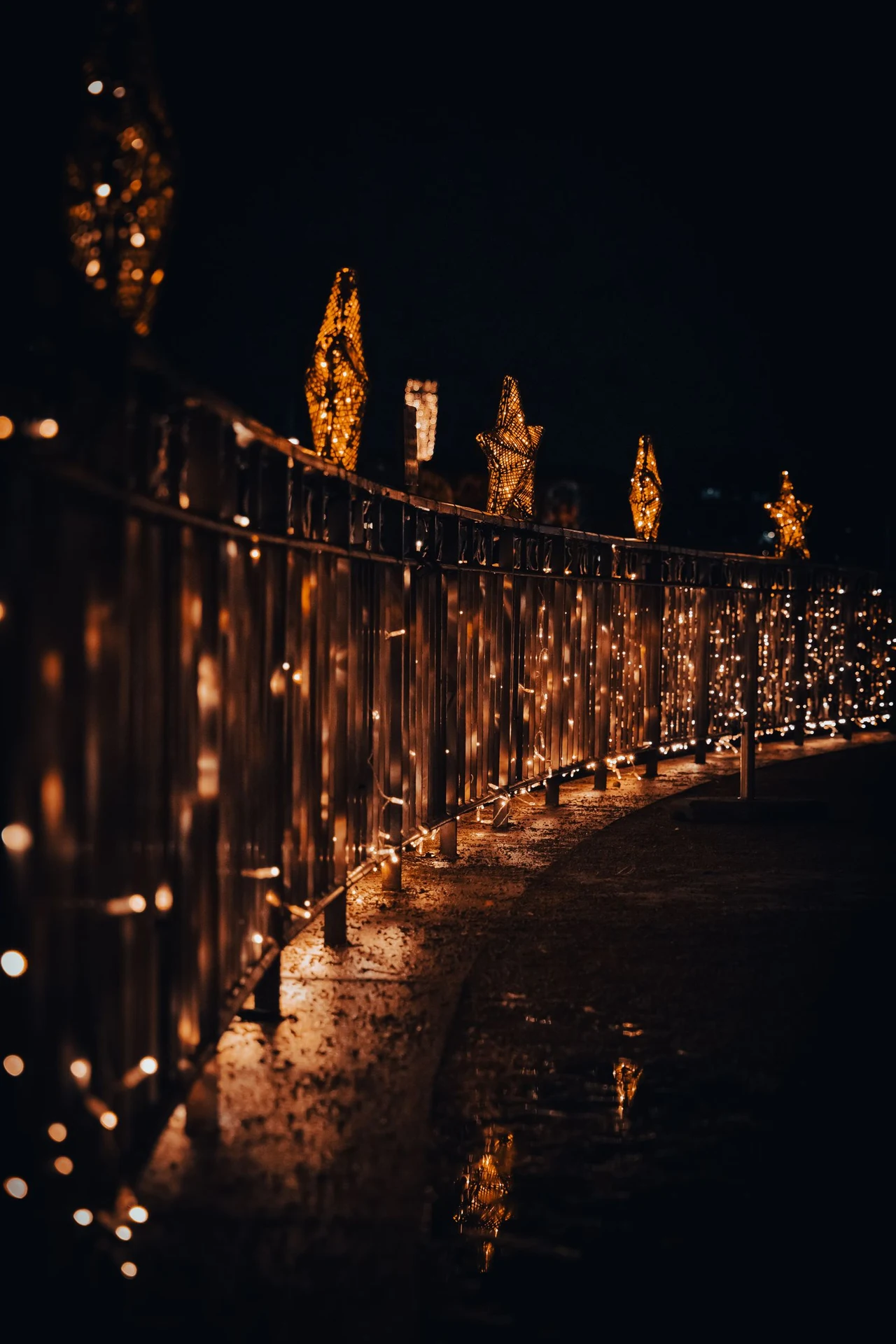
The fence is the longest straight line most gardens have, and a run of lights along it doubles the size of your display for the price of one strand. Follow the top rail with a single run, clipping the strand every few feet, and add a star or snowflake light at intervals for a little rhythm.
Keep the strand tight enough that it does not sag between clips — a sagging fence line looks tired by the second week. If the fence faces the street, run the lights on the street side, where everyone can see them, and keep the wire out of reach of the gate hinges.
Tip: A fence run is the best place for your oldest, shortest strands — one long fence uses up several odd lengths, and nobody can tell where one strand ends and the next begins.
13. Wrap the Tree Trunks in Fairy Lights
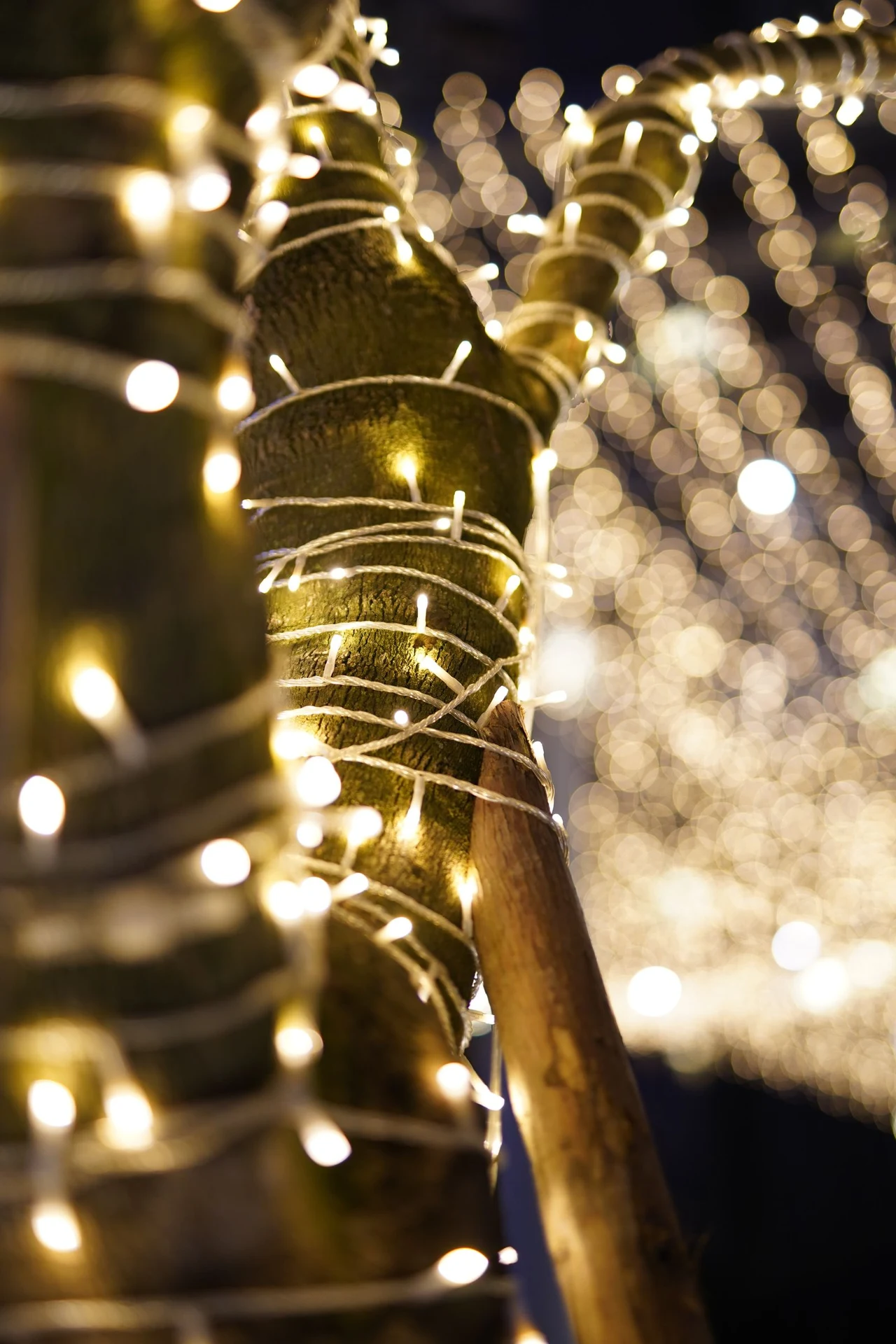
A bare tree in December looks stark, but a trunk wrapped in fairy lights turns it into a sculpture: a slow spiral of warm bulbs up the trunk and into the first branches, glowing against the dark bark. It takes one long strand per tree, and it is the easiest big effect on this list.
Wind the strand upward with the turns close together at the bottom and wider apart as you climb, so the light fades naturally into the branches. A battery pack tucked behind the trunk keeps the wire invisible, and a timer means the tree lights itself every night.
Tip: Wrap the trunk in daylight, before the cold sets in — cold hands and a long strand of fairy lights are a miserable combination, and the job takes twice as long.
14. Go Bold With Multicolour String Lights

Warm white is the safe choice, but multicolour is the joyful one: red, green, blue, gold and pink bulbs together make a house look like a celebration from the end of the street. Multicolour suits one big statement — a whole house, or a whole tree — better than a little accent, where it can look scattered.
Commit to it properly: if you go multicolour on the roofline, go multicolour on the tree and the fence too, so the whole display reads as one idea. And buy bulbs in the same size and style across the house, so the colours change but the shape of the light stays the same.
Tip: Multicolour lights photograph badly under a phone flash, so turn the flash off and let the bulbs do the work — the photo will look like the house actually does.
15. Hang Star Lights From the Porch
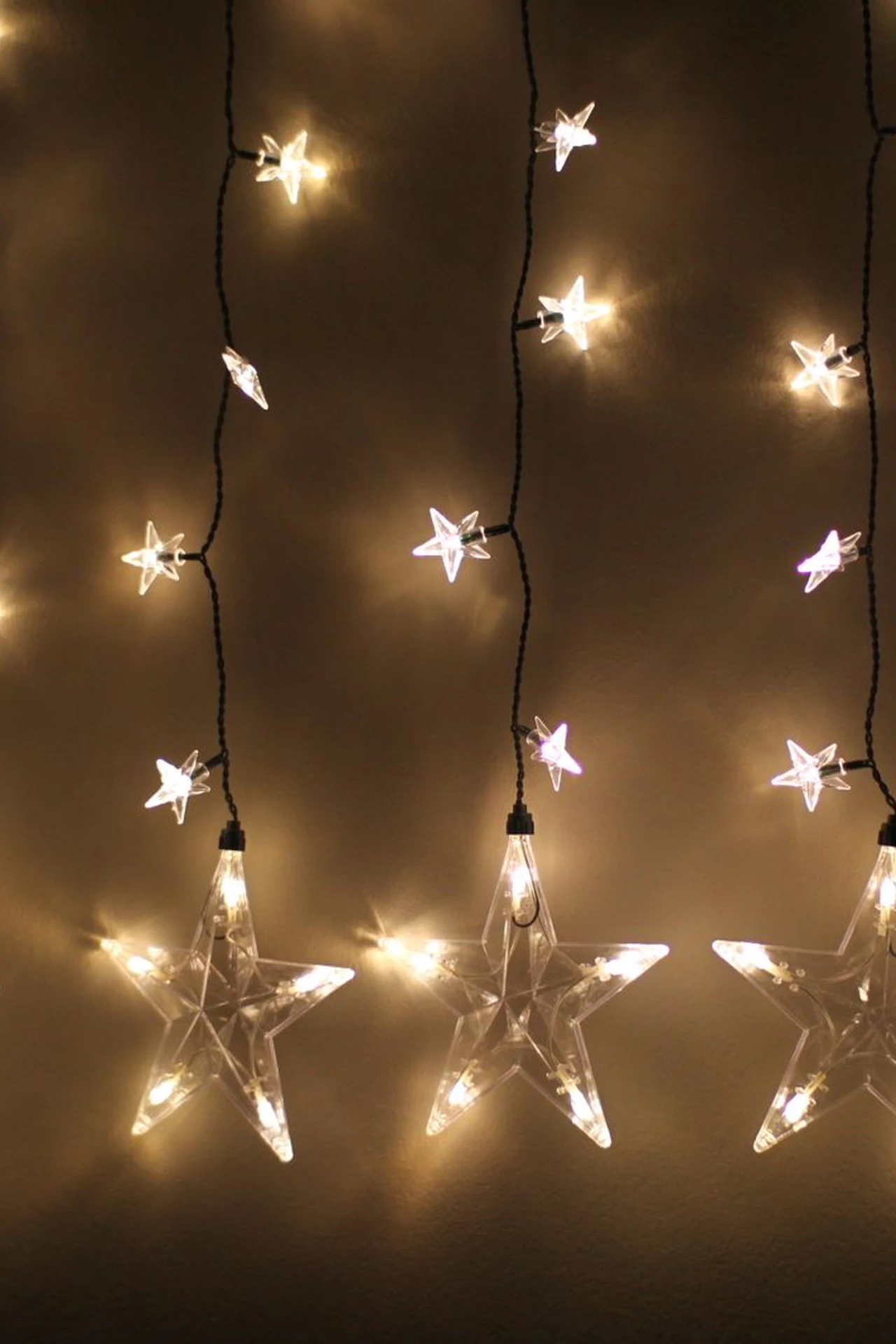
Star lights are the finishing touch: little lit stars hanging on short drops from the porch ceiling or the eaves, swaying gently in the evening air. They fill the space above the door without taking up any floor, and they catch the eye from the street because they move.
Hang them at slightly different heights, so they read as a scattered sky rather than a neat row, and keep them clear of the door swing. Battery star strands are the simplest here, since there is rarely a plug point on a porch ceiling — hide the pack behind a beam or a plant pot.
Tip: Hang the stars where they can be seen from inside as well as out — from the hallway, a porch full of stars is the first thing you see when you come home.
Keep Reading
Love this look? Keep going with more ideas from Zoraventra:
Frequently Asked Questions
What are the best Christmas outdoor lighting ideas for beginners?
Start with the roofline: one strand of warm white string lights along the eaves, plus a lit wreath on the door. Those two alone make a house look finished, and you can add the walkway, the tree and the fence in later years.
How do you hang Christmas lights outside without damaging the house?
Use plastic gutter clips and adhesive hooks made for outdoor lights — never nails or staples, which pierce the wire and damage the gutters. The clips slide onto the gutter lip and come off cleanly in January.
Are LED Christmas lights better than old-style bulbs outdoors?
Yes — LEDs use far less power, stay cool to the touch, and last for years. They are also brighter per watt, so a long run of LED lights will not trip a breaker the way old incandescent strands could.
How do I keep outdoor Christmas lights on automatically?
Use a plug-in timer or smart plug set to switch on at dusk and off at bedtime, or choose solar and battery lights with built-in dusk sensors. A timer is the cheapest fix, and it also keeps the electricity bill predictable.
Can I leave Christmas outdoor lights up all winter?
You can, if the lights are rated for outdoor use — but take them down before the spring sun and rain wear the wire out. Most people leave them up through January and take them down on the first dry weekend after that.