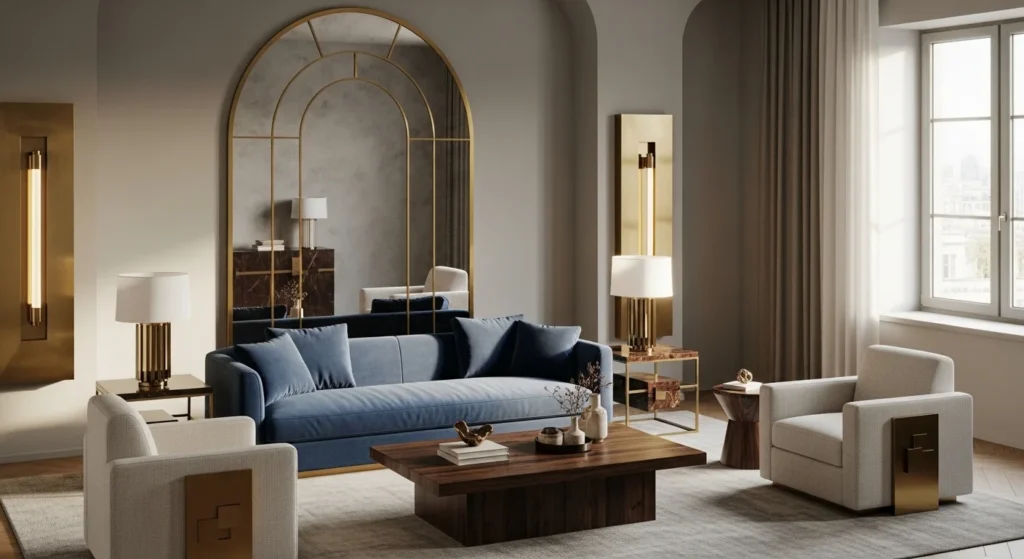
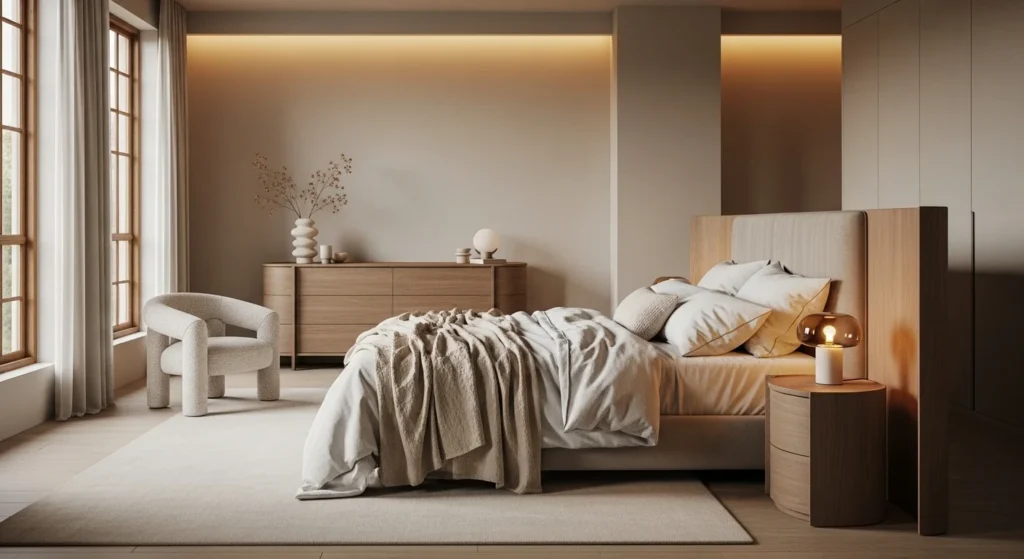
Quiet luxury isn’t about designer labels or statement pieces. It’s about spaces that feel comfortable, balanced, and thoughtfully curated — where every material and finish was chosen with intention. And it isn’t defined by price: a well-crafted oak side table or a set of linen curtains can out-impact a room full of expensive decor competing for attention.
The principles are simple: fewer pieces that each count, texture instead of bold pattern, and empty space that lets everything breathe. Eight ideas built on exactly that:
1. Linen Over Polyester
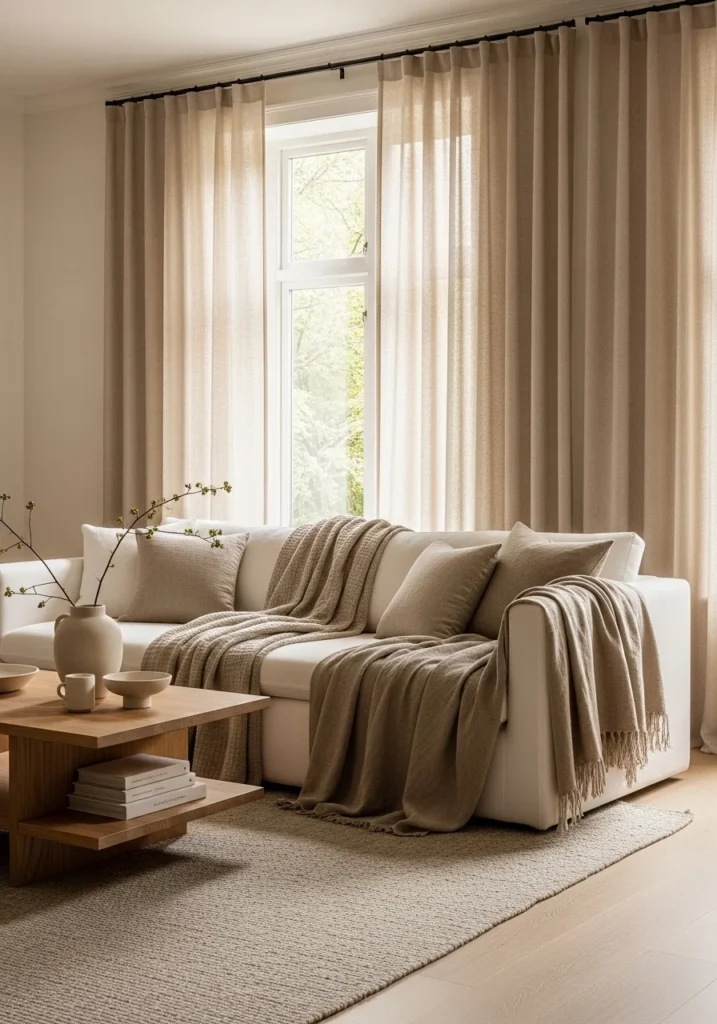
Few materials say quiet luxury like linen — relaxed texture, gentle drape, natural fibers that develop a lived-in softness synthetics can’t fake. Swap polyester curtains, bedding, or table linens for linen and the whole room changes: softer light, subtle movement, texture without pattern. Even one linen throw across a bed adds layers. On a budget, pre-washed linen blends or quality linen-look fabrics get you close in ivory, oatmeal, or flax.
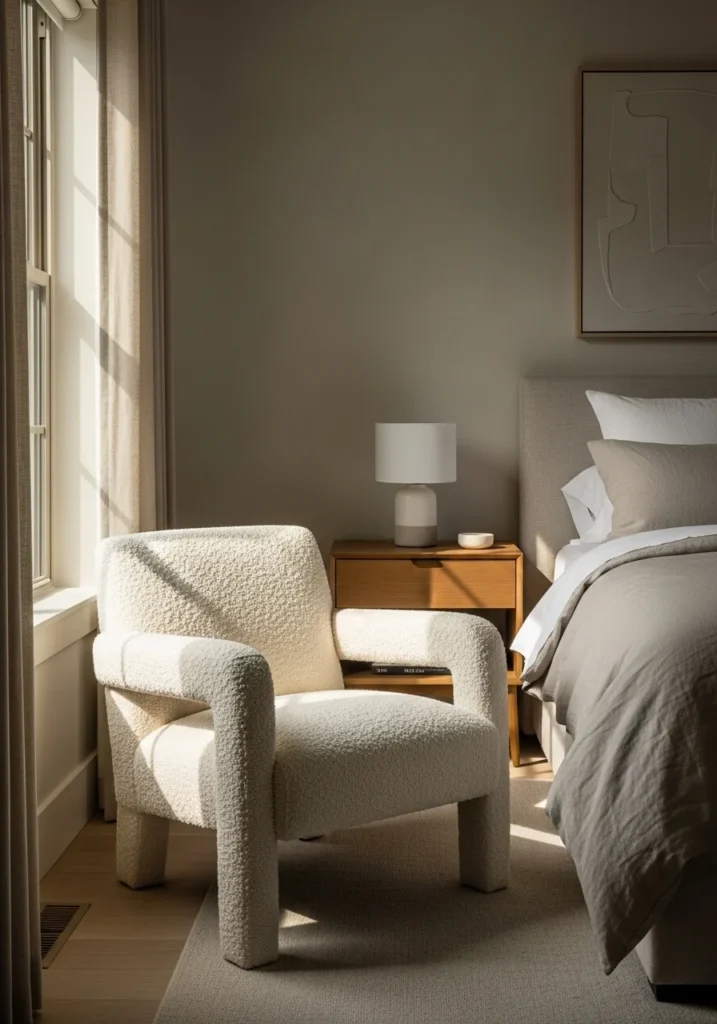
2. Bouclé as Texture, Not Trend
Bouclé’s looped texture adds warmth and depth while staying relaxed — softer light reflection than velvet, inviting rather than formal. One accent chair, ottoman, or bench in bouclé becomes a focal point without dominating. Keep it to one or two pieces and let linen, wood, and wool do the rest.
The texture piece: Minimalist Bouclé Tufted Accent Chair
3. Warm Whites, Not Stark Whites
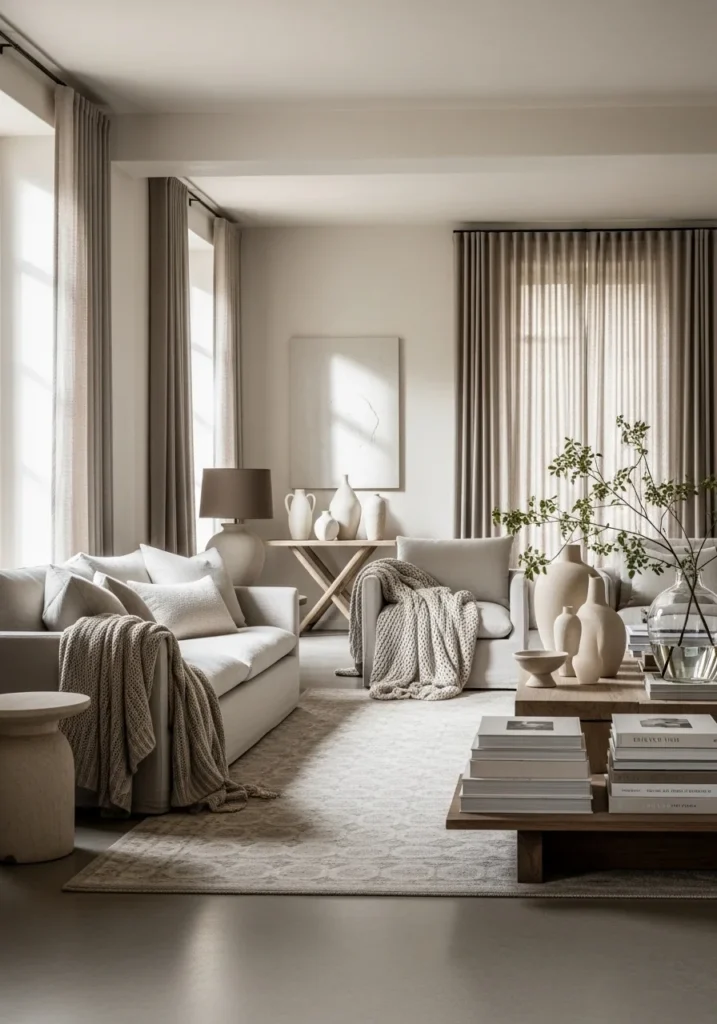
Wall color shapes mood before you notice anything else. Warm whites — cream, beige, greige undertones — create a softer backdrop that lets natural materials stand out, unlike cool whites that can feel stark. Finish matters too: matte or eggshell diffuses light gently and flatters architectural details. Test samples on different walls through the day before committing.
4. Natural Wood With Character
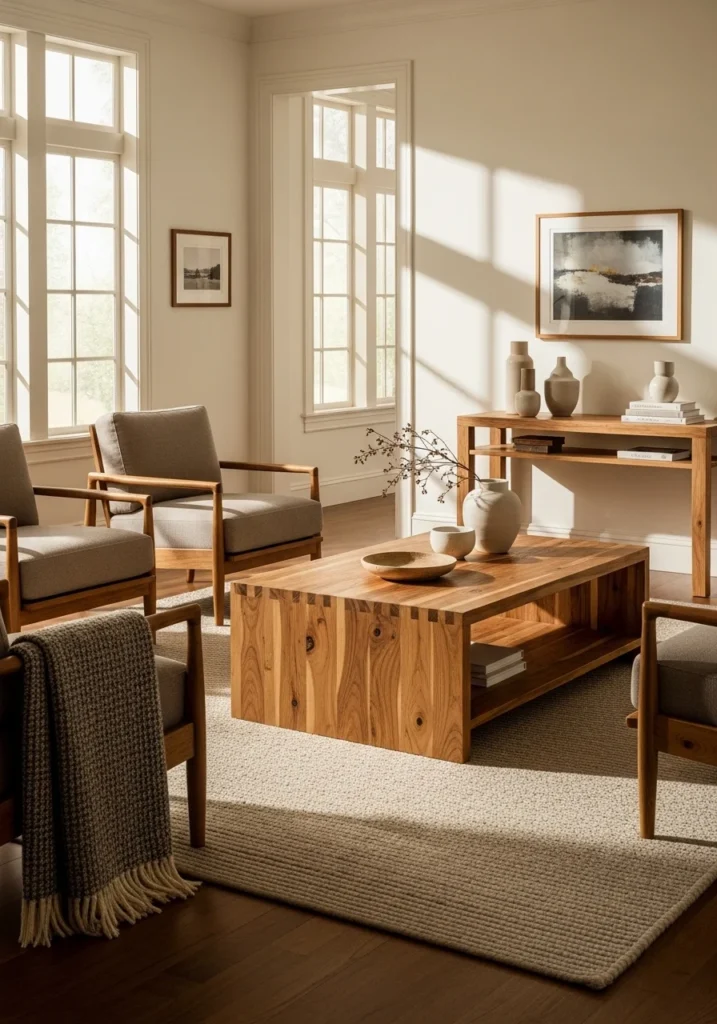
Solid oak, walnut, ash — natural grain brings warmth and authenticity that manufactured finishes can’t replicate, and it develops character over time. Don’t match every tone exactly; aim for balanced undertones (medium oak with walnut, lighter ash) for depth that stays harmonious. Vintage and estate-sale wood pieces often beat new trend-driven furniture on both character and value.
5. Layer Textures, Skip Patterns
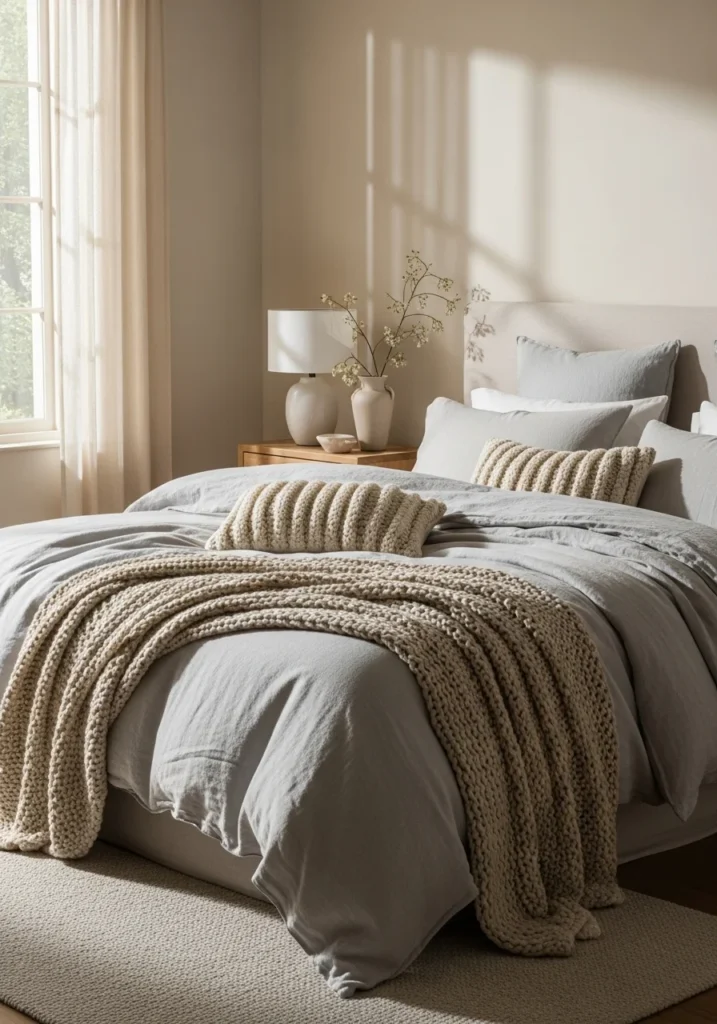
Quiet luxury creates depth through material, not print: linen curtains, a wool rug, a bouclé chair, a ceramic lamp, an oak coffee table. Each element understated alone; together, rich and inviting. The key is variety, not quantity — a handful of quality materials, each with room to be appreciated. Think in layers, not objects.
6. Matte Finishes
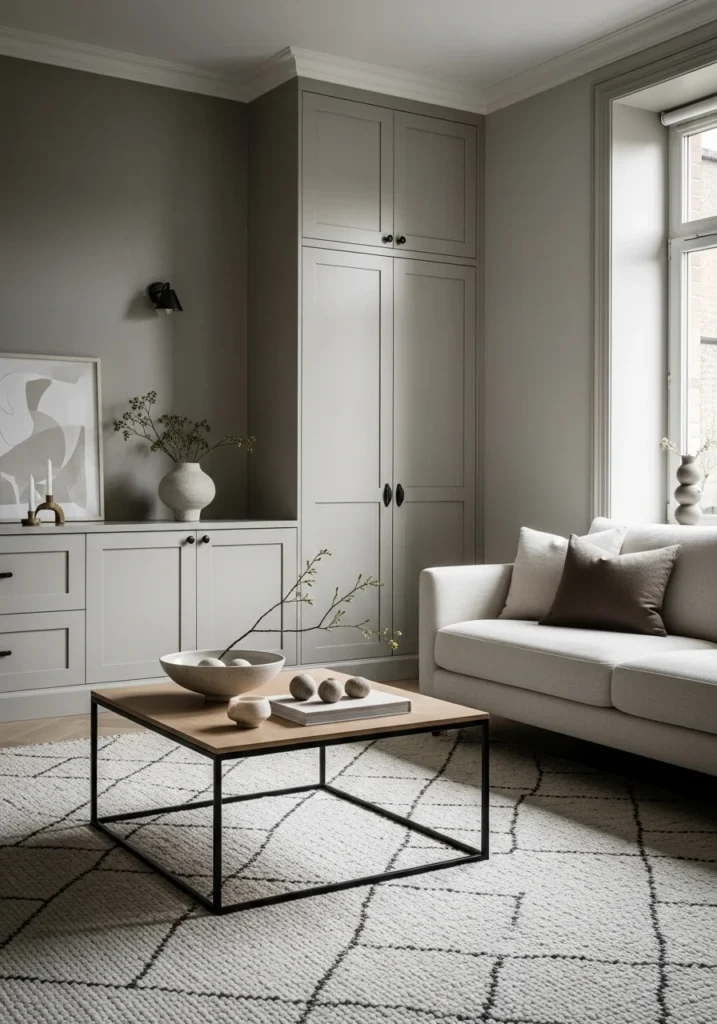
Reduce the shine and the materials speak: matte paint, brushed hardware, honed stone, softly finished cabinetry. Gloss reflects light but also highlights fingerprints and wear. Keep one or two reflective accents (a glass vase, an antique brass detail) surrounded by softness for contrast. Consistency across hardware, lighting, and accessories is what creates the quiet cohesion.
7. Architectural Details
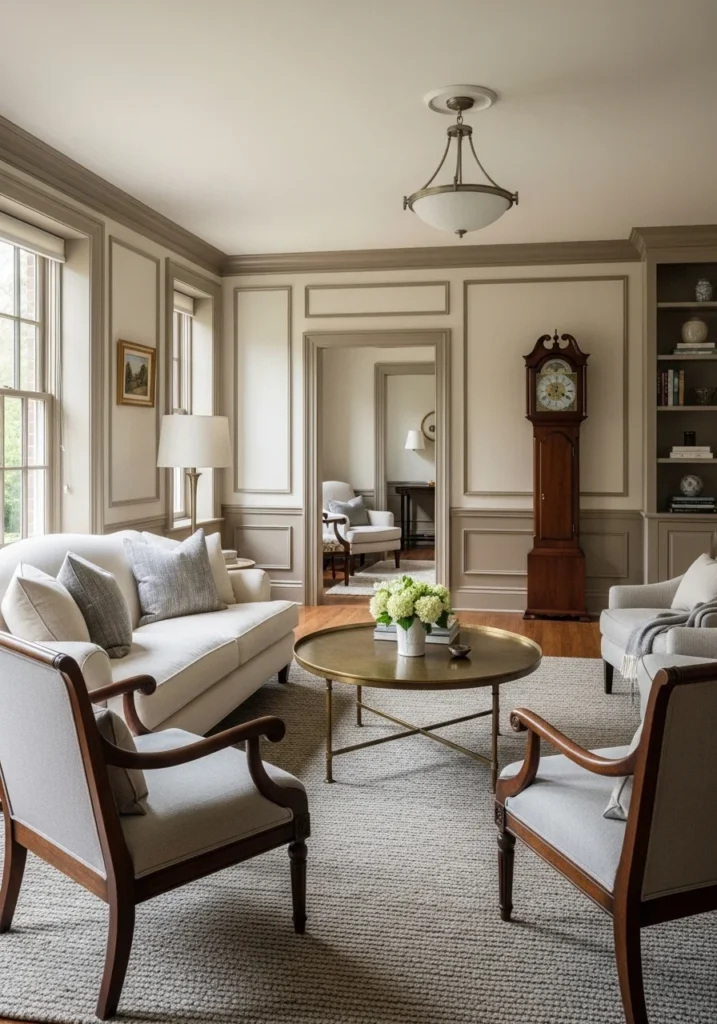
Furniture alone rarely makes a beautiful home — molding, picture rails, paneling, deeper baseboards, and trim give rooms lasting character before a single piece arrives. In newer homes, simple molding projects or peel-and-stick panels add depth cheaply. Aim for details that look like they always belonged there.
8. Layered Warm Lighting
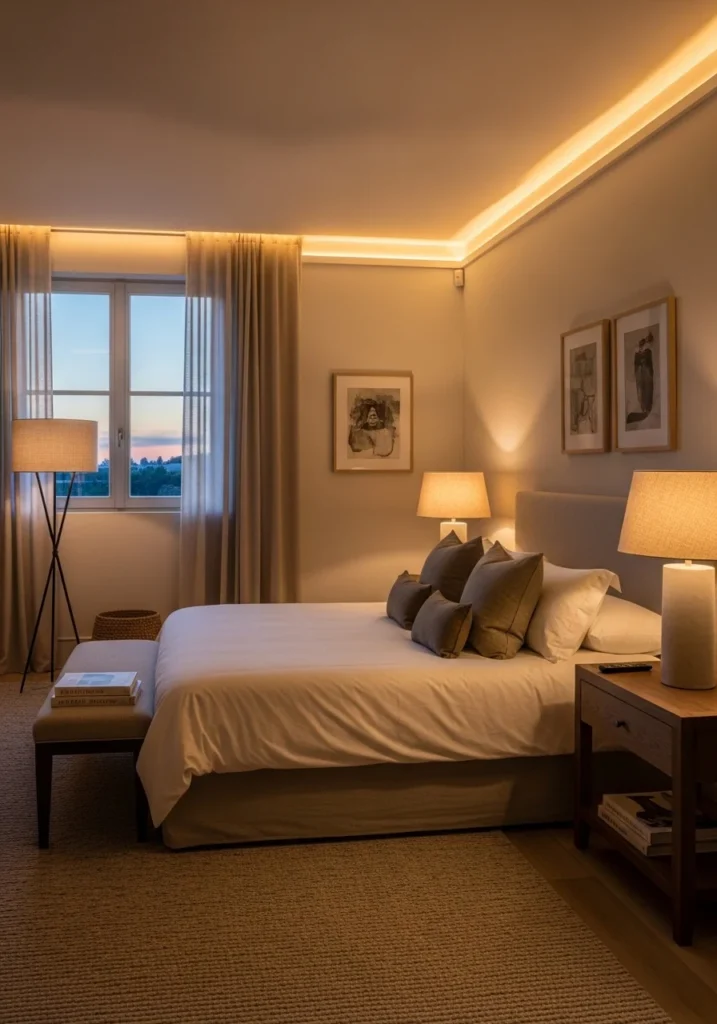
Lighting decides how every other choice is experienced. Ditch the single bright overhead: layer table lamps, floor lamps, and sconces in warm temperatures (2700–3000K). Beautiful furniture under harsh light still looks harsh; ordinary furniture under warm layered light looks expensive.
The Short Version
Fewer, better pieces. Texture over pattern. Warm whites. Natural materials that age gracefully. Matte over gloss. Details that look original. Light in layers. That’s the whole style — and none of it requires a luxury budget, just intentional choices. Our paint finish guide pairs well with idea #3.
Quick Answers
Is quiet luxury expensive to achieve?
No — it’s about choosing well, not spending big. Linen-look fabrics, vintage wood, a gallon of warm white paint, and layered lighting achieve the look on a normal budget.
What is the difference between quiet luxury and minimalism?
Minimalism removes; quiet luxury curates. Both love restraint, but quiet luxury embraces rich texture, warm materials, and collected-over-time character.
What colors define quiet luxury?
Warm whites, oatmeal, flax, soft stone, natural wood tones, and muted earth shades. Neutrals with depth — never stark, never loud.
Affiliate Disclosure: As an Amazon Associate, I earn from qualifying purchases. If you click a link and buy, I may receive a small commission at no extra cost to you. Thank you for supporting my content!