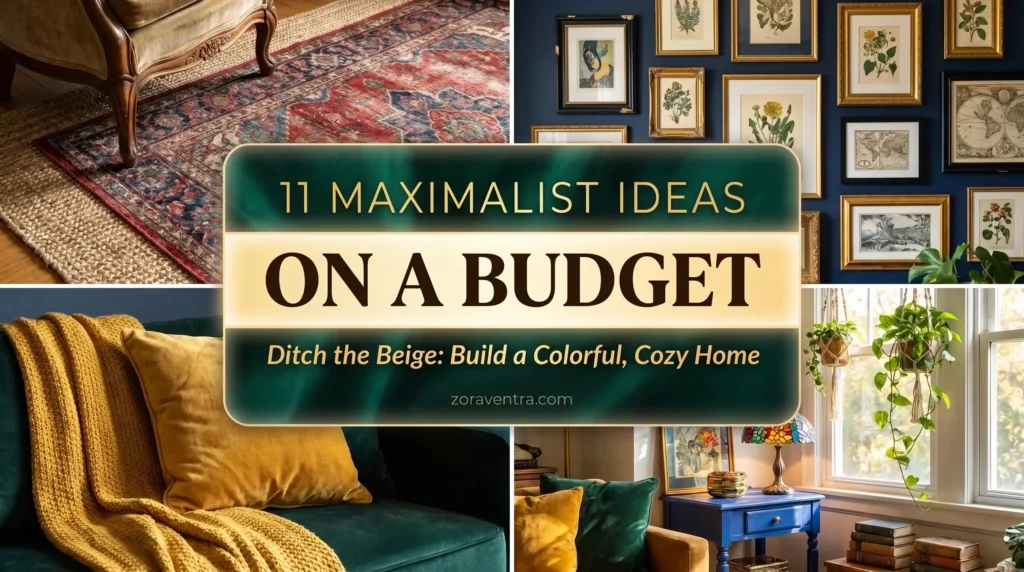
Maximalism looks expensive — the Pinterest rooms are packed with color, layered textiles, vintage art, one-of-a-kind everything. So people assume it takes thousands of dollars. In reality, the opposite is often true.
Unlike styles that demand matching furniture sets, maximalism grows by collecting: a thrifted lamp, inherited art, flea-market finds, books you already own. Personality over perfection. Think in five layers — color, pattern, texture, art, objects — and build in stages instead of shopping all at once.
1. Paint: The $35 Transformation
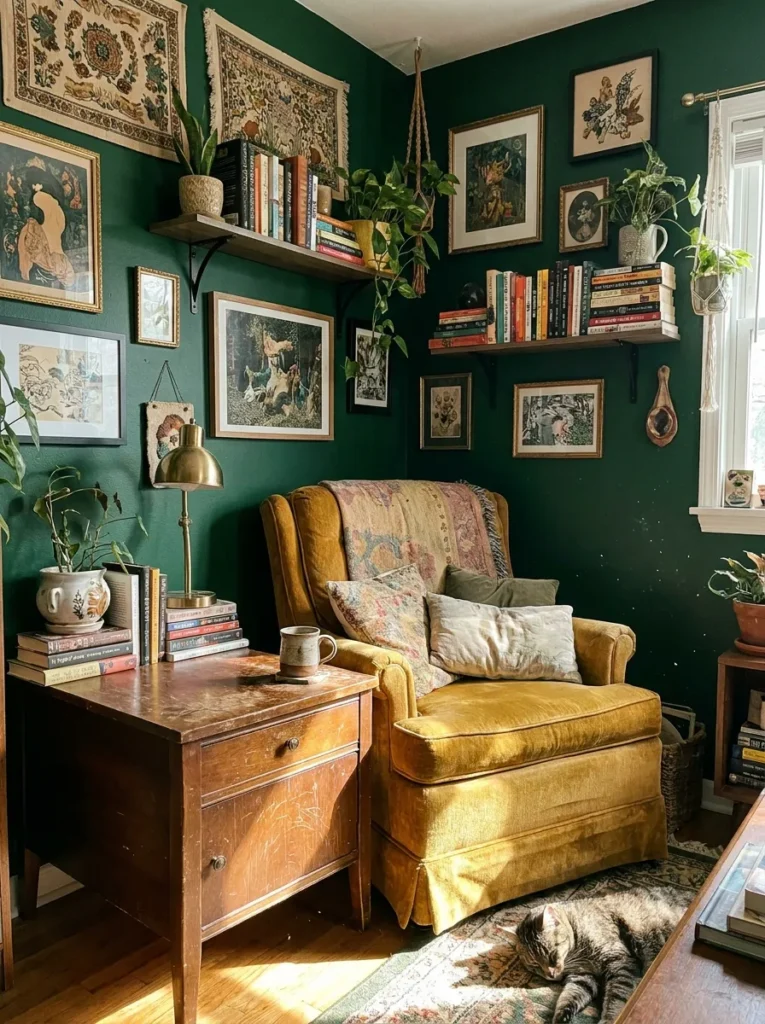
Staring at a beige box? Paint is the cheapest massive impact there is. One gallon of deep moody color — forest green, navy, rich terracotta — transforms the room for ~$35. Too risky for whole walls? Paint just the trim and doors in a contrasting color: your existing beige suddenly looks intentional and high-end.
What It Actually Costs
| Update | Typical budget |
|---|---|
| Paint | $40-80 |
| Throw pillows | $20-60 |
| Area rug | $60-180 |
| Thrifted artwork | $20-100 |
| Plants | $10-50 each |
| Accessories | $30-100 |
$200–$400 total can dramatically change an ordinary living room — when you layer instead of replacing everything.
2. Pattern: Peel-and-Stick + Mixing
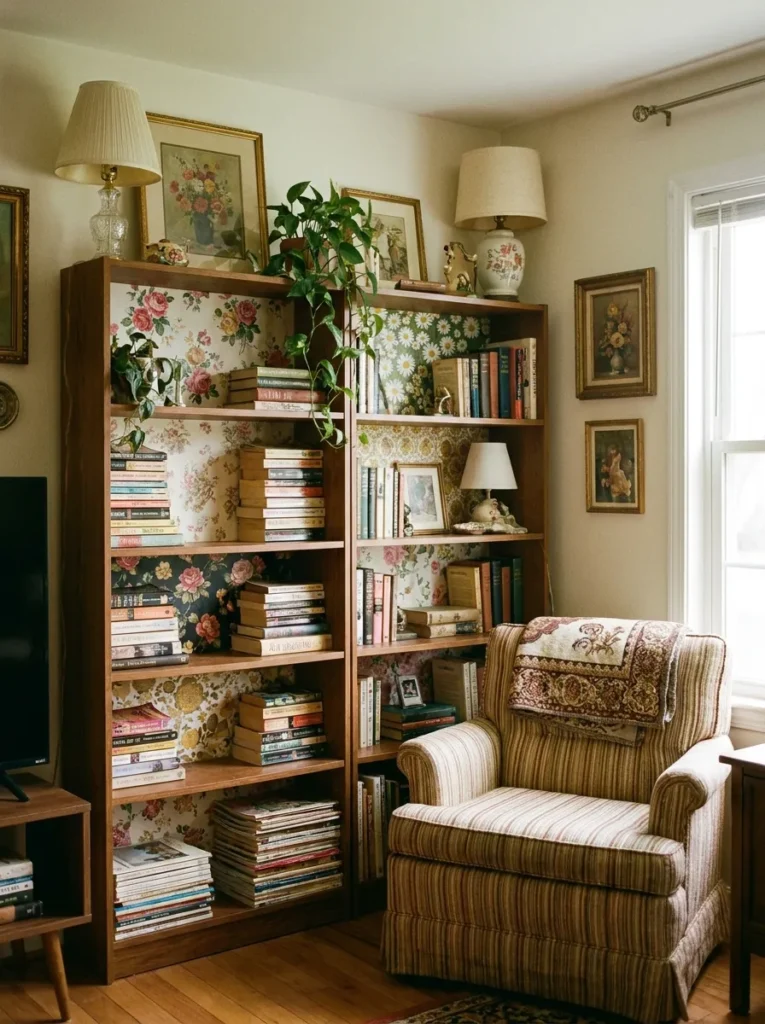
Designer wallpaper is pricey; peel-and-stick on just the back of a bookshelf or inside an alcove gives you the hit for a fraction. Then mix patterns you already own — a striped rug with a floral cushion — tied together by one common color. Cohesive, not chaotic.
Bold pattern, low commitment: Tropical Tiger Peel-and-Stick Wallpaper
3. Texture: The $15 Fix
A flat-feeling room lacks texture — maximalism wants soft, shiny, woven, and worn all at once. Hack it cheap: a chunky knit throw (~$15) over the sofa arm, faux velvet pillow covers in a jewel tone (~$22), a faux-fur throw over a chair back. Affordable textiles that make the room feel expensive and layered.
Instant texture: Leopard Print Pillow Covers and Reversible Boho Throw Blanket

4. Art: The $8 Gallery Wall
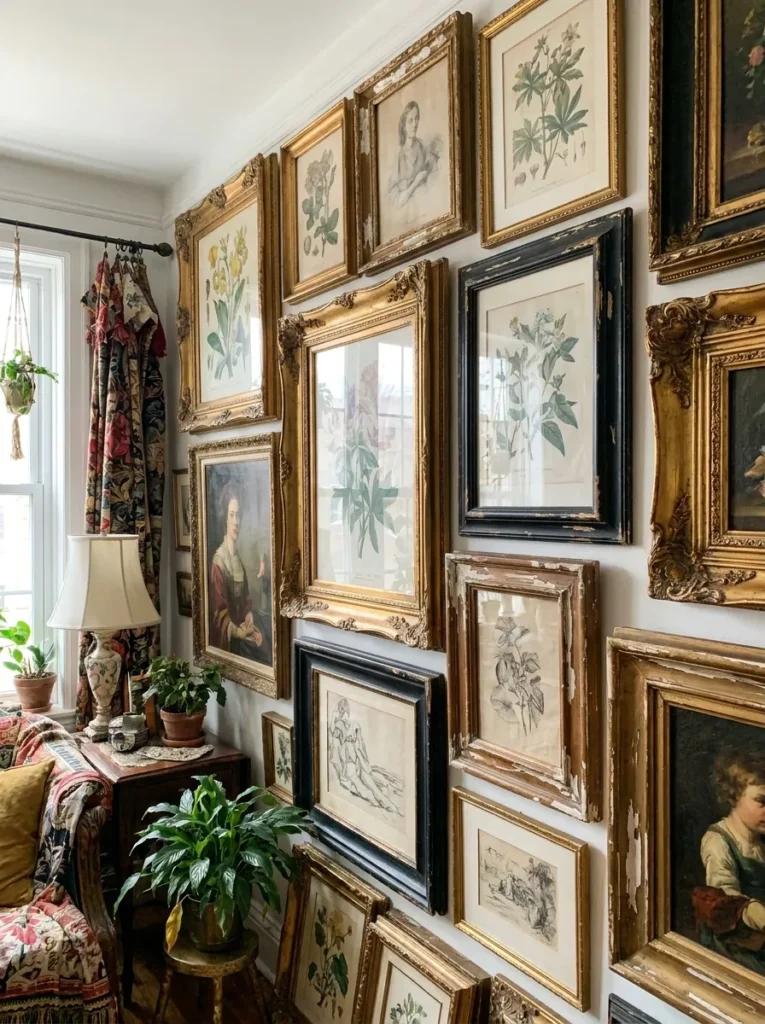
Skip the massive generic big-box canvas — maximalist art is personal. Thrift mismatched frames for $3–$8 each (they shouldn’t match), and fill them with free printable art from museum archives, pages from old books, even beautiful greeting cards. Eclectic, collected-over-time magic for almost nothing.
5. Objects: Group, Don’t Scatter
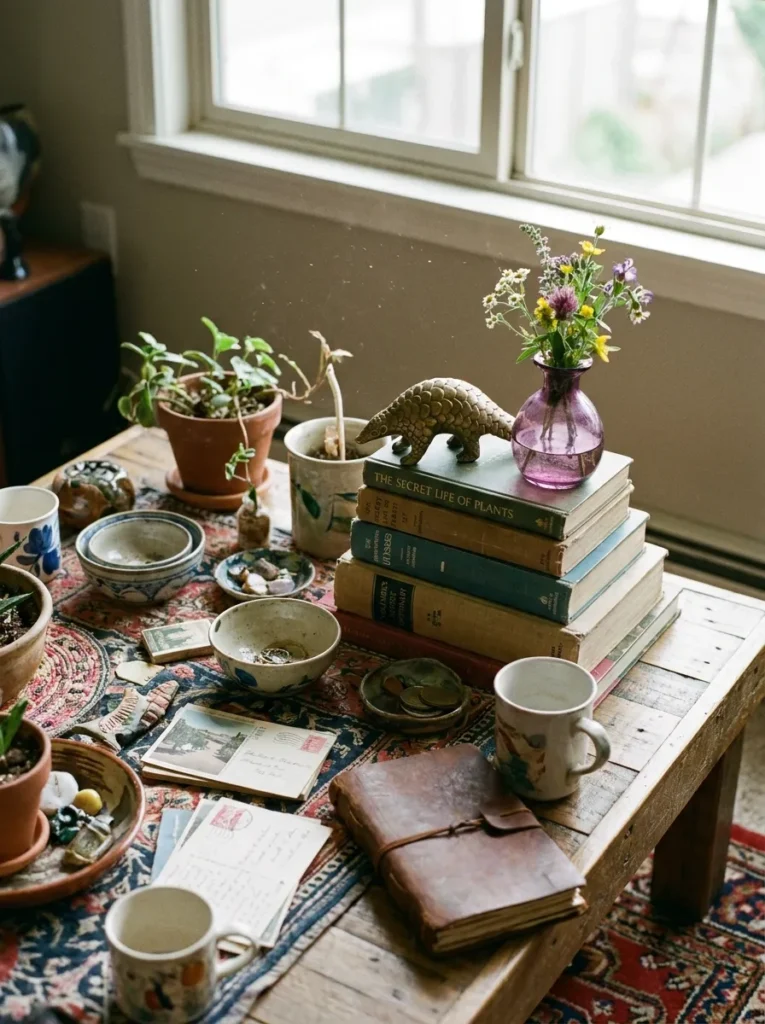
This is what separates curated from hoarder: group your quirky thrift finds — a brass animal figurine, a colored glass vase — on a tray or atop vintage books. Grouped items read as an intentional collection; scattered ones read as mess.
6. Layer Cheap Rugs
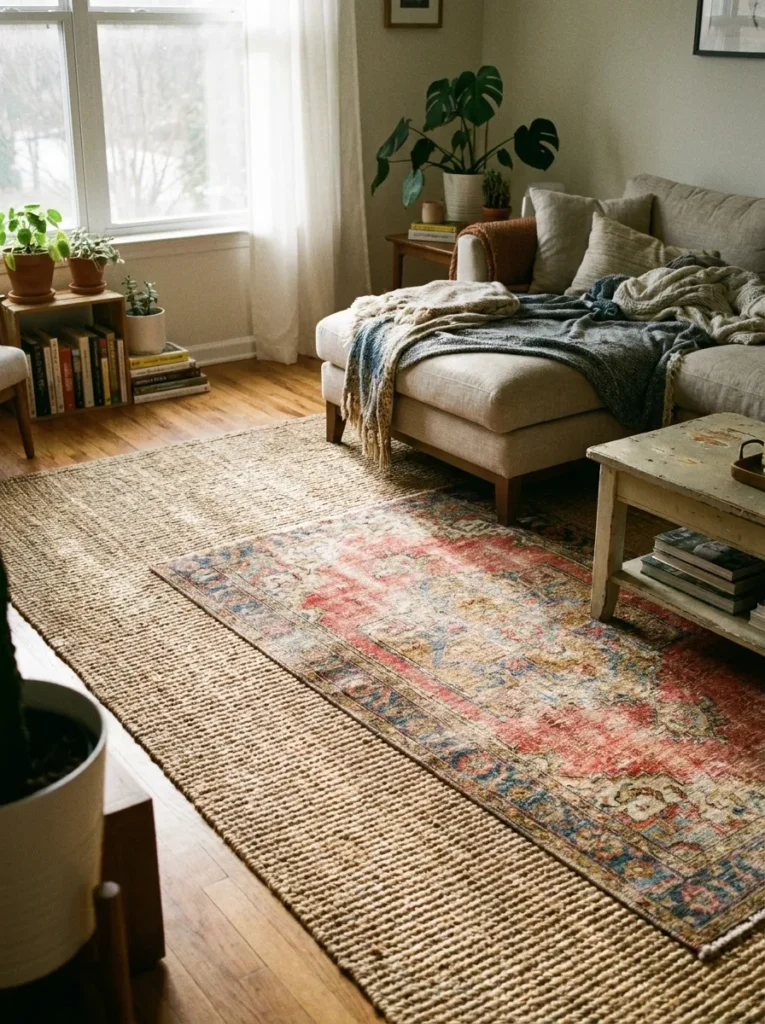
Real vintage rugs cost thousands — skip them. Buy a large cheap neutral jute or sisal rug for coverage, then layer a smaller patterned vintage-style rug or runner on top, angled under the coffee table. Boring floor covered, massive visual interest, hundreds saved.
7. Greenery for Pennies
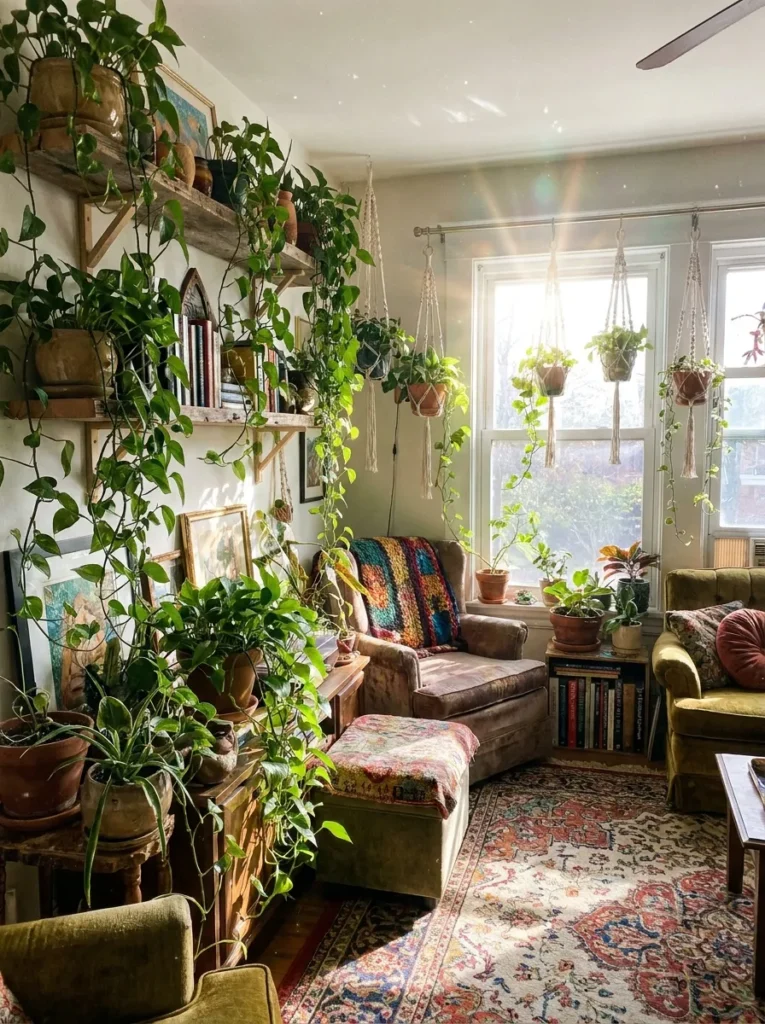
Maximalist rooms feel alive — and plants are the cheapest life there is. Skip the $100 fiddle leaf fig: buy three or four $10 pothos or philodendrons, hang them in cheap macrame planters or set them on high shelves. Fast-growing, eye-drawing-upward, vertical dead space filled for pennies.
8. Spray-Paint Boring Furniture
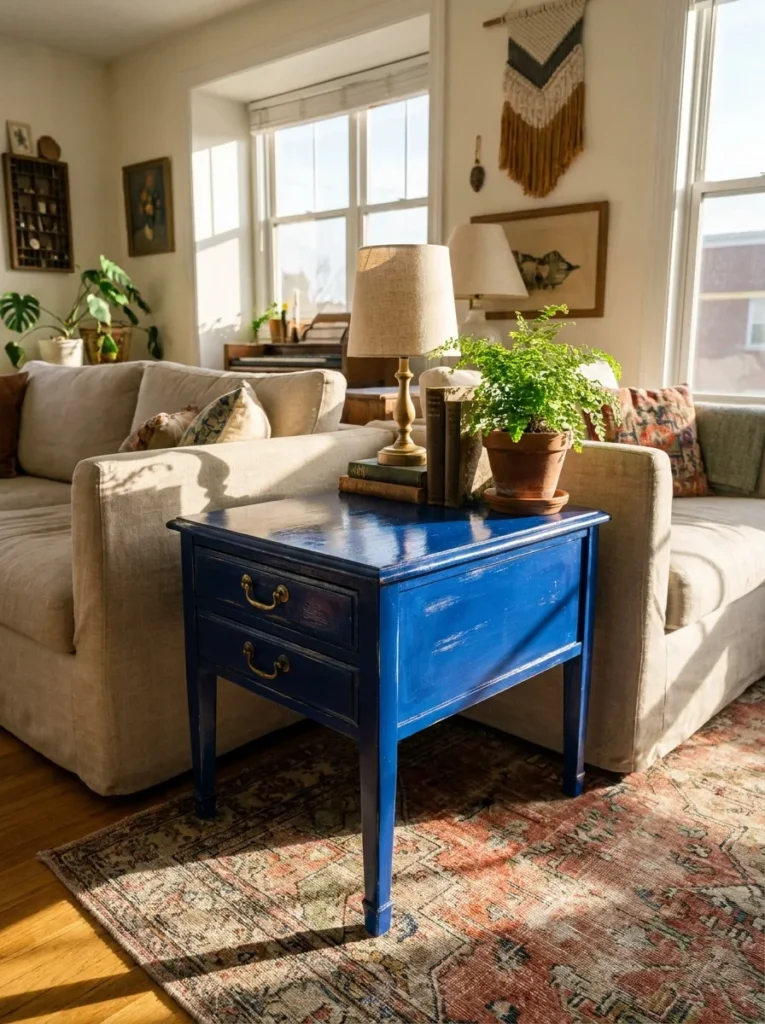
That side table you hate? Don’t toss it — paint it. Lightly sand, then spray a wildly unexpected color: mustard yellow, cobalt blue, blush pink. Swap the hardware for $4 brass pulls. Custom, high-end-looking piece for under $20.
9. Swap the Lampshades
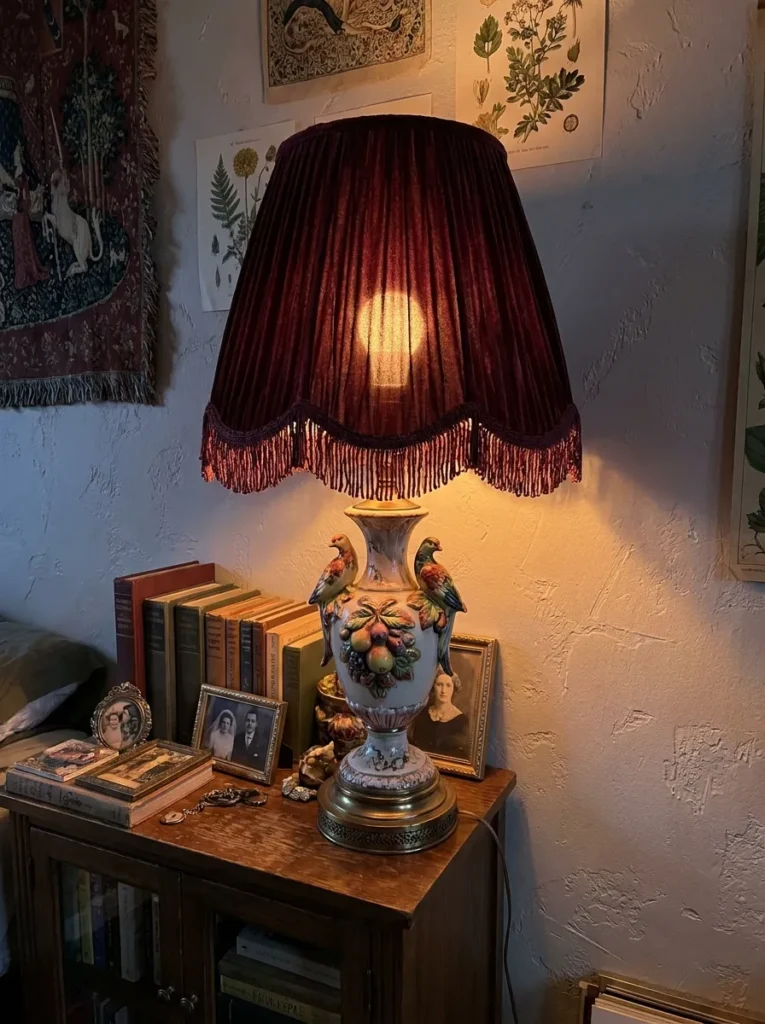
Keep your lamp bases; replace the shades. A $12 shade in a bold color, floral pattern, or pleated velvet adds eye-level color and casts a warm moody glow at night. The cheapest lighting transformation in decorating.
10. Books as Decor
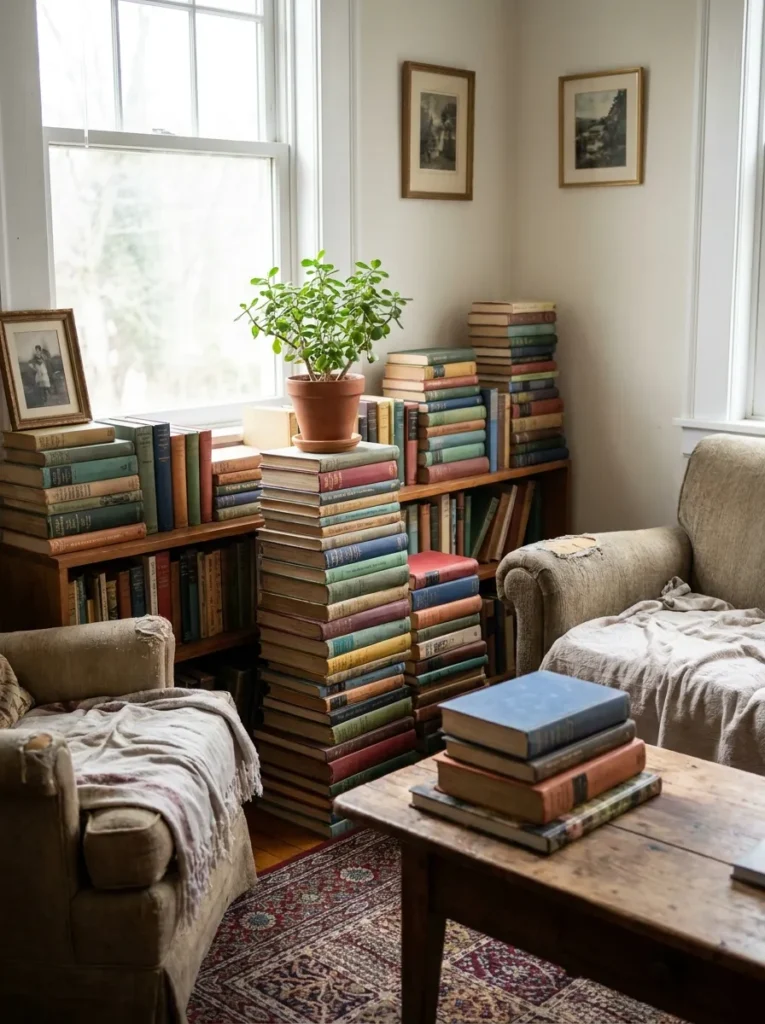
Books are the ultimate maximalist hack: color, texture, height — and you already own them. Stack them to elevate a lamp, line the mantel, group by color for a rainbow effect. Shopping your own home beats shopping, period.
11. Mix Eras Fearlessly
The budget mistake is trying to make everything match. Do the opposite: boxy modern sofa + curvy 70s thrifted side table, sleek lamp + ornate Victorian mirror. The tension between old and new, cheap and antique, is exactly what reads as high-end.
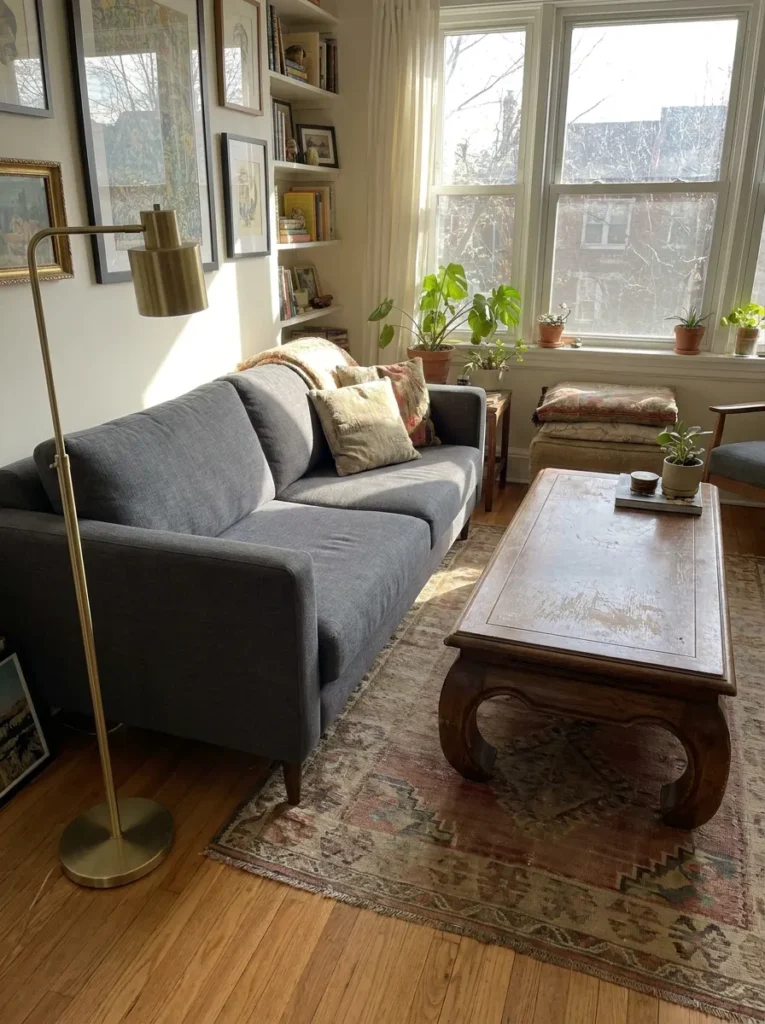
Save vs. Spend
Save on: accessories, side tables, frames, throw pillows, small lamps — thrift and DIY territory.
Spend on: sofa, area rug, main light fixture, window treatments — the pieces you touch daily. Solid foundations let the cheap layers evolve around them.
Where to Hunt
Thrift stores, estate sales, flea markets, Facebook Marketplace, antique malls, charity shops. Look for unusual shapes, solid wood, brass, colorful glass, vintage books, original art — never matching sets.
Love this look with bolder color? Our colorful maximalist guide and vintage maximalist guide go deeper.
Quick Answers
Can I do maximalism on a $300 budget?
Yes — paint ($40–80), thrifted frames and art ($20–100), pillow covers and a throw ($40–80), plants ($30–50), and layered rugs ($60–180) get you a transformed room for $200–$400.
How do I keep maximalism from looking cluttered?
Group objects on trays and book stacks instead of scattering them, and build in layers (paint → rugs → textiles → art → objects) rather than all at once.
Where is the best place to find cheap maximalist decor?
Thrift stores and estate sales first, Facebook Marketplace second. The whole style is built on collected-over-time pieces — which is exactly what secondhand gives you.
Affiliate Disclosure: As an Amazon Associate, I earn from qualifying purchases. If you click a link and buy, I may receive a small commission at no extra cost to you. Thank you for supporting my content!